 Linguistic
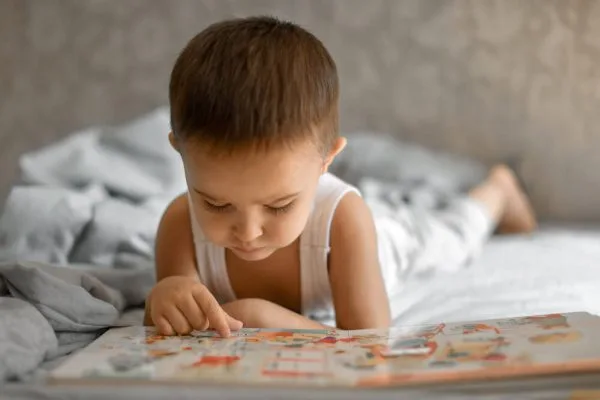
My 2-Year-Old Is Not Talking! Is It Normal?
As parents, it’s common to have questions about our children’s development. One question we often hear is, ‘My 2-year-old child is not talking, is it
 Linguistic
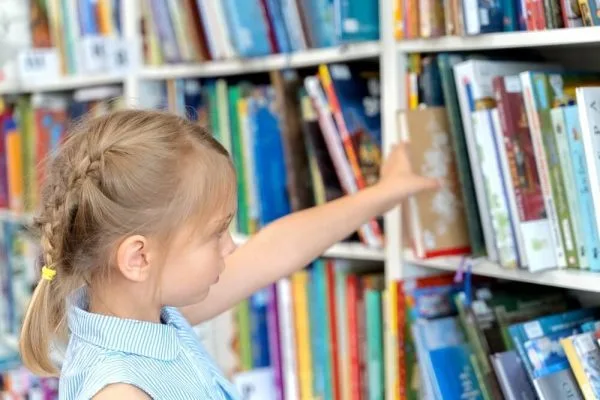
Reading Corner: Creating an Inviting Environment in The Classroom
A reading corner is a space dedicated to developing and fostering love for books and the habit of reading. Reading plays a fundamental role in the cog
 Linguistic
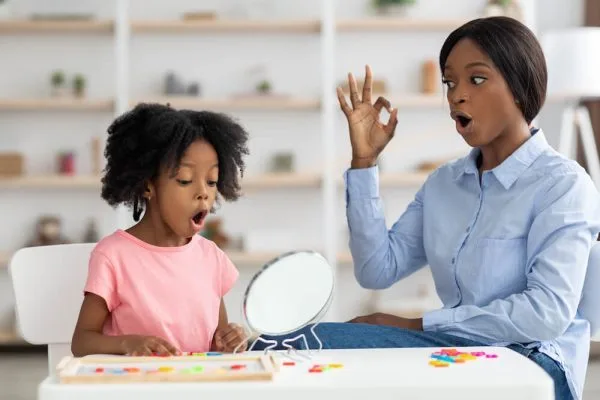
Childhood Apraxia of Speech (CAS): What It Is, Symptoms, Diagnosis, and Treatments
Childhood apraxia of speech (CAS) is a disorder that affects a child’s ability to sequence the necessary movements to produce speech sounds. It’s impo
 Linguistic
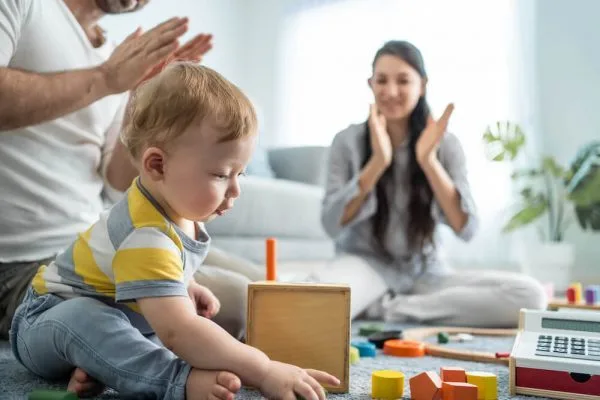
My Baby Ignores Me When I Call His Name!
“I’m worried! My baby ignores me when I call his name!”. Do you have this concern? Keep reading to find out why this might be happening and how to hel
 Linguistic
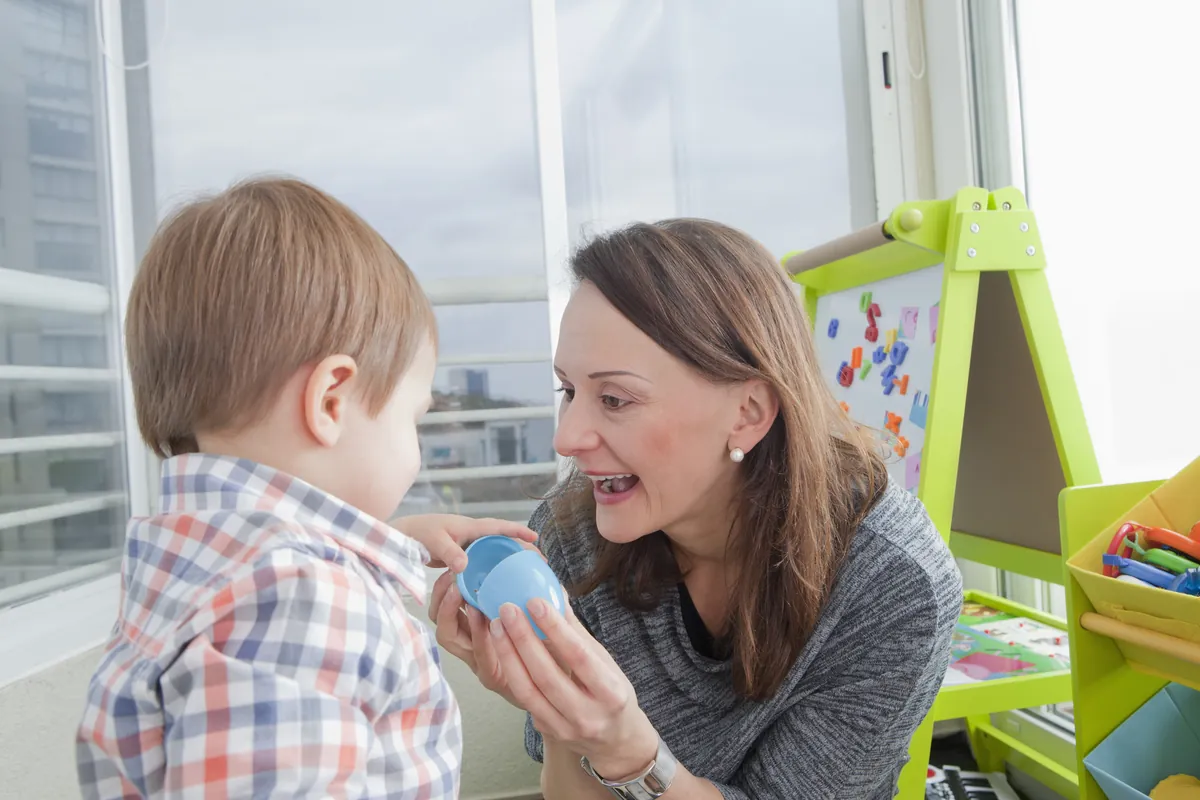
How Do I Know If My Child Has a Language Delay?
Language delay has become one of the most concerning topics for today’s parents. And thanks to technology and a everything-must-be-shared culture, we
 Linguistic
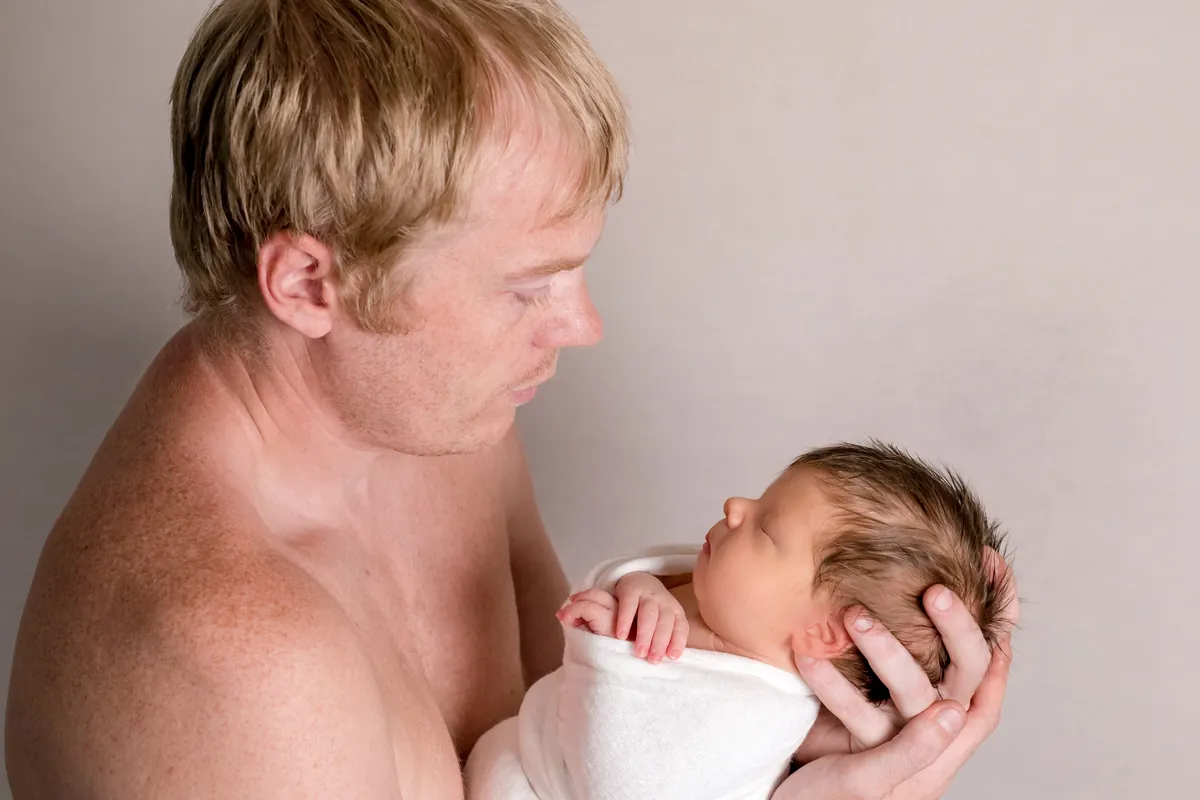
When Do Babies Babble And How To Encourage It
Babbling is an important stage of your baby’s language development. Would you like to know when do babies babble and what are some habits to encourage
 Linguistic
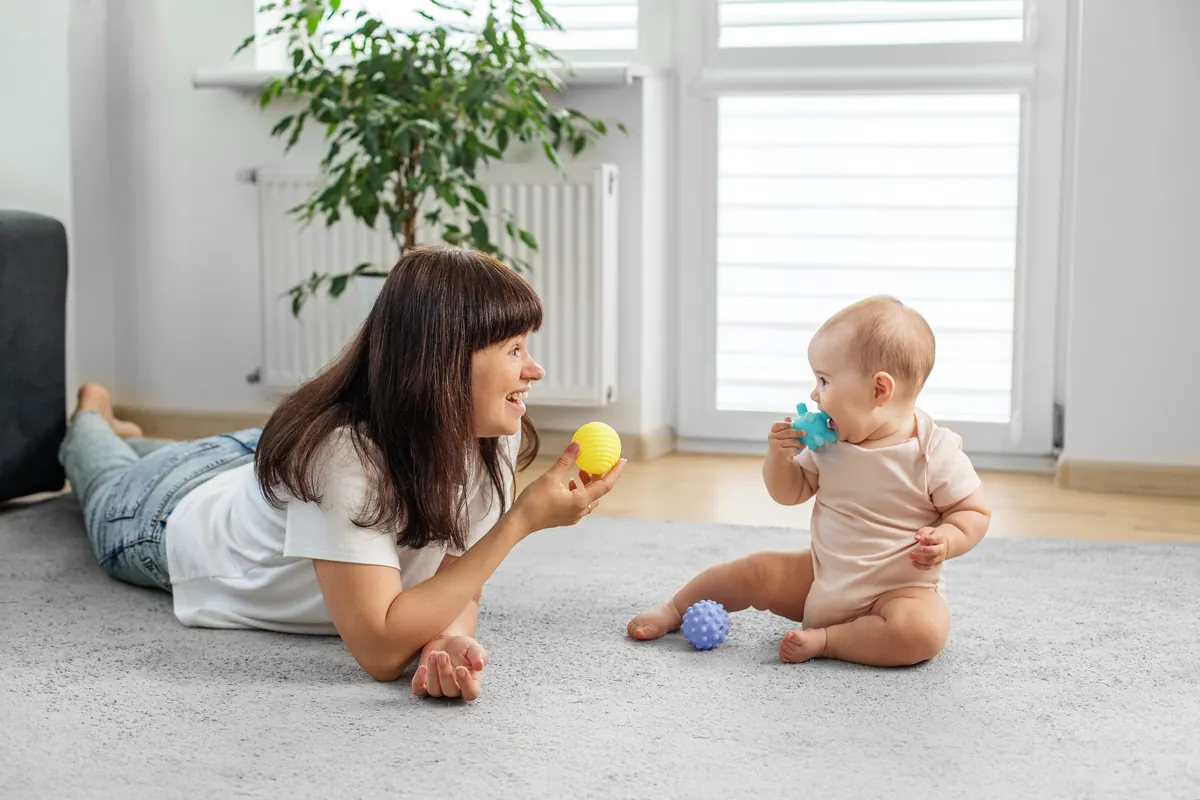
Premature Birth: Signs And Risk Factors
Prematurity may be more common than you might think. Knowing the risk factors and some signs of premature birth can help prevent it. Although not an i
 Linguistic
When Do Babies Recognize Their Name?
When do babies recognize their name? Learn when and how to help your baby develop critical receptive language skills from day one! From the moment you
 Linguistic
5 questions to ask your pediatrician
When you bring your baby home from the hospital, you have dozens of questions, so you call your pediatrician. A lot. As your child grows, you begin to
 Linguistic
Raising bilingual children: how-to and benefits
Have you heard about the great benefits of learning more than one language and you would like to know more about the subject? In this article, we will
 Linguistic
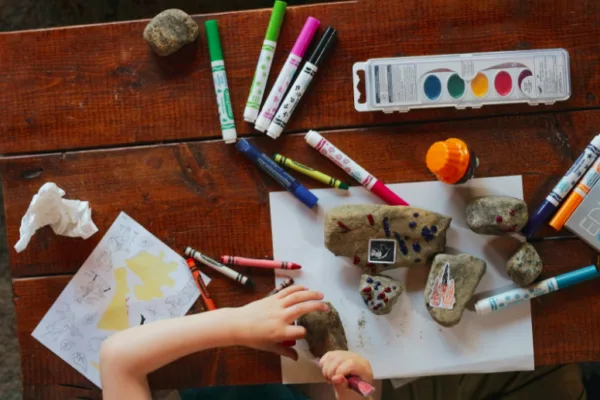
Making home speech therapy activities fun! | BetterSpeech
If you’re working with a speech pathologist to help improve your child’s speech, language, or communication development, it’s important to practice th
 Linguistic
How to encourage your baby to talk
Key points:1. Speech development strategies:0 to 12 months: Narrate daily activities, make interactions fun, give praise.8 to 14 months: Choose a topi
 Linguistic
A speechy quarantine
Here are what I’m calling my quarantine-4: my top speechy activities for passing the days with your little friend in tow at home! 1) Stations Introduc
 Linguistic
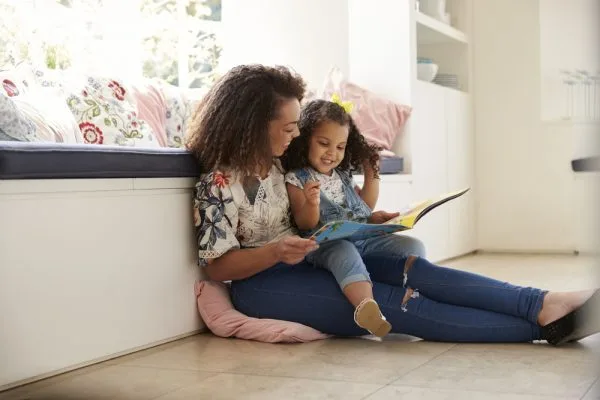
5 love books for children
Key points:Book recommendations for Valentine’s Day: Todd Parr’s “”The I Love You Book.”” Anna Dewdney’s “”Llama Llama I Love You.”” L
 Linguistic
Rhymes and tongue twisters
Key points: Babies learn language from listening to people around them, and as they get older, they start to comprehend and express themselves verball
 Linguistic
A speechy start to solids
Introducing solids to a baby is very exciting. And since we use the same parts of our mouth for eating and for talking, why not work on both of them a
 Linguistic
Pronunciation in your little one Part 2
Key points:1. Consonant pronunciation development is crucial for speech and academic success.2. Alveolar consonants (t, d, n) are among the first soun
 Linguistic
Pronunciation in your little one Part 1
Key points:1. Phonology is the study of speech and word sounds in a child’s language development.2. It’s a cognitive skill crucial for academic succes
 Linguistic
Is it ok if my child makes grammar mistakes?
Key points: Language development in early childhood involves exposure to language and the natural emergence of grammar rules. Overregularization is th
 Linguistic
The benefits of “toy talk”
Key points: “Toy talk” is a new technique proposed by the University of Illinois to improve language skills in children. Toy talk consists of modeling
 Linguistic
Language skills: Grammar
Key points: Grammar development starts at a young age and is crucial in helping children express their ideas clearly. Exposure to language is key in d
 Linguistic
8 activities to improve pronunciation
Key points: Language development begins early and involves mastering sounds. Encourage clear pronunciation through fun activities and examples. Bingo,
 Linguistic
Sign language: Teaching my child to communicate with his hands
Key points: 1. Baby sign language encourages early communication. 2. It reduces frustration and supports language development. 3. Start with simple, m
 Linguistic
How to foster your child’s problem-solving skills through gestures
Key points:1. Children understand concepts like big and small and start grasping numbers and spatial prepositions.2. Gestures play a role in how child
 Linguistic
How gestures impact your child’s learning process
Key points:1. Babies start communicating through gestures around 5 months.2. Gestures facilitate learning by regulating children’s attention and provi
 Linguistic
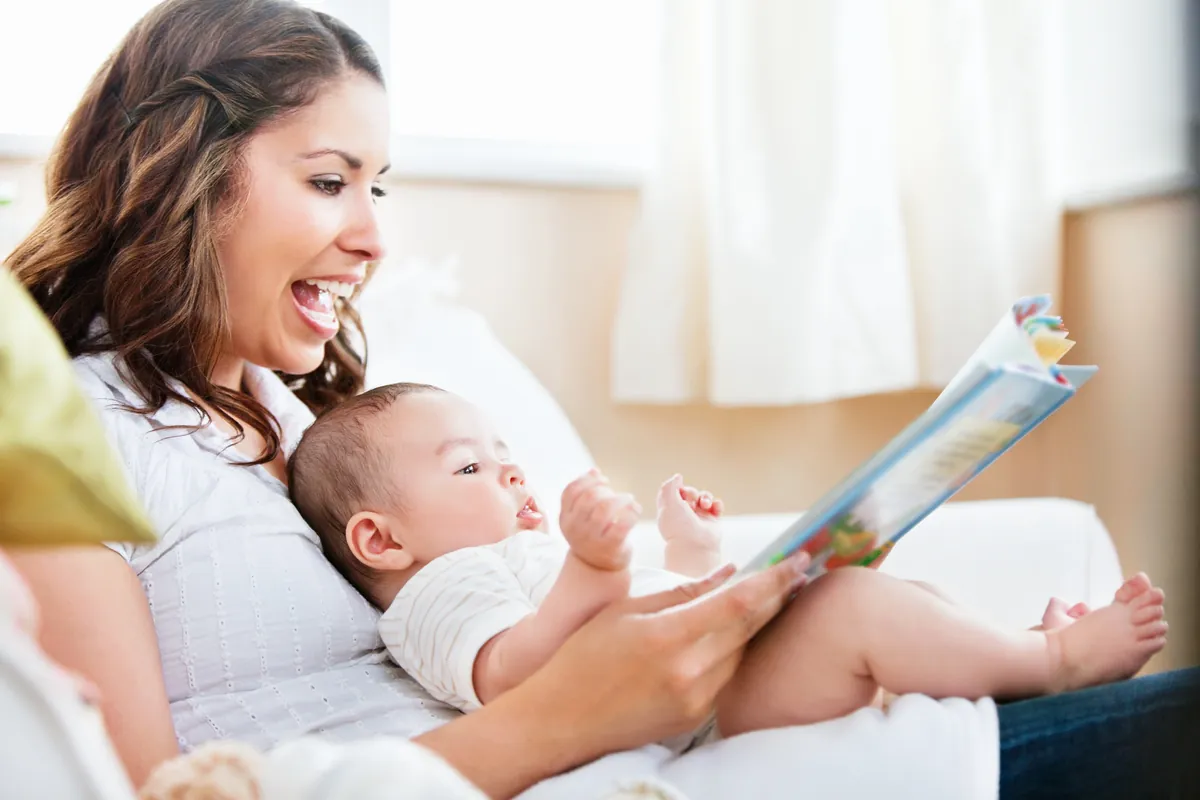
How is your baby’s talking timeline?
Key points:1. Children’s language development progresses in distinct stages during the first few years.2. Babies start with vowel and guttural sounds,
 Linguistic
Conversational skills are linked to future cognitive outcomes
Key points: Conversational turn-taking is crucial for language development in children between 18 and 24 months. Children engaged in conversations dur
 Linguistic
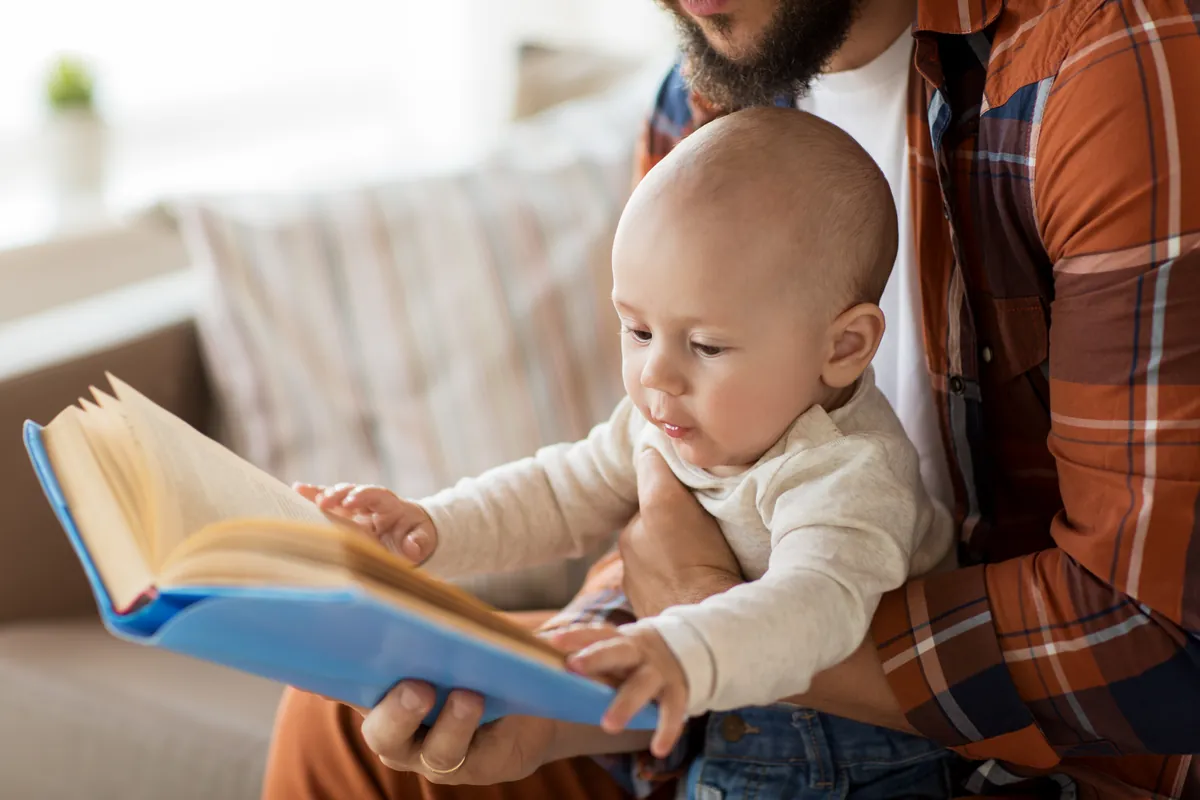
What building blocks ensure future reading success?
Key points: 1. Literacy involves more than just reading; it includes writing, learning, comprehension, and spelling. 2. Early literacy development sta
 Linguistic
Wintry activities for your little one
Key points: Reading winter-themed books with touch and feel elements is a great way to expose 1-2 year olds to the season. Activities for this age gro
 Linguistic
Get speechy this fall with these activities!
Key points: Nature walks are a fun way to get children to practice mindfulness and observe their surroundings, and can be turned into a scavenger hunt
 Linguistic
Are you talking to me?
Key points: MIT’s research supports the idea that back-and-forth conversation with parents helps foster children’s communication skills and brain resp
 Linguistic
The influence of attention and caregiver-input on language development
Key points: 1. Environment and attentional abilities impact language development. 2. Attentional abilities progress from face-to-face to including obj
 Linguistic
Top 5 traveling tips
Key points: 1. Limit screen time for kids (2-5 years). 2. Pack appropriate entertainment for the trip. 3. Engage in word games to boost speech and lan
 Linguistic
Making spring cleaning speechy
Key points: 1. Children’s involvement in household cleaning promotes empathy and social connections. 2. Providing kids with their own cleaning tools m
 Linguistic
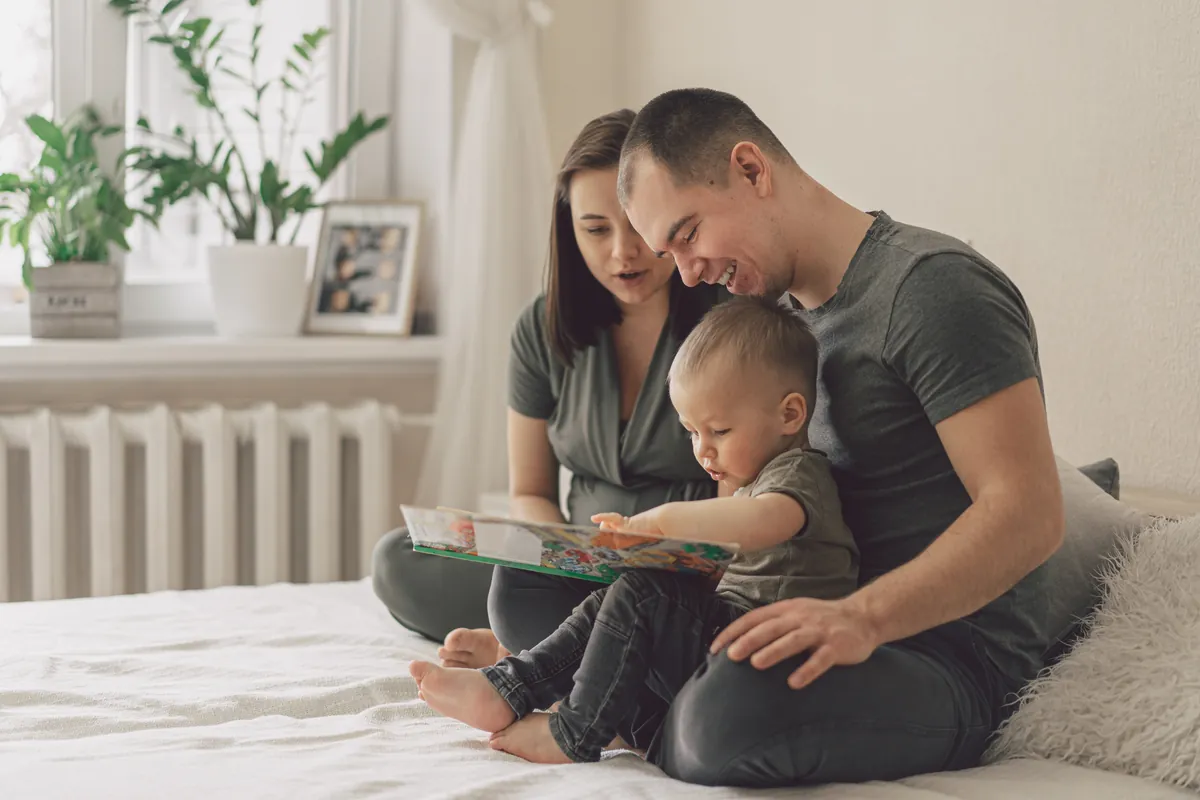
How to help your little one love storytime?
Key points: Begin reading to your baby early with short and simple books, focusing on one concept at a time to match their level of understanding. Cho
 Linguistic
The special power of rhymes
Key points:1. Nursery rhymes prepare children for learning to read by teaching phonemes and spelling.2. Phonological awareness is the first step in re
 Linguistic
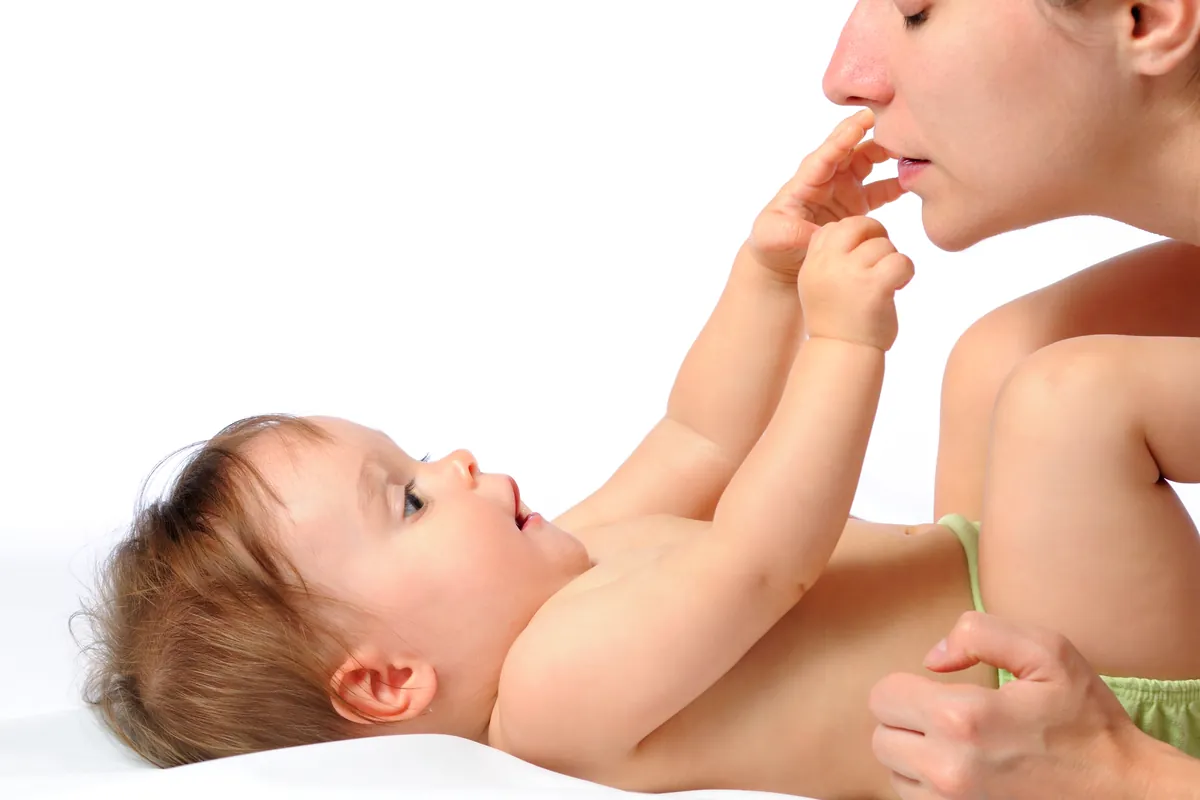
How can I help my child learn the names of the body parts?
Key points: Children around 36 months start using more advanced vocabulary. They name smaller body parts like eyebrows, nails, and knees. Expose them
 Linguistic
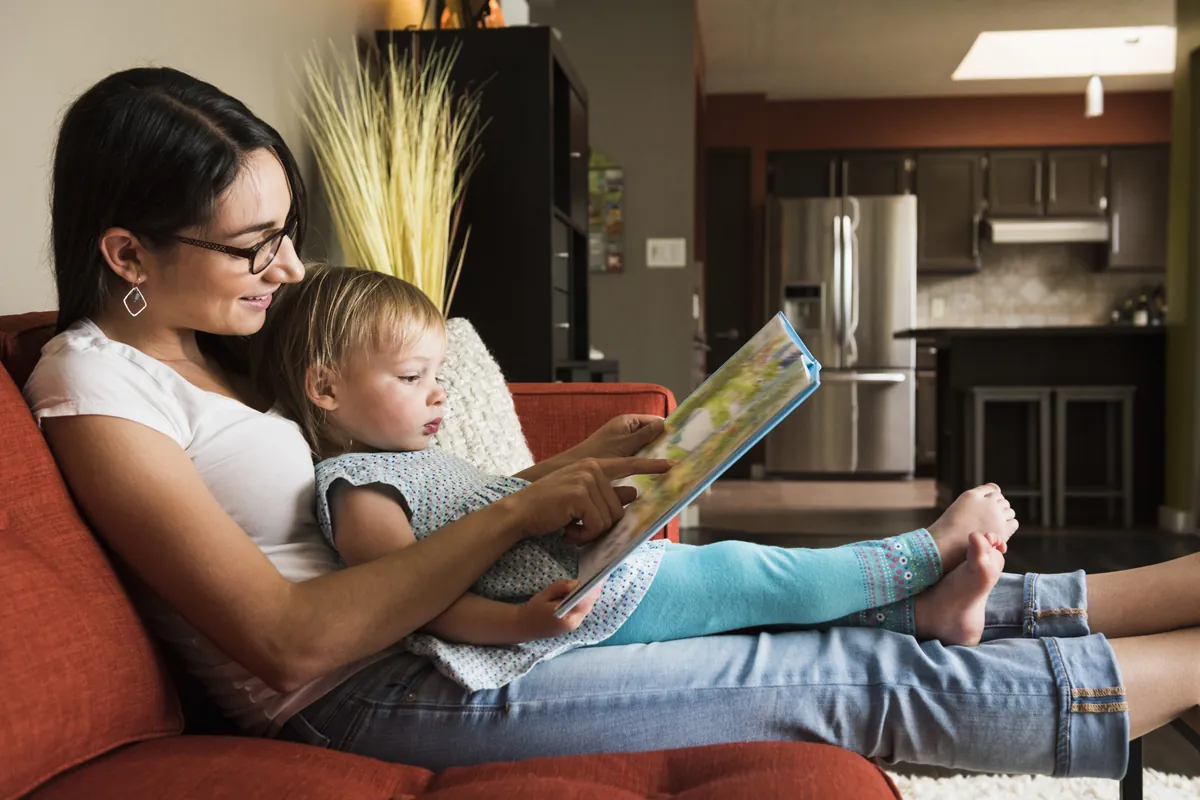
How to incorporate reading into your toddler’s daily routine
Key points:1. Reading with your preschooler promotes language development and bonding.2. Choose a suitable time for reading, like bedtime, to unwind a
 Linguistic
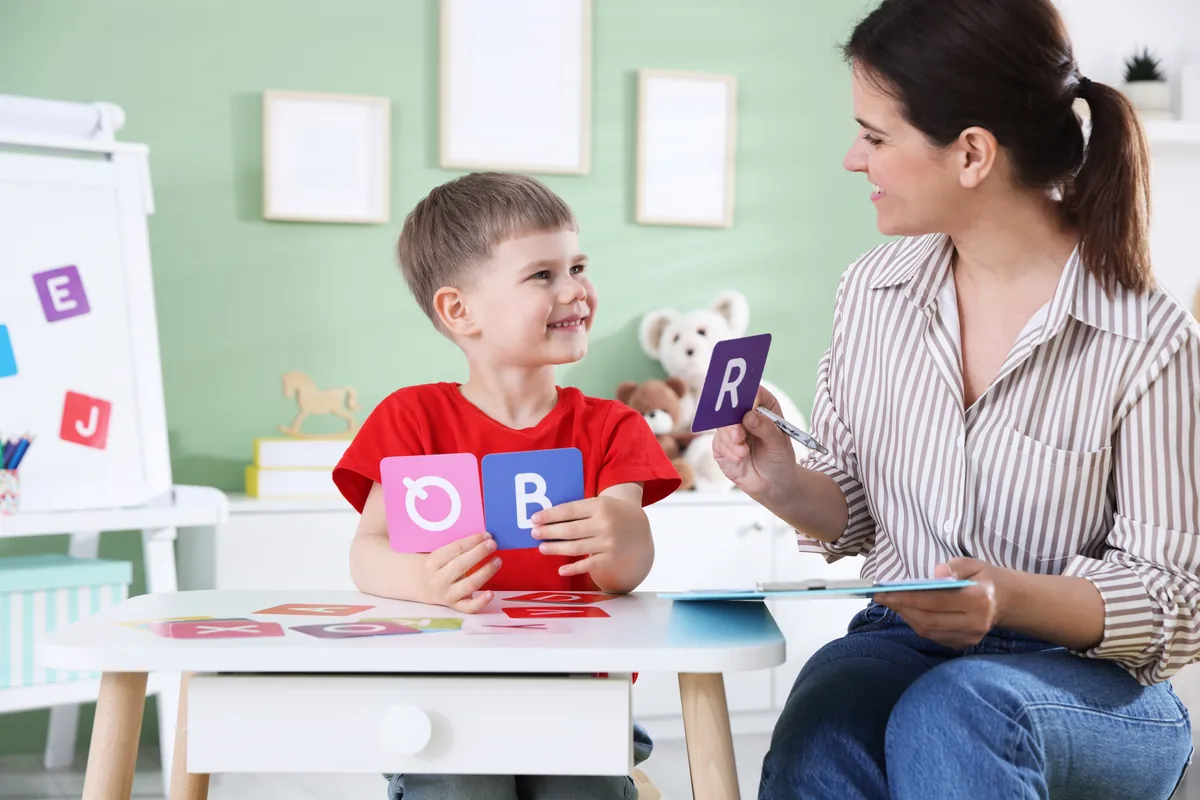
The speech teacher’s top 5 language boosting tips for your little one
Key Points: 1. Create opportunities for interaction with your child by placing desired items out of their reach, encouraging identification of everyda
 Linguistic
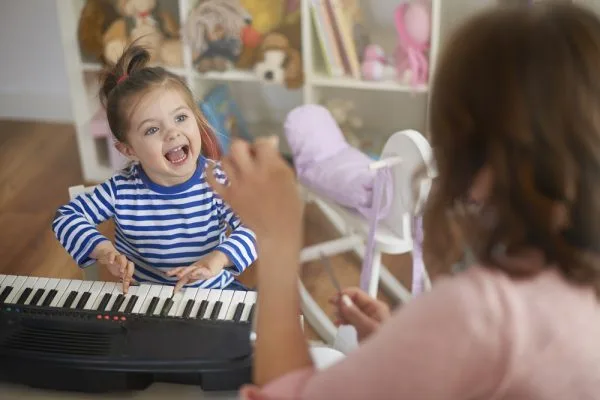
How does music boost language development?
Key points: 1. Singing to infants, like lullabies and nursery rhymes, is a vital part of language development, preparing them for language acquisition
 Linguistic
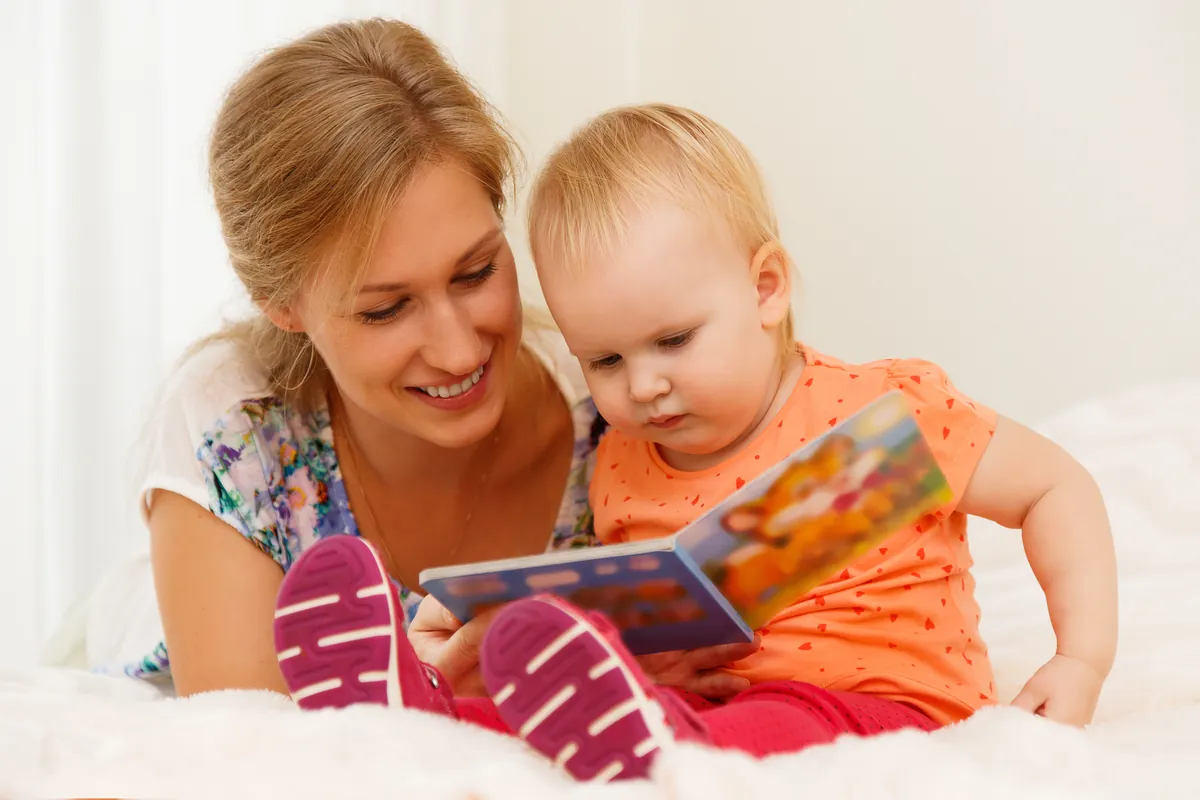
The best way to read with your 2-year-old
Including reading time in your daily routine not only boosts your kid’s language development, but it provides special one-on-one quality time that str
 Linguistic
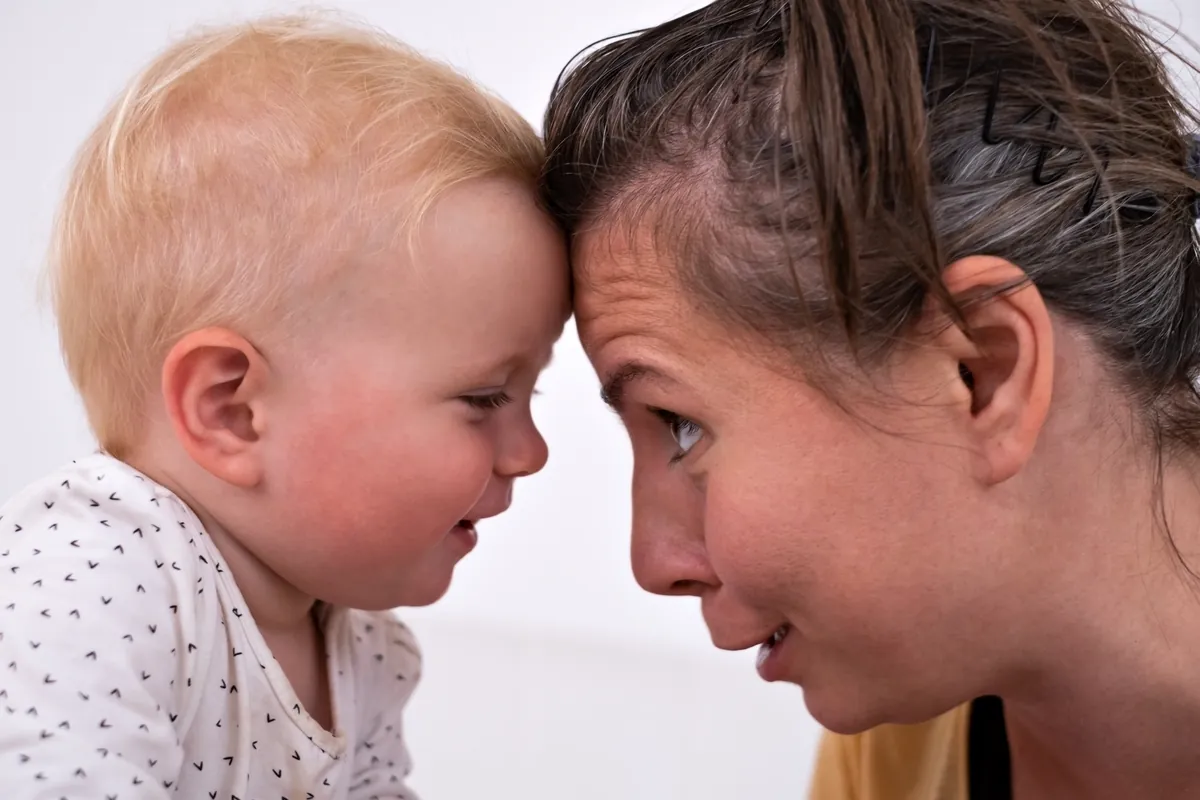
What’s the importance of baby-talk?
Why do, all of a sudden, adults become fluent in “motherese” or baby-talk when there’s a baby in the proximity? Key Points: 1. Baby-talk, characterize
 Linguistic
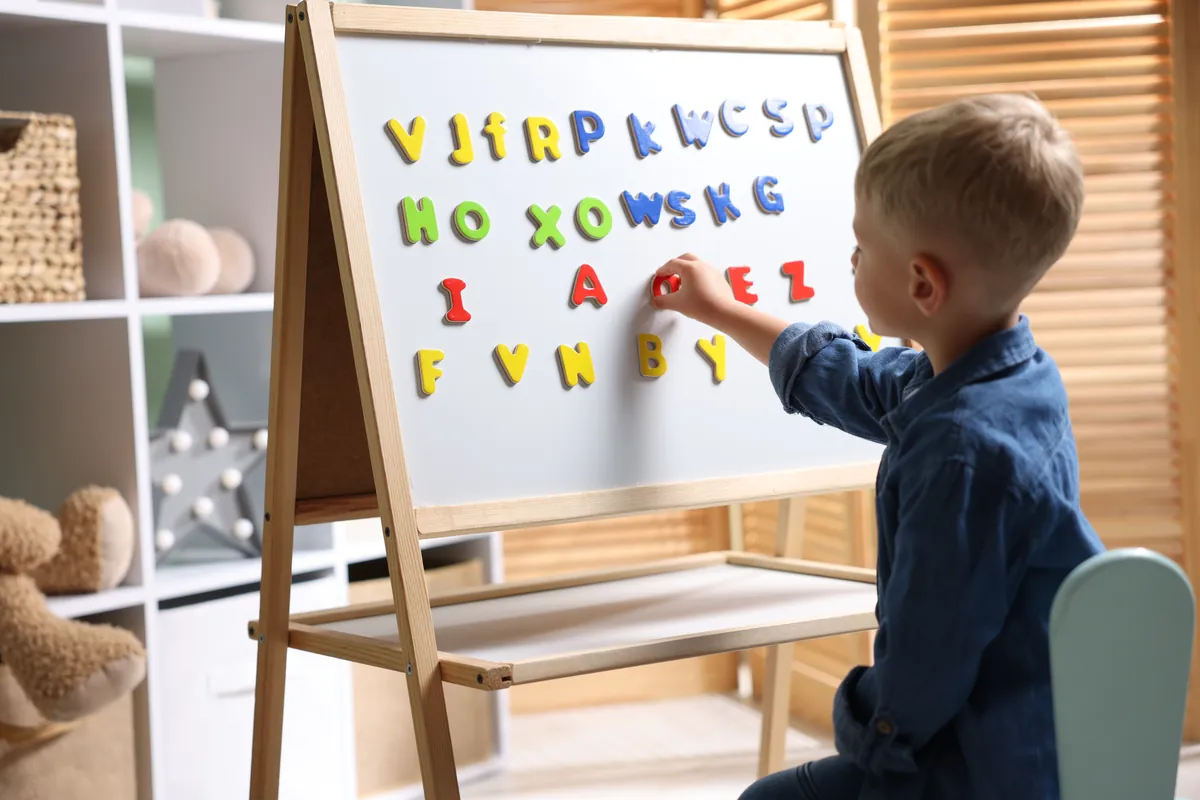
My baby’s first words
Key points:1. Babies learn to talk through imitation and association.2. A baby’s first words, like “mama” or “dada,” start as babbling sounds.3. To st
 Linguistic
How to ignite bilingual learning
Key points: 1. Babies can learn a second language with a play-based program in just one hour per day. 2. Bilingualism enhances cognitive skills, espec
 Linguistic
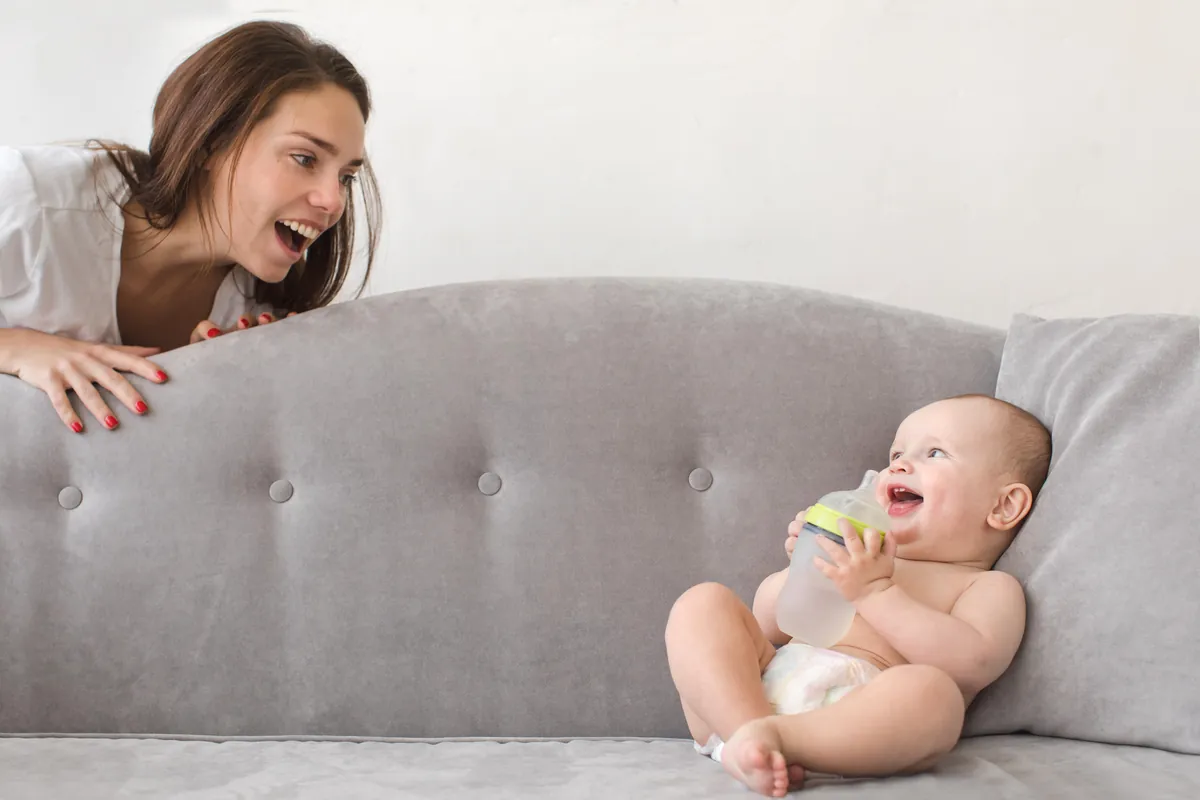
When does language development start?
Key points: 1. Language learning begins in the womb, impacting how babies perceive sounds and languages. 2. Newborns recognize and prefer voices and r
 Linguistic
How do babies’ first words come about?
Key points: Researchers at Indiana University and the Georgia Institute of Technology have discovered that a toddler’s visual experience may play a cr
 Linguistic
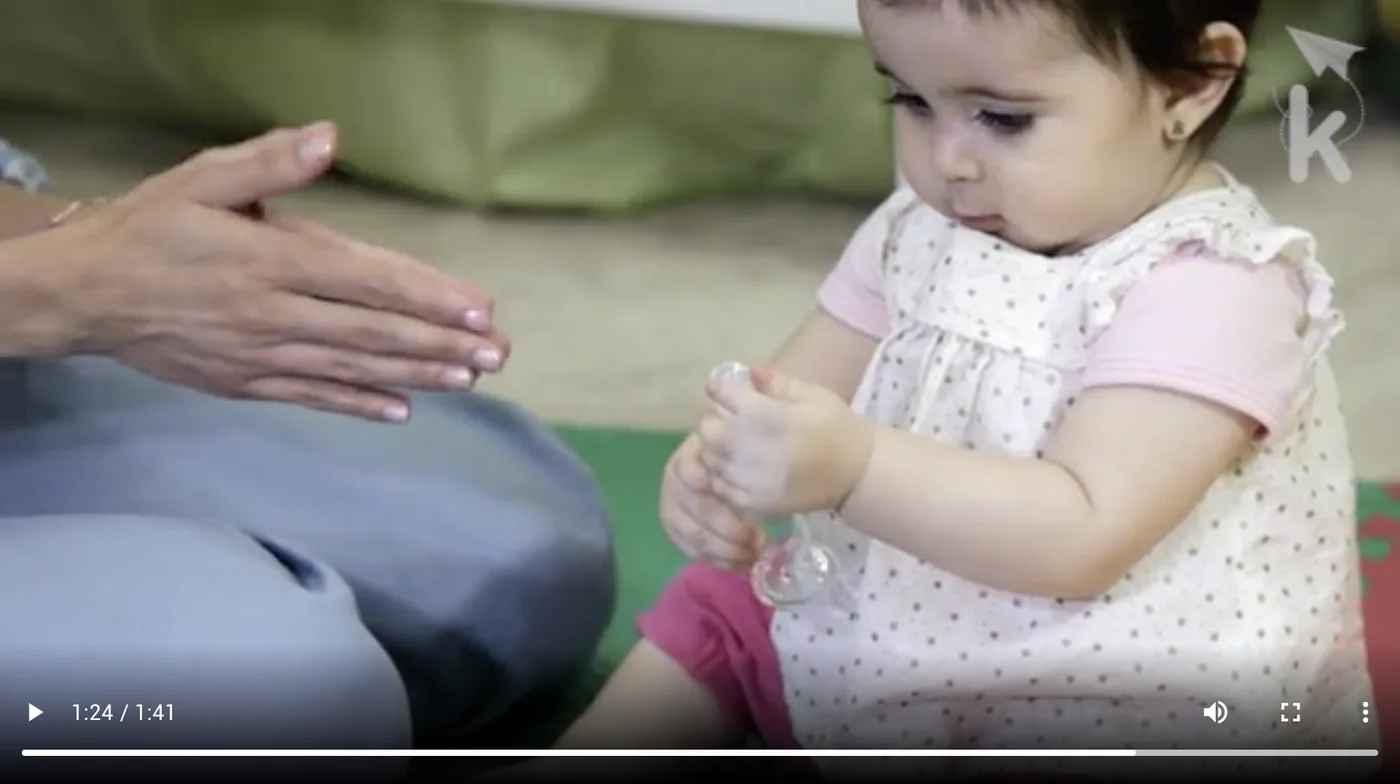
Can background noise hinder a toddler’s ability to learn new words?
Key points: 1. Excessive background noise at home or school can hinder toddlers’ ability to learn new words. 2. Research by Brianna McMillan and Jenny
 Linguistic
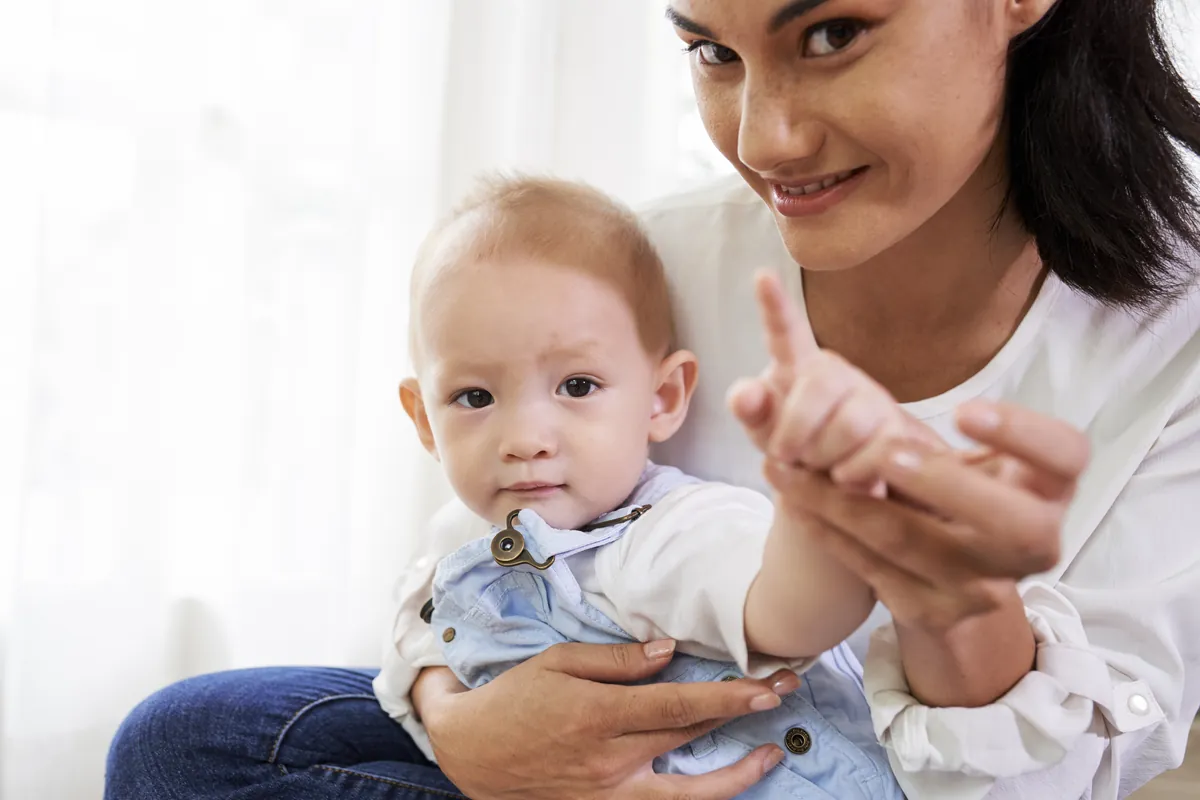
How can I use baby sign language with my baby?
If you have been paying close attention to your baby, you have probably noticed that before they can even talk, they have been trying to communicate w
 Linguistic
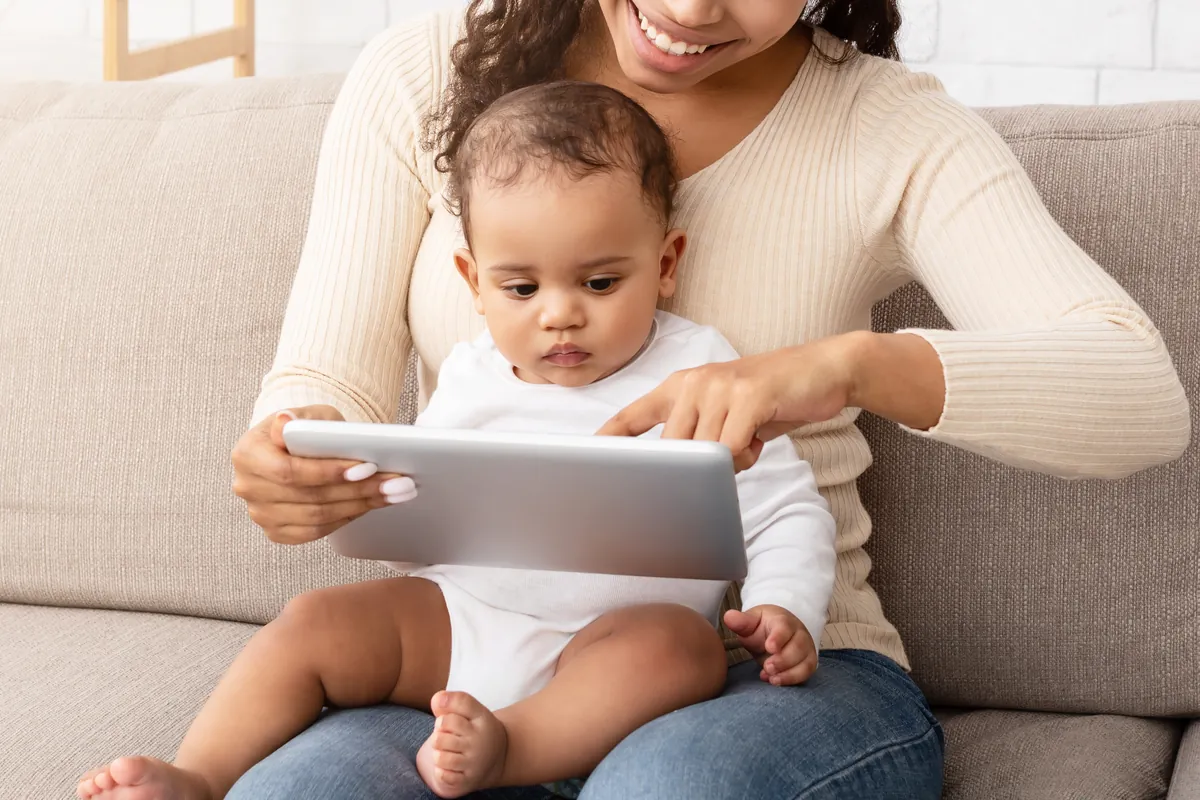
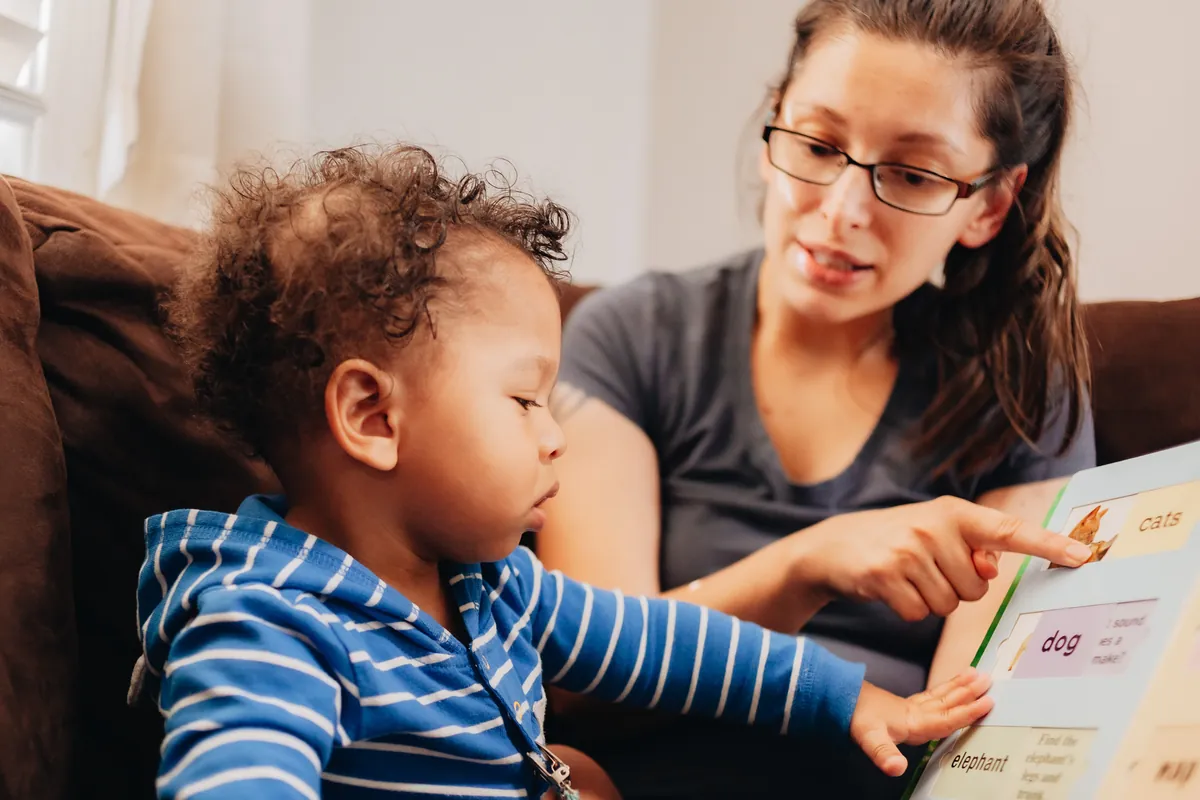
How should I use technology with my baby?
It’s the 21st century and technology is all around us! In fact, technology is what is allowing me to write this and you to read it. So yes! Technology
 Linguistic
What are the benefits of being bilingual?
Key points: 1. Learning multiple languages enhances social and cognitive development in children. 2. Children who are bilingual often excel in cogniti
 Linguistic
How ‘gaze shifting’ helps babies learn new languages
Key points: Babies learn new languages best through social interaction rather than audio or video. A study by the Institute for Learning & Brain Scien
 Linguistic
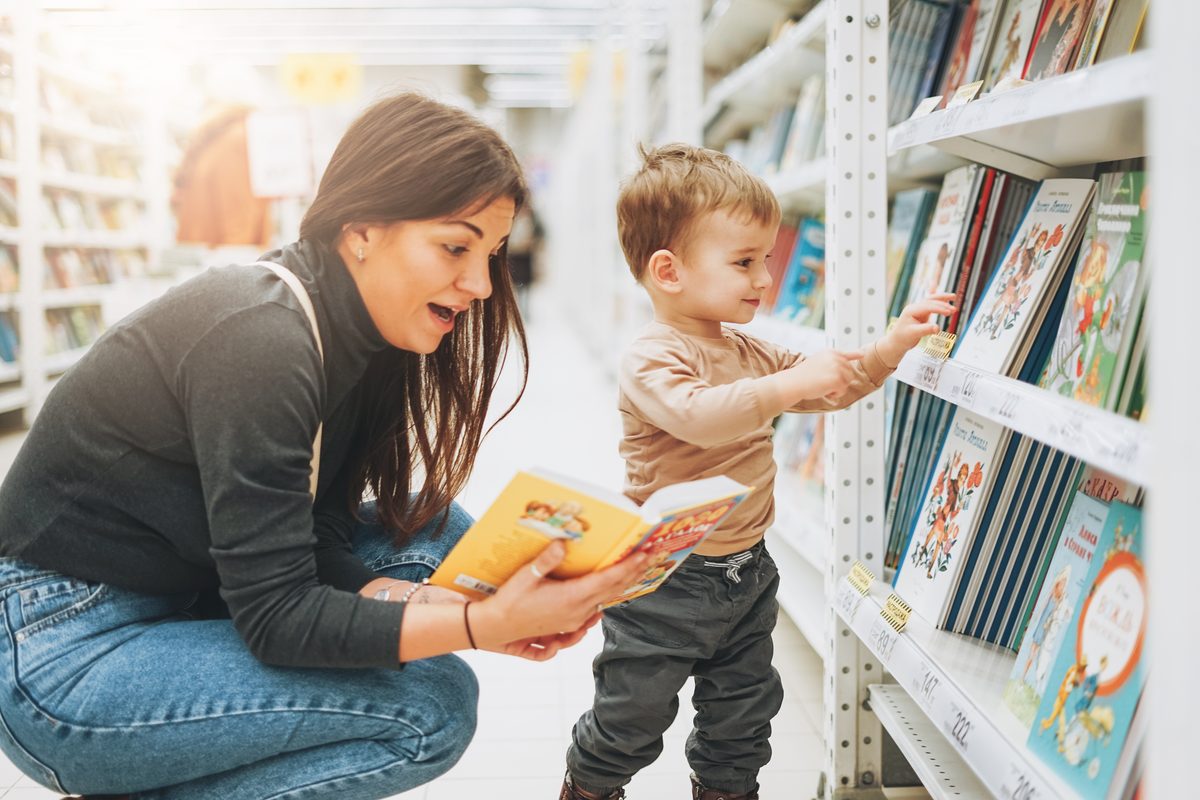
How to choose the right books for your baby
Key Points: Reading with your baby can significantly improve their language skills and strengthen the emotional bond between parent and child. Reading
 Linguistic
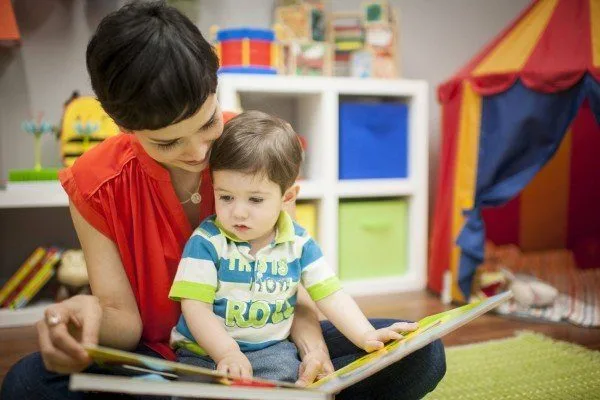
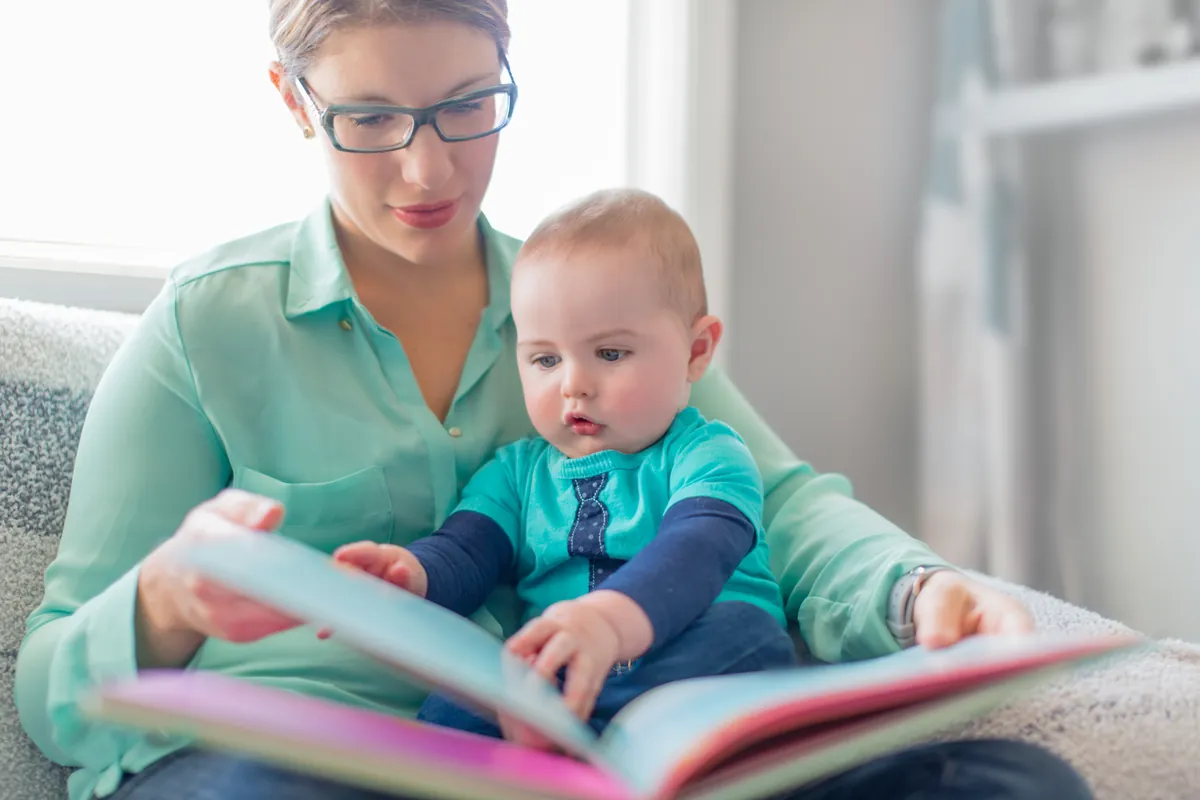
How to read with a 1-year-old
Key points: Start reading with your baby early, making it a daily habit. Respect your baby’s preferences; don’t force reading if they resist. Adapt re
 Linguistic
When to start reading to a baby
Key points: 1. Reading daily fosters a strong parent-child bond and prepares children for kindergarten. 2. Babies, even very young ones, absorb inform
 Linguistic
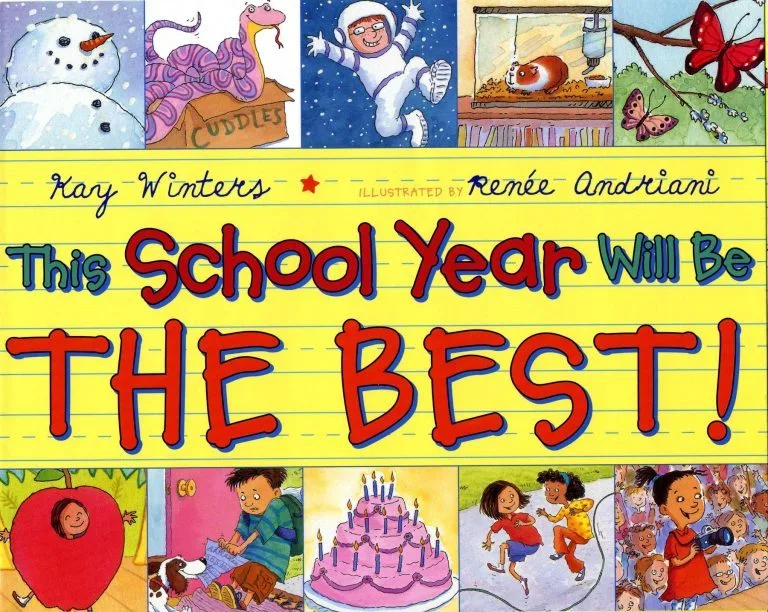
2 books recomendations about temper tantrums
Key points: 1. Tantrums are common in toddlers aged 1 to 3 as they can’t express feelings through words yet. 2. Stay calm and set a good example when
 Linguistic
How to raise a reader
Key points: 1. Reading for pleasure boosts literacy skills, vocabulary, self-confidence, and knowledge in children. 2. Reading books to your child is
 Linguistic
How hand gestures impact your child’s language development
Key points: Hand gestures are natural and prevalent in communication across different cultures and are important in language development, as children
 Linguistic
2 books recommendations about self-control
Key points: 1. Reading to your child daily is highly beneficial for their brain, language, social skills, and self-control. 2. Books help children und
 Linguistic
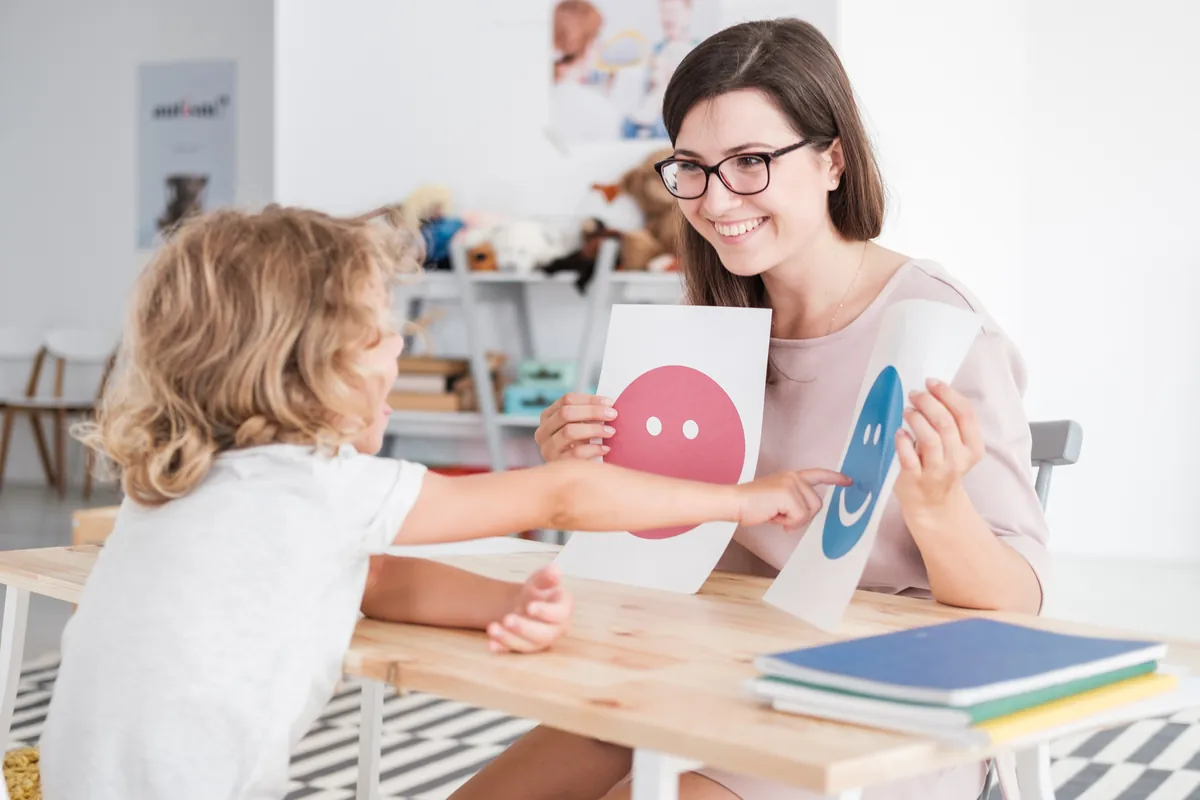
How to teach emotional intelligence
Key points: 1. Books are effective tools to help children identify and understand different emotions. 2. Babies are born with various emotions, and th
 Linguistic
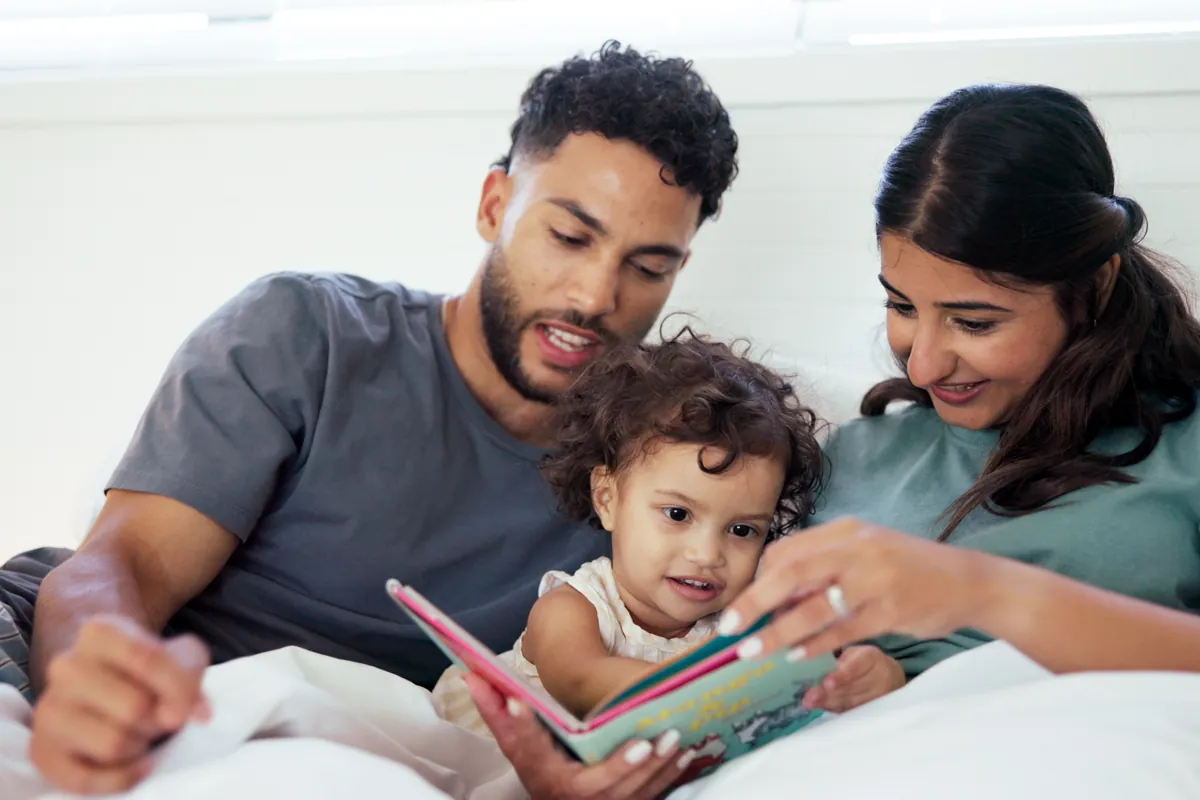
What are the benefits of reading to babies?
Key points: 1. Reading aloud with children has numerous benefits for brain development, language skills, and social skills. 2. Daily reading builds a
 Linguistic
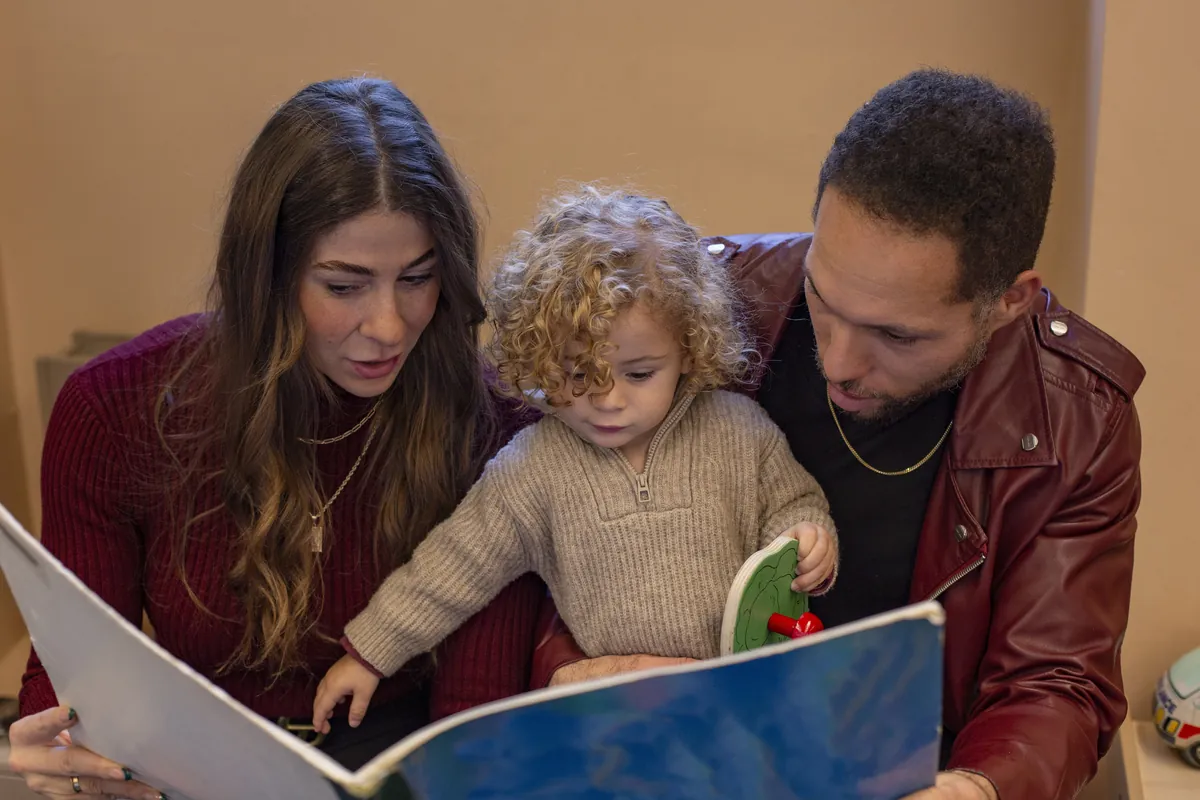
How parental engagement promotes language development
Key points: The first years of life are crucial for brain development due to the brain’s high malleability. “Serve and return” interactions between ad
 Linguistic
Linguistic development in early childhood
Key points: Baby’s language development begins before first words. First attempts at language include cries, coos, and babbling. First words typically
 Linguistic
How do children learn to speak?
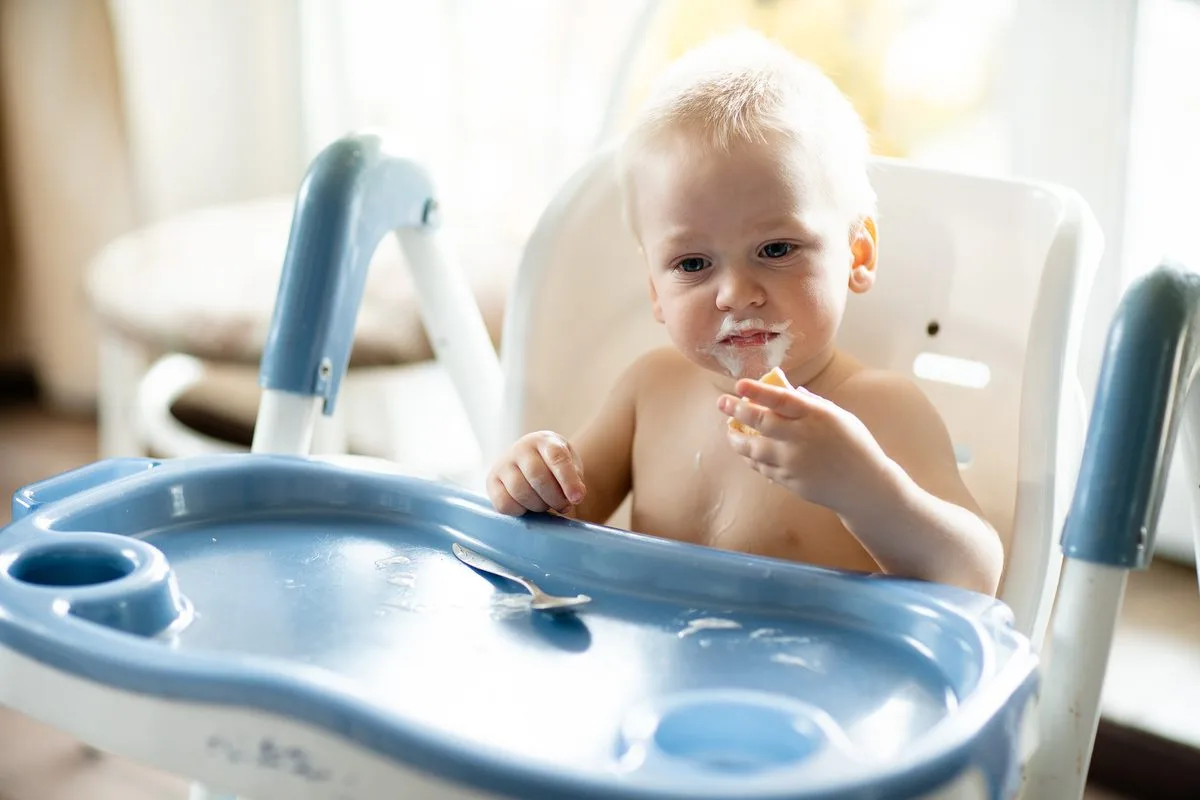
Language acquisition is a complex process involving cognitive and physical development. Phonemes are units of speech sounds in every language. Children…
 Linguistic
Choosing the right books for your preschooler
Reading with your preschooler enhances their language skills and strengthens your emotional connection. Choose books with attractive illustrations, favorite…
LinguisticThe best way to read with your 3-year-old
1. Reading with preschoolers builds vocabulary and strengthens the parent-child bond. 2. Making reading a daily routine, like bedtime, is a great idea. 3. At…
 Linguistic
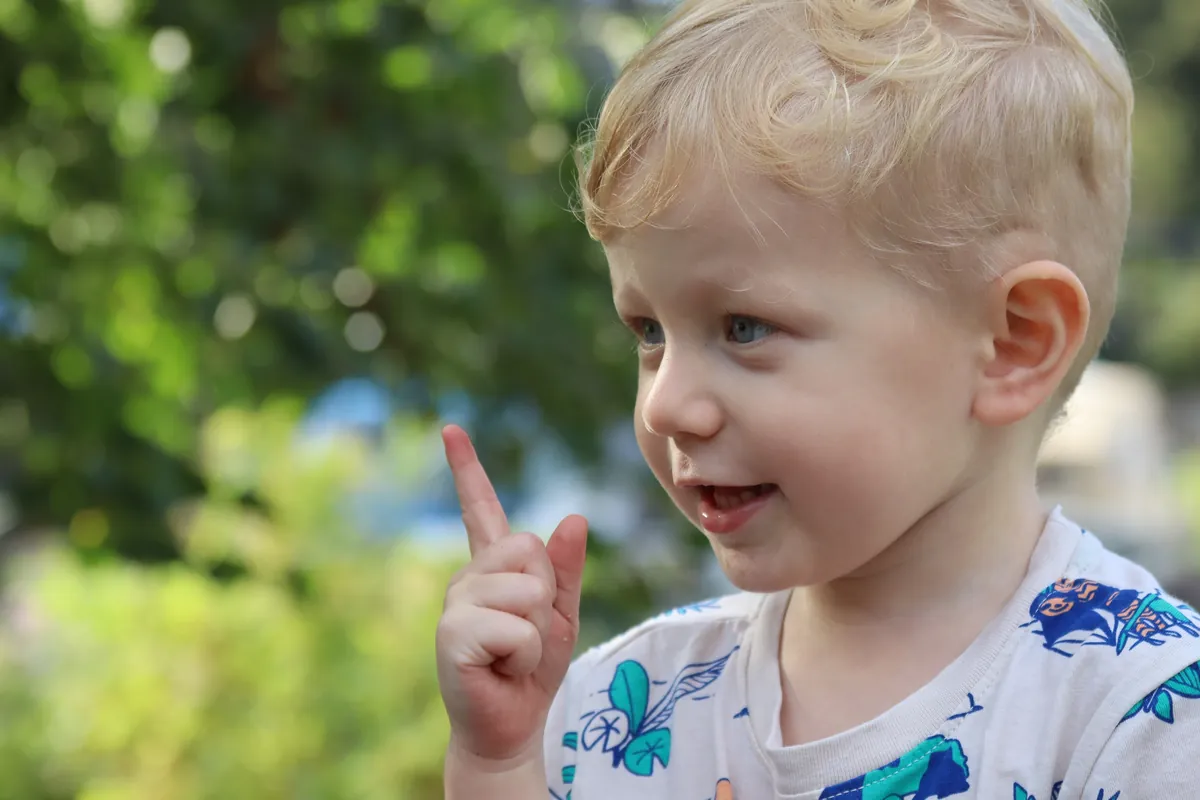
How is my two-year-old's linguistic development?
1. Around age two, children understand and start using more words, forming sentences. 2. Avoid comparing your child's language skills to others of the same…
 Linguistic
How is my three-year-old's linguistic development?
1. Around age three, children have a vocabulary of 300 or more words and can acquire 4-6 words daily. 2. Improved language skills lead to asking more "why,"…
 Linguistic
My little one stutters, should I be concerned?
1. Stuttering in children around age two or three is common and often temporary. 2. Actual stuttering is when it persists for over two to three months and…
 Linguistic
Pattern recognition: The key to language development
1. Children's language development is linked to their ability to recognize patterns. 2. A study with 6 to 8-year-olds found a strong connection between…
 Linguistic
Literacy development: The importance of phonological awareness
1. Phonological awareness is crucial for literacy development in preschoolers. 2. Teach your child the sounds of letters, not just their names. 3. Engage in…
 Linguistic
Receptive language: What your two-year-old really understands
1. A two-year-old's receptive language is developing rapidly, understanding around 200-300 words. 2. Receptive language is the ability to understand words…
 Linguistic
Detecting a language delay
1. Preschool years exhibit significant variation in language development. 2. Talkativeness doesn't equate to intelligence or vocabulary richness. 3. Language…
 Linguistic
Learning the rules of language
1. Children naturally learn language and grammar rules through use. 2. They acquire the specific dialect of those around them. 3. Children use pronouns like…
 Linguistic
5 simple ways to teach communication skills
1. Communication is vital for sharing ideas and feelings. 2. Children develop communication skills rapidly in early years. 3. Listening, asking questions,…
 Linguistic
Language milestones: Speaking in sentences
1. Children's first sentences are a significant milestone in language development. 2. Between 18 and 24 months, they begin forming two-word phrases. 3. By…
 Linguistic
How to encourage my little one's language development
Language skills start developing from birth through everyday interactions with caregivers. Talking with children during daily routines and encouraging them…
 Linguistic
Facts about learning a second language
Children can learn to speak more than one language at the same time, and being bilingual has many advantages such as having a broader vocabulary and better…
 Linguistic
Speech sounds that might be hard to pronounce
Children may have difficulty pronouncing certain sounds as they develop their language skills. Most children learn to pronounce all word sounds correctly by…
 Linguistic
How to help your little one learn new words
A child's vocabulary is directly related to later academic success. By age two, children's vocabulary expands significantly, reaching up to fifty or more…
 Linguistic
Language milestones: learning to use verbs
Children typically begin using verbs or action words in their second year of life, which is an important milestone for language development. There is…
 Linguistic
Why are quality interactions important?
The quality of interactions between parents and children is more important than the number of words children hear for language development. Joint attention,…
 Linguistic
Tips for teaching listening skills
As your preschooler's vocabulary expands, their ability to understand more complex language and longer sentences increases. Getting your child's attention is…
 Linguistic
Language milestones: others can understand what my daughter says!
There was probably a point in which you were the only one that could decipher what your little one was trying to say –it might even have been not so long…
 Linguistic
Do boys' and girls' brains process language differently?
Girls have superior linguistic skills compared to boys. Girls rely on different parts of the brain to complete language tasks compared to boys. Girls' left…
LinguisticTips for having meaningful conversations with your child
Meaningful conversations involve a back and forth exchange between two or more people. Having meaningful conversations with your child builds their…
 Linguistic
Language milestones: learning to use pronouns
Pronouns are words that replace specific nouns and give information about gender or number. There are different types of pronouns, subjective and objective,…
 Linguistic
Language milestones: using plurals
Plural form of a noun indicates that we are talking about more than one person or object. Regular plural involves adding an “s” at the end of a word and…
 Linguistic
Language milestones: answering simple questions
As your child's pronunciation improves, it becomes easier for others to understand them. This milestone is reached gradually and varies for each child. Good…
 Linguistic
Pragmatics: teaching social communication skills
Pragmatics, or social communication rules, are vital for effective language use. Teach them the importance of nonverbal communication and understanding…
 Linguistic
A speechy quarantine
Here are what I’m calling my quarantine-4 : my top speechy activities for passing the days with your little friend in tow at home! 1) Stations Introducing…