Why are quality interactions important?
The quality of interactions between parents and children is more important than the number of words children hear for language development. Joint attention,…
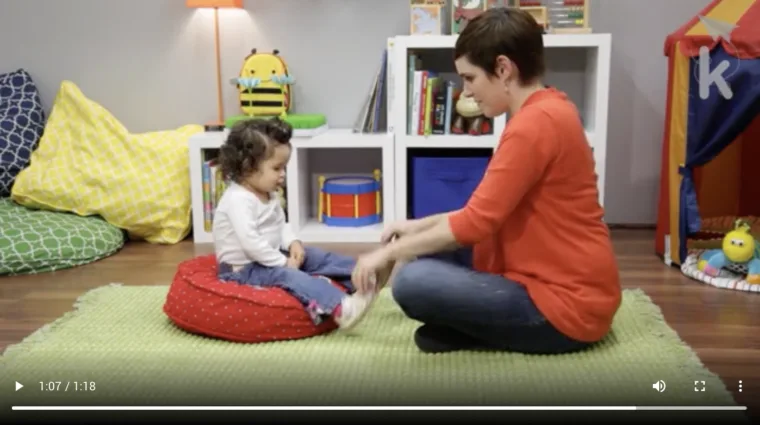
Key points:
- The quality of interactions between parents and children is more important than the number of words children hear for language development.
- Joint attention, when a child and parent pay attention and communicate about the same thing, is important for learning new words.
- Repetitiveness and everyday routines help children learn new words and create a sense of predictability and structure for them.
- Connectedness, where parents connect with their children during interactions by taking turns, listening, and participating equally, motivates children to interact for longer periods of time and is important for language development.
The study, led by Dr. Kathy Kirsh-Pasek of Temple University, looked at 60 low-income families and how the parents interacted with their children when they played or read a book. Researchers watched recordings of 60 mothers playing with their two-year-olds and they counted how many words the little ones heard during the interaction. They then compared those interactions to the children’s language skills when they turned three. They found that the quality of interactions between parents and children mattered more than the number of words they heard.
The children with better language skills had interactions that involved:
- Joint attention. When a child and parent pay attention and communicate about the same thing, they share joint attention. This engagement helps children learn new words because the adult provides the words for the actions and objects they are engrossed with. For example, if you’re playing with a doll and your child points to a bottle, then you can say “Do you think the doll is hungry? Let’s give them the bottle.” And proceed to feed the doll.
- Repetitiveness. Children love repetition. They thrive on routines because they know what to expect, what’s coming next. Everyday routines help them learn new words as well because the repetitiveness makes it easier for them to learn and remember them. You can incorporate routines into your playtime, or have one for bath and bedtime too.
- Connectedness. When parents connect with their children during interactions, they take turns, listen, and participate equally. This motivates children to interact for longer periods of time and therefore gives them a better chance of learning.