 Social & Emotional
How to Spend Quality Time with Your Family
Quality time with family is essential for strengthening emotional bonds and developing social and emotional skills in children. However, we often feel
 Social & Emotional
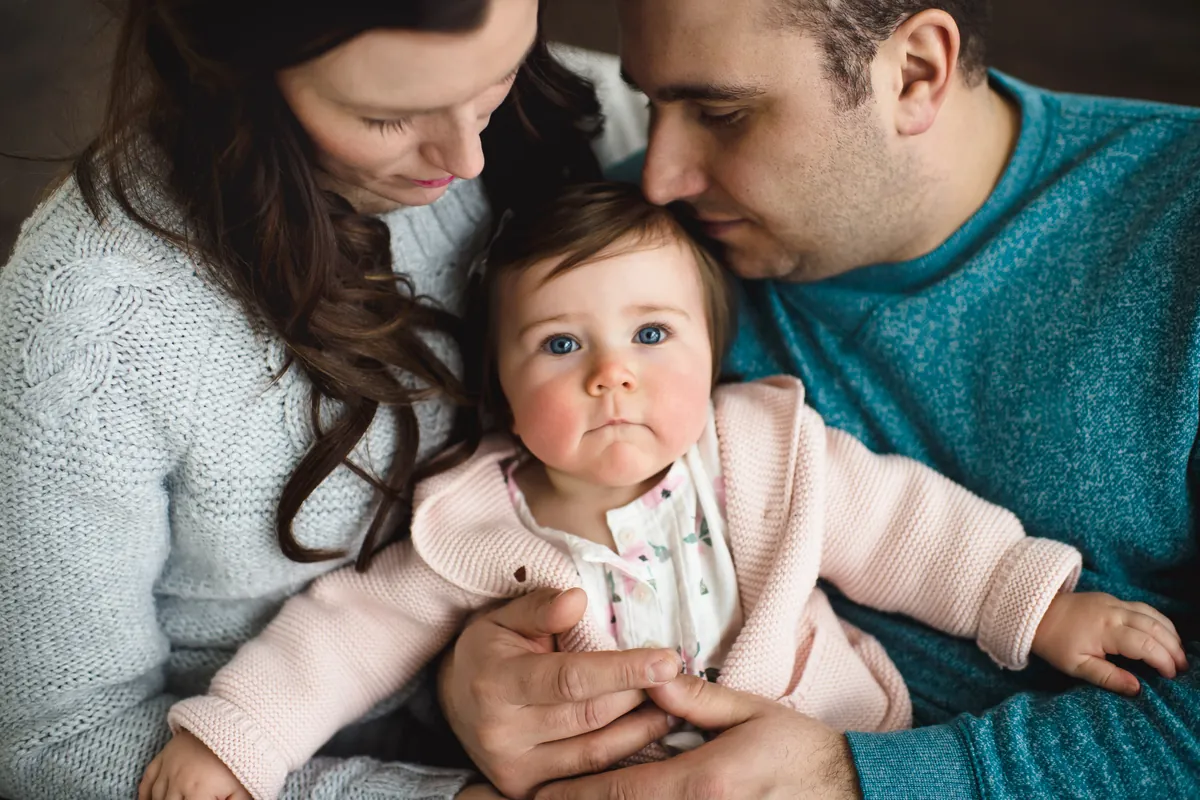
What Constitutes a Functional Family?
Usually, a functional family is a family that promotes the integral development of its members. This means that each member can develop optimally in t
 Social & Emotional
Mental Health in Children and How to Promote it
Mental health in children is extremely important. In addition to taking care of it, we must teach our children to cultivate mental health for themselv
 Social & Emotional
The Baby Fake Cough: Causes and Tips
Dealing with a baby fake cough can be concerning. However, often it is just a way for your baby to communicate with you. Babies are wonderous little b
 Social & Emotional
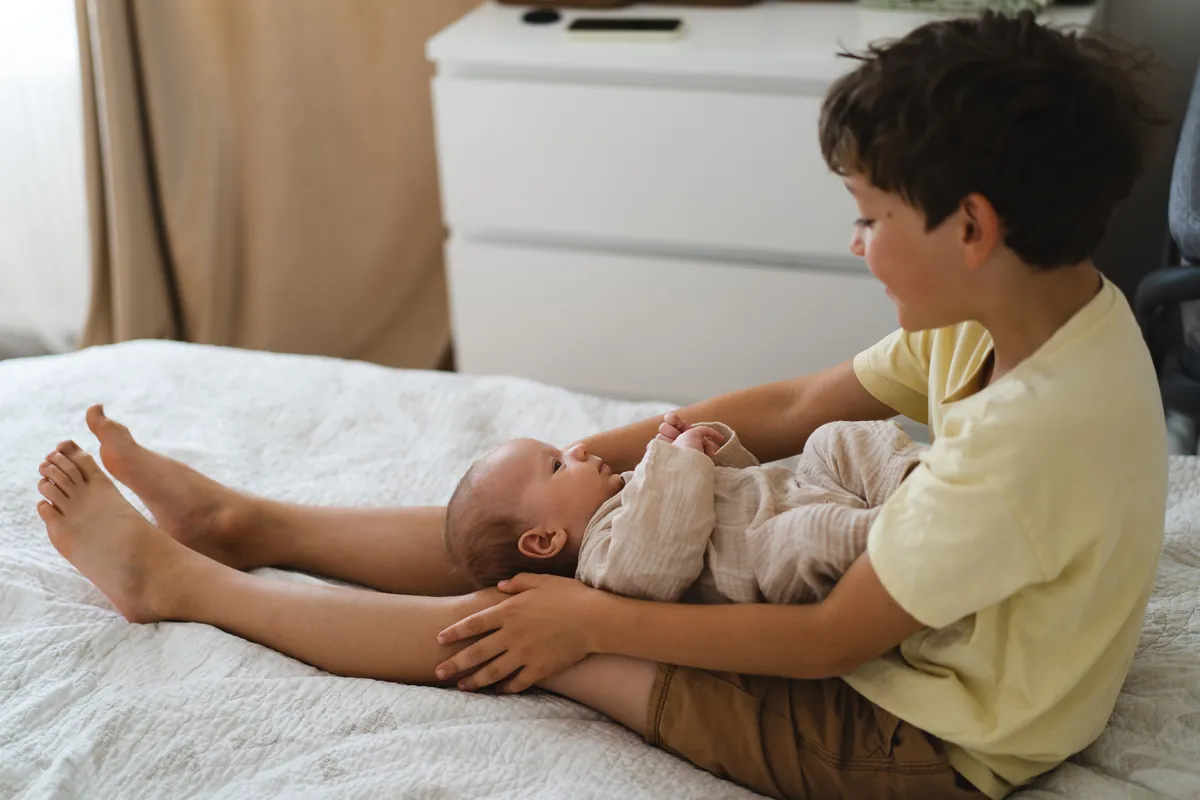
Step-sibling Rivalry: Fostering Peace In Your Blended Family
Does your blended family struggle with step-sibling rivalry? If that is the case, this article will provide you with helpful information on how to rea
 Social & Emotional
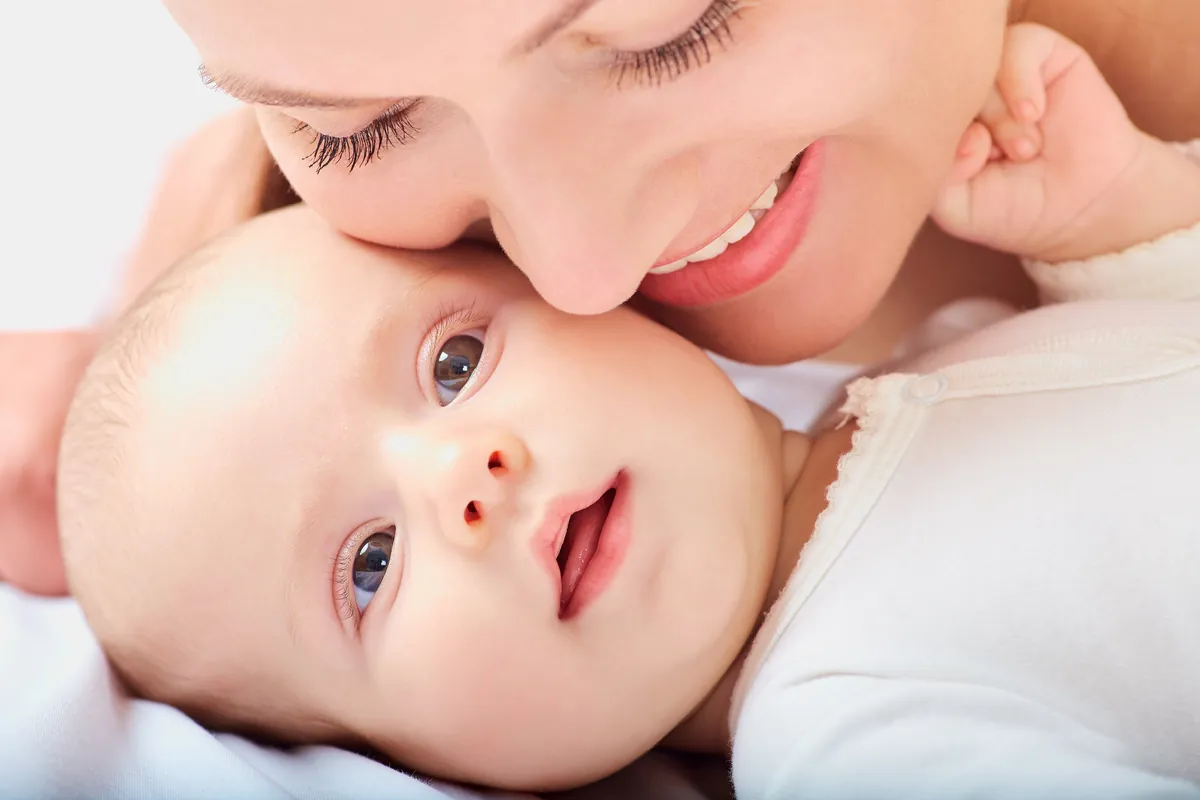
What Is Exterogestation?
During exterogestation, your baby requires special care since they are adapting to the environment outside the womb. Read on for some tips! When they’
 Social & Emotional
Looking forward at 2022: Letter to my future self
Key points: Embrace change and grow from it; take risks and persevere through challenges. Cherish the journey of parenting and recognize your growth a
 Social & Emotional
6 key takeaways about becoming a mom
Key points: Parenthood transforms us, regardless of how we become parents. It’s a profound shift in being and responsibility. Labor is unpredictable a
 Social & Emotional
How can my child learn non-verbal communication?
Key Points: 1. Babies use non-verbal communication, such as crying, cooing, and gestures, to connect with caregivers before they can speak, aiming to
 Social & Emotional
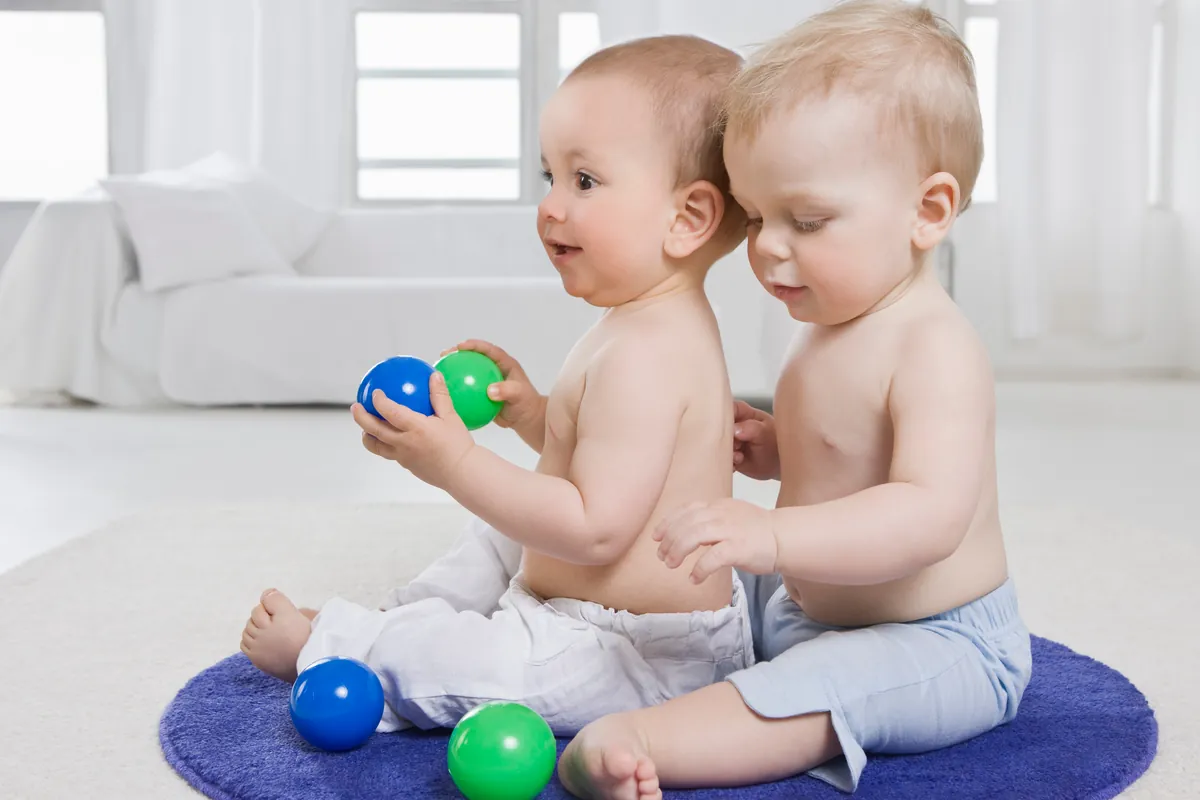
How do babies build social skills?
Key points: Babies begin to communicate through crying and responding to their needs helps them become more efficient at communicating. A baby’s first
 Social & Emotional
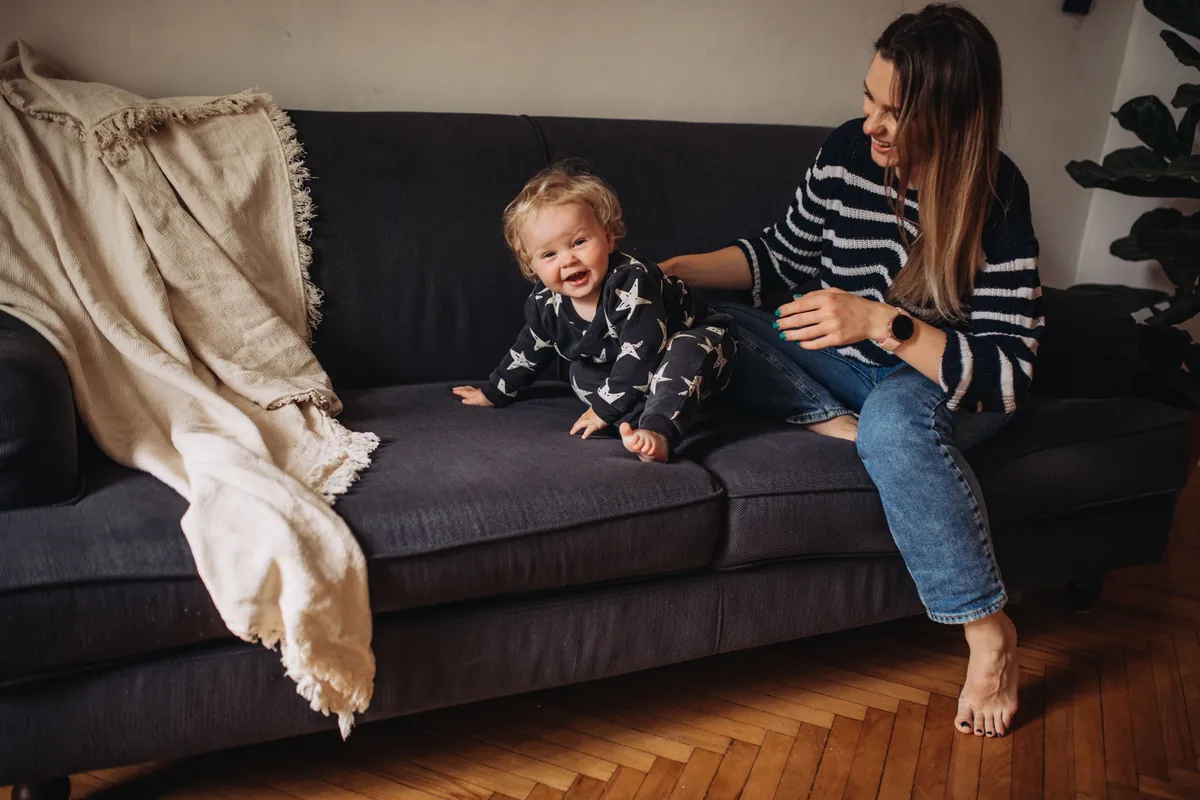
How To Deal with Toddler Tantrums
Once your baby graduates to the toddler stage, it can seem as though life is changing faster than you can keep up. As your child learns and develops n
 Social & Emotional
When do babies smile?
Key points:1. Baby smiles evolve through stages: reflexive, responsive, social, and anticipatory.2. Newborns show spontaneous smiles during REM sleep;
 Social & Emotional
Positive parenting: what you need to know about this parenting style
Positive parenting, a happy middle between the authoritarian and permissive styles, offers a nurturing approach to raising well-rounded and healthy ch
 Social & Emotional
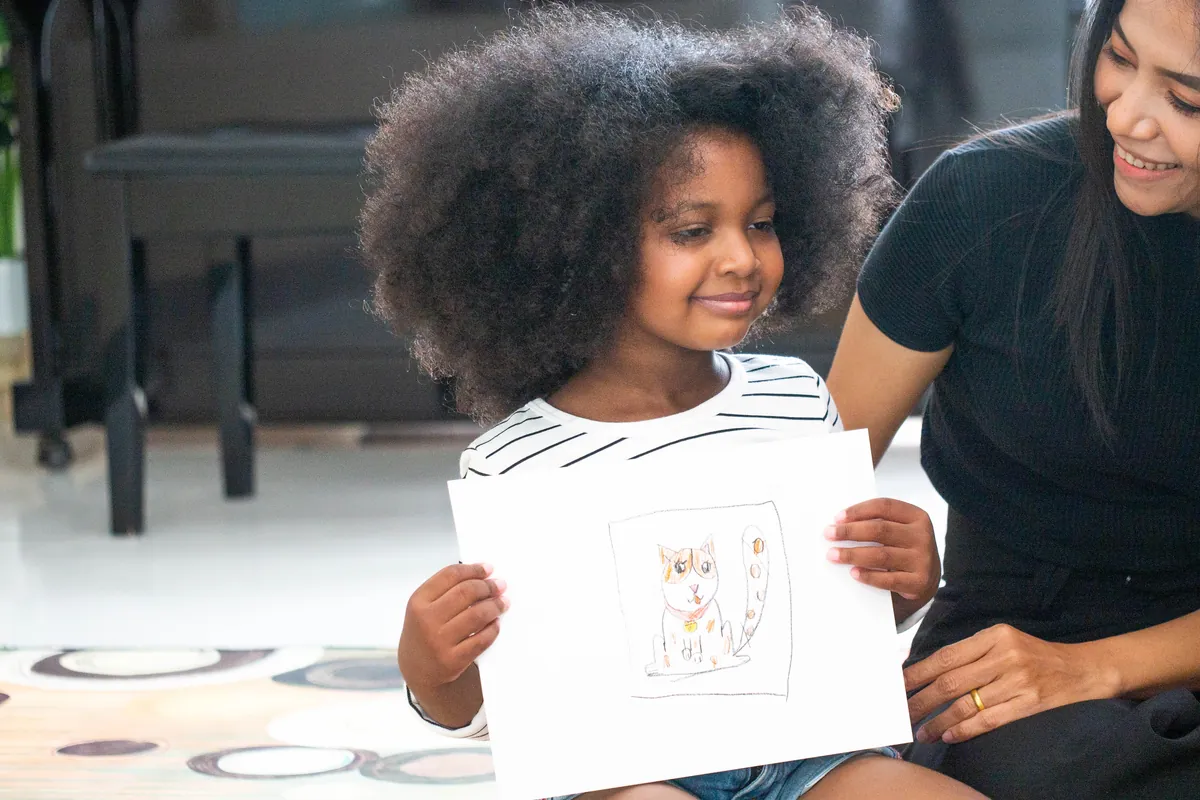
How to build self-esteem in children
As parents, we tend to worry about our little ones, about their emotional and mental well-being, so it is natural that we look for ways to build self-
 Social & Emotional
Childhood fears: What are they and how to respond
Fear is something natural, an emotional state that activates warning signs. Learn about the most common childhood fears in this article. Your baby’s d
 Social & Emotional
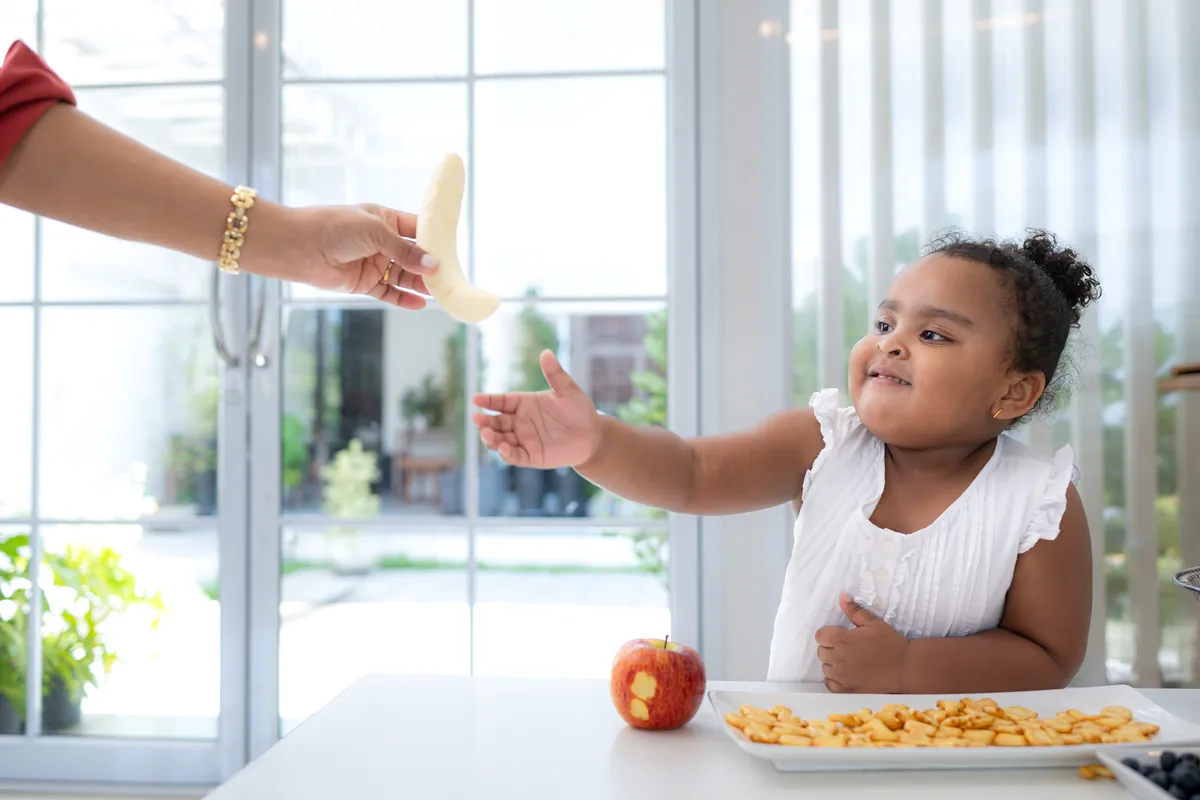
How to motivate a kid
One of the challenges of being a parent is learning how to motivate a kid throughout their development. Of course, we all know motivation is key, but
 Social & Emotional
Motherhood during pandemic
Key points: International Women’s Day (March 8) celebrates women’s achievements and emphasizes ongoing gender equality efforts. COVID-19 has dispropor
 Social & Emotional
Kinedu Online
Virtual support for new families Navigate your baby’s first few months of life with guidance from early childhood coaches, developmental experts, and
 Social & Emotional
How to make New Year’s resolutions
Key points: Fresh starts require clear goals and healthy habits, not just waiting for a new year. Keep New Year’s resolutions simple, focusing on one
 Social & Emotional
Starting new holiday traditions
Key points: Embrace the opportunity to create new holiday traditions as your family grows. Find ways to celebrate virtually and keep traditions alive
 Social & Emotional
Tips for our spirited toddlers
1. Run ‘em out Spirited toddlers have more energy to burn and when they are able to release that extra fuel, they thrive! Inside or outside it’s easy
 Social & Emotional
What is joint attention and why does it matter?
Key points: Engaging in shared attention efforts is one of the easiest ways to bond with your child while supporting their development. Joint attentio
 Social & Emotional
Do you have an authoritative parenting style?
Key points: Authoritative parenting combines warmth and limits, using positive reinforcement and reasoning instead of harsh punishments. Key differenc
 Social & Emotional
How to discipline a toddler (and keep everybody happy)
Key points: Effective discipline involves understanding the reasons behind a toddler’s actions. Instead of asking “”what’s wrong with them,”” consider
 Social & Emotional
5 quick tips to keep calm in quarantine
1. Create me-time Every. Single. Day. Whether you are working full time, caring for a child, working inside the home, working outside of the home, or
 Social & Emotional
How has COVID-19 impacted your child’s development?
Key points: Quality time with parents is crucial for a child’s development, especially during COVID-19 disruptions. Reading together daily can enhance
 Social & Emotional
The power of Dad: Tips for new fathers
Science-based insights from Kinedu’s Chief Executive Dad. Key points: Active fatherhood during the first 1,000 days of a child’s life is crucial for t
 Social & Emotional
What does science say about the dad brain?
Key points: Dads, like moms, undergo significant brain changes when becoming parents, challenging the notion that parenting instincts are solely mater
 Social & Emotional
How to raise race-conscious children?
Key points: Expose children to diverse viewpoints, people, and stories to foster empathy and open-mindedness. Addressing race is crucial for children’
 Social & Emotional
10 ways to promote quality family time
Key points: Importance of family time: A positive parental relationship is crucial for a child’s behavioral, physical, and cognitive health, as stated
 Social & Emotional
Why does timing matter in early childhood development?
Key points: The majority of a child’s brain development occurs before age three. Brain architecture results from both nature and nurture, emphasizing
 Social & Emotional
What does Mother’s Day mean this year?
Key points: Motherhood goes beyond being just a mom, especially during challenging times. Coping strategies include embracing creativity, bonding thro
 Social & Emotional
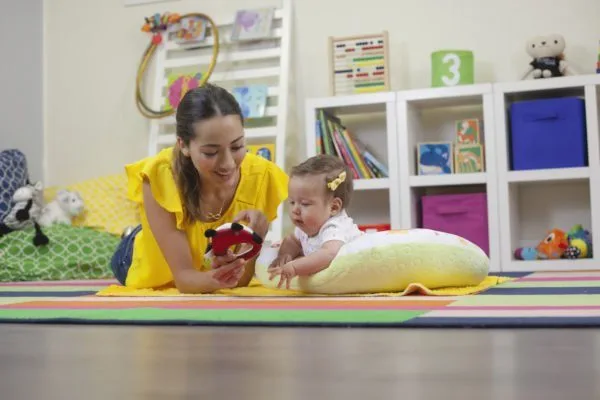
What does quarantining with kids look like for the Kinedu team?
Key points: Kinedu team adapts to remote work while offering the app for free to parents worldwide during quarantine. Luis, CEO of Kinedu, enjoys fami
 Social & Emotional
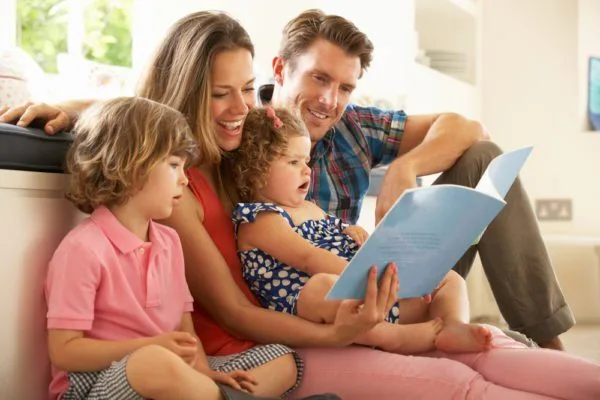
Useful articles to help you handle COVID-19 with your family
Find tips and tricks for supporting your child’s development from home. There’s a lot of information to process right now. To help you find the answer
 Social & Emotional
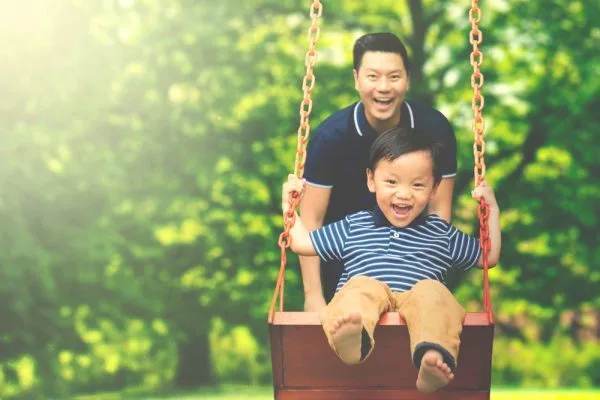
How to be present for your little one
Key points: Experts are calling “distracted parenting” or “partial attention parenting” a concerning new phenomenon that could be detrimental to child
 Social & Emotional
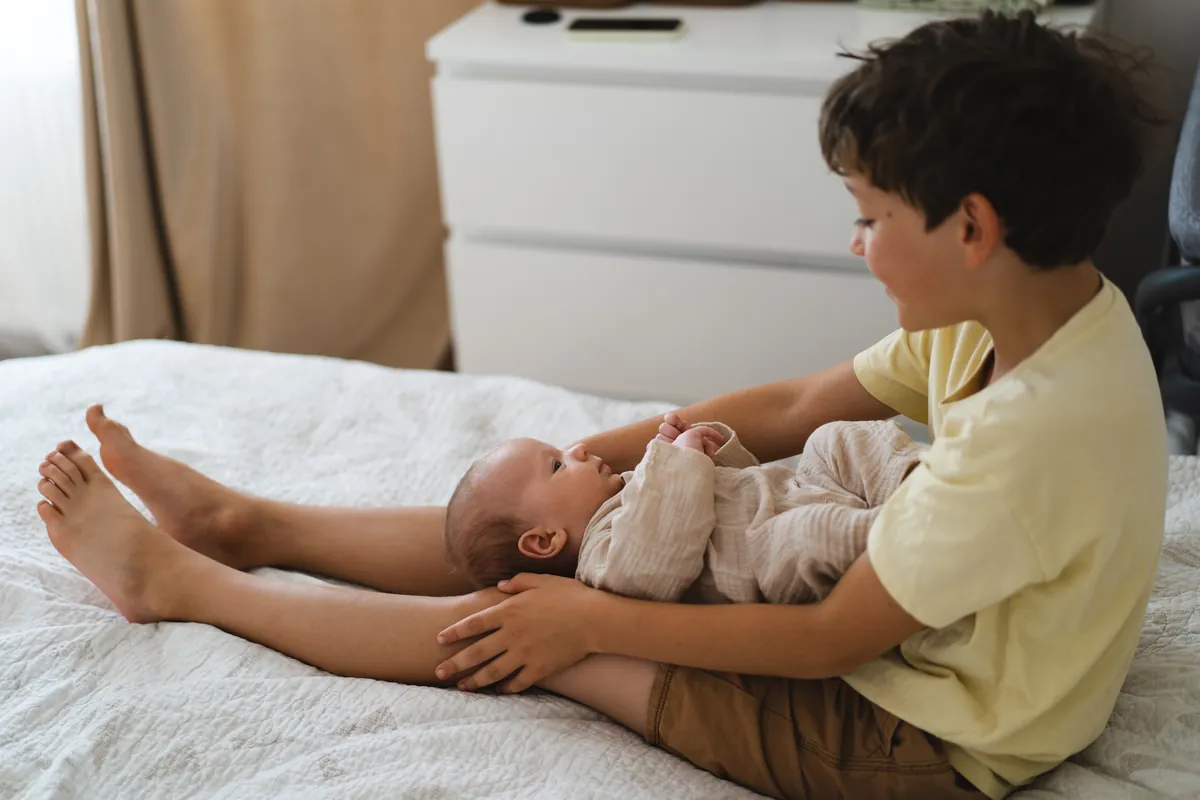
How to help all siblings feel special
Key points: Siblings of children with special needs may be overlooked due to the focus on therapy and appointments. Special attention can be given thr
 Social & Emotional
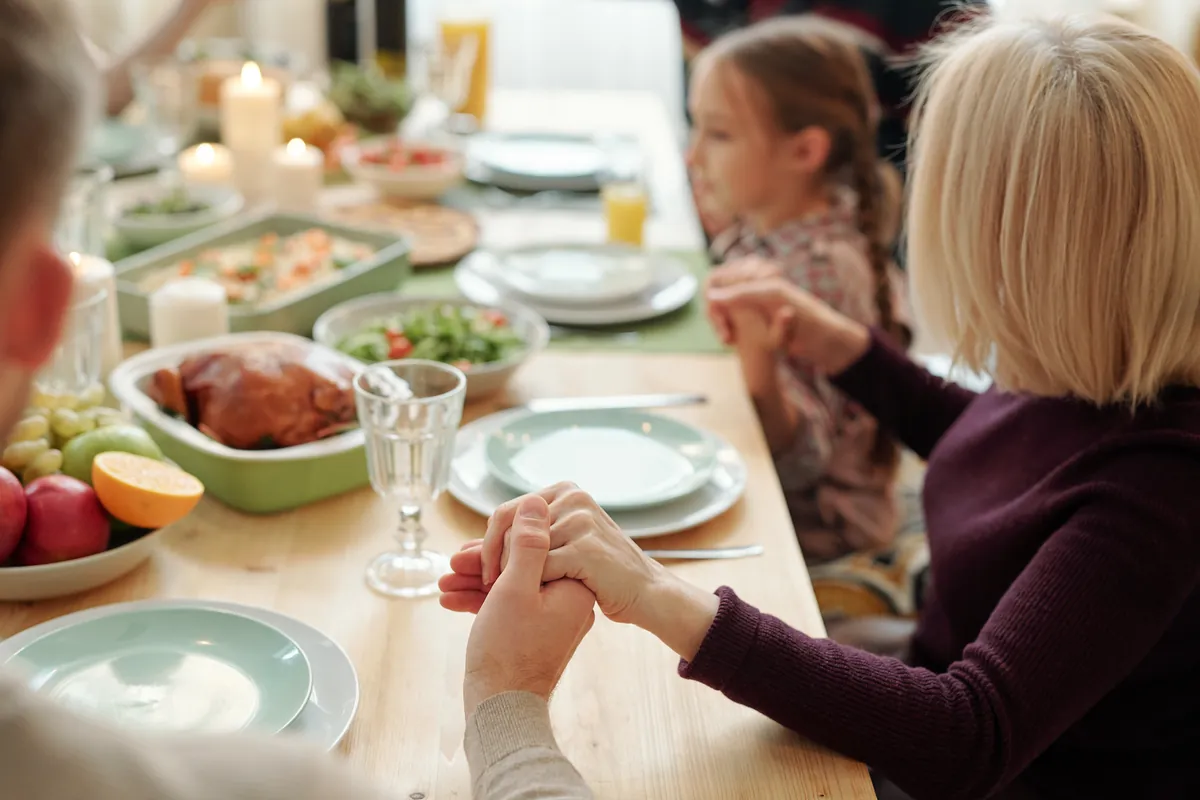
Promoting gratitude in your family
Key points: Vivimos en un mundo dominado por la impaciencia que puede crear una sensación de derecho y desdibujar la línea entre deseos y necesidades.
 Social & Emotional
The power of positive communication
Key points: Positive communication with children is fundamental for their development, building their confidence, resilience, and grit, and providing
 Social & Emotional
Kids can have resolutions too!
Key points: Less is more: Set 1-3 resolutions for kids, use visuals, like a responsibility chart. Ensure consistency across environments. Be a consist
 Social & Emotional
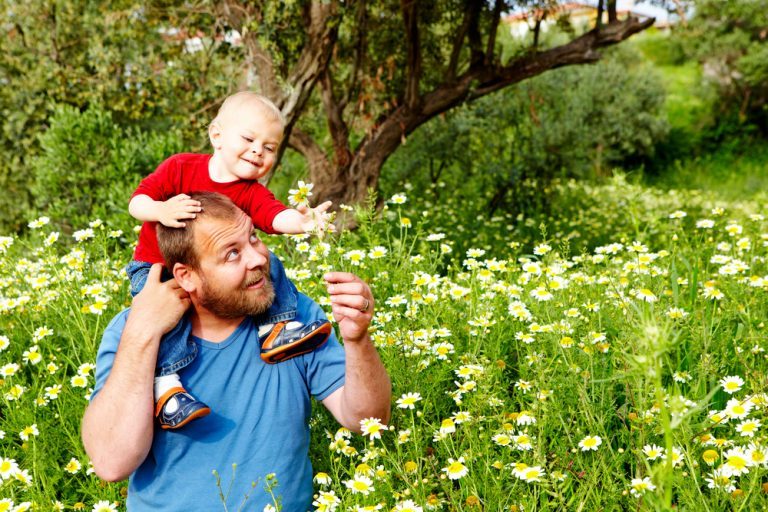
Why practice serve and return with your child?
Key points: Serve and return are back and forth interactions between a parent and a child, where the adults share the little one’s focus of attention
 Social & Emotional
What is the attachment theory?
Key points: Attachment is a relational process that starts developing since infancy and consolidates during the first years of life, which involves a
 Social & Emotional
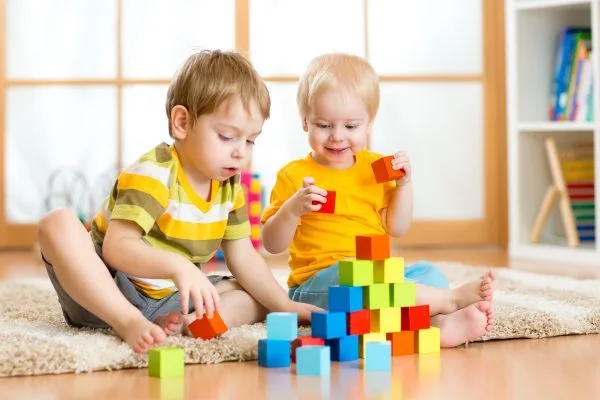
Baby games: The 6 stages of social play
We as humans are social beings, so all parents look forward to seeing their little ones begin to make friends and interact with others on their own. Y
 Social & Emotional
When do children understand the concept of ownership?
Key points: Understanding ownership is a crucial developmental milestone at around 29 months. Ownership is an abstract concept, vital for social and e
 Social & Emotional
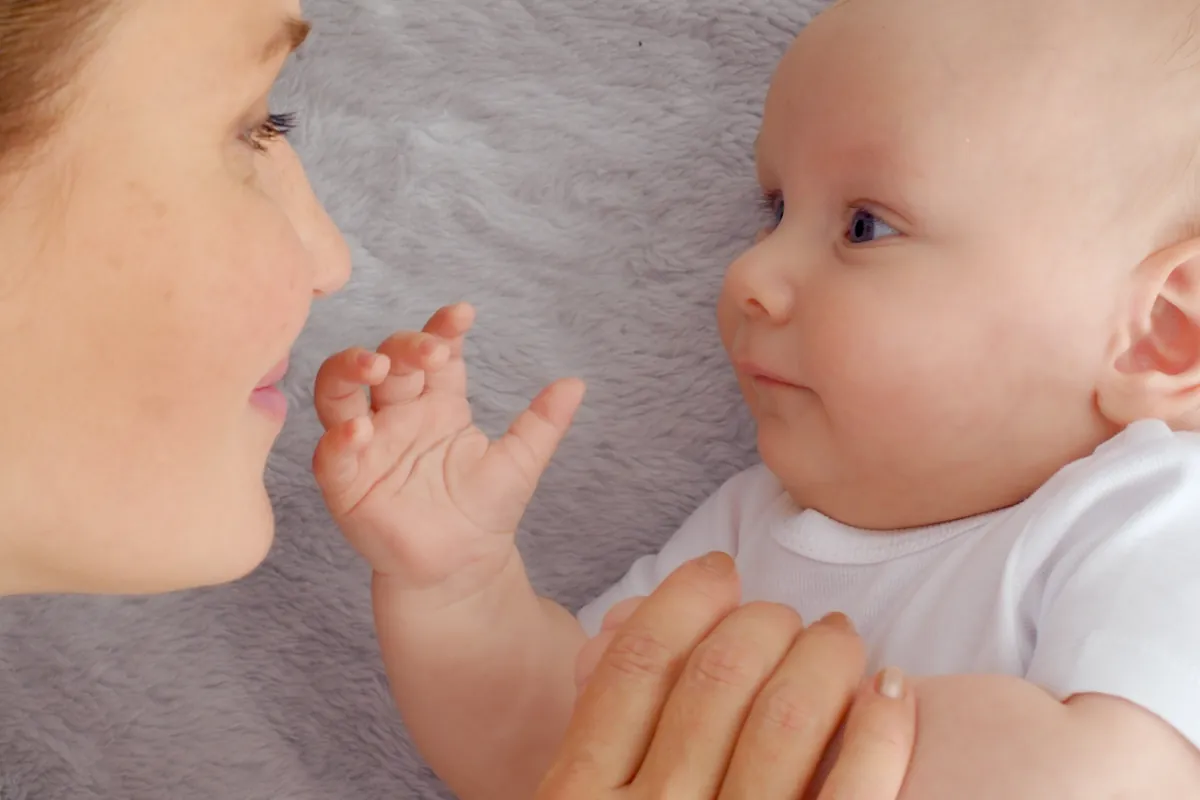
Pointing as a precursor of language
Key points: Pointing is one of the earliest ways in which babies communicate before they can speak, and can begin around 9-18 months old. Recent studi
 Social & Emotional
How parents help babies develop a Theory of mind
Key points: Theory of Mind is understanding others’ mental states (emotions, intent, beliefs). It’s a fundamental cognitive ability developed through
 Social & Emotional
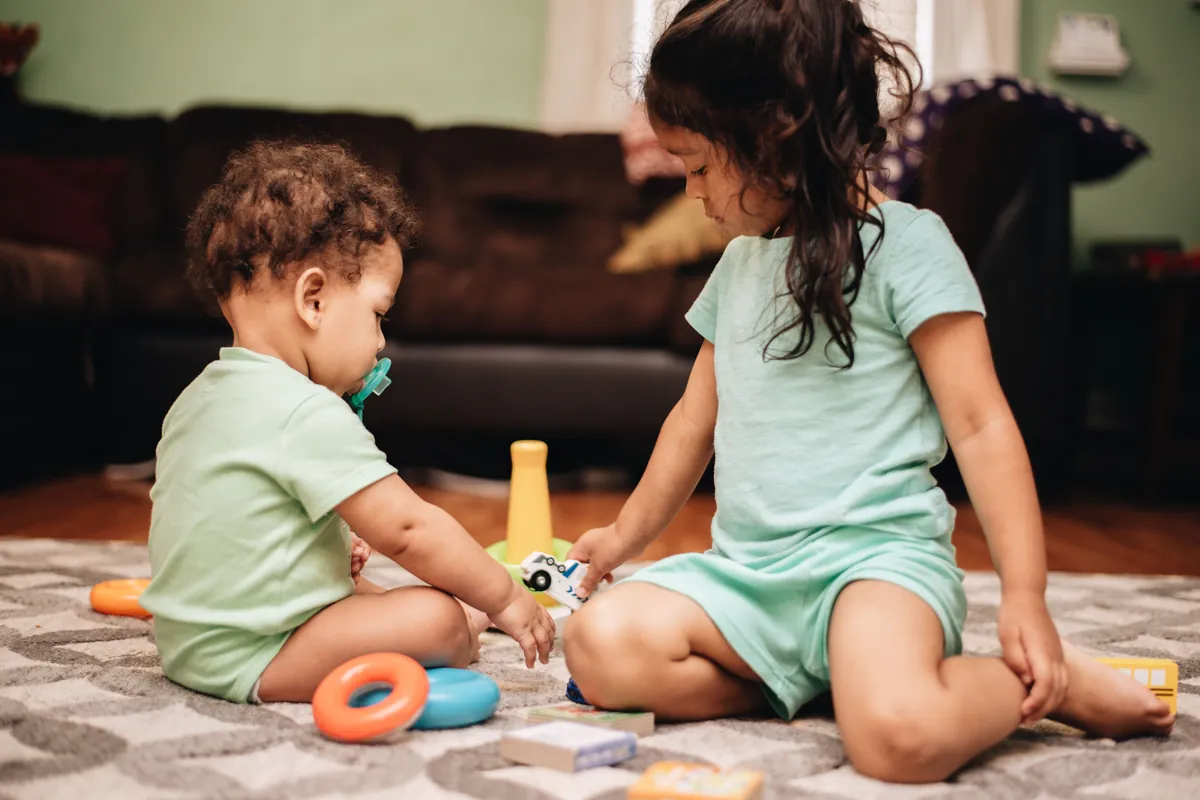
Play date tips & tricks
Key points: Establish clear ground rules for behavior and play during the gathering. Provide healthy, protein-rich snacks to keep the children energiz
 Social & Emotional
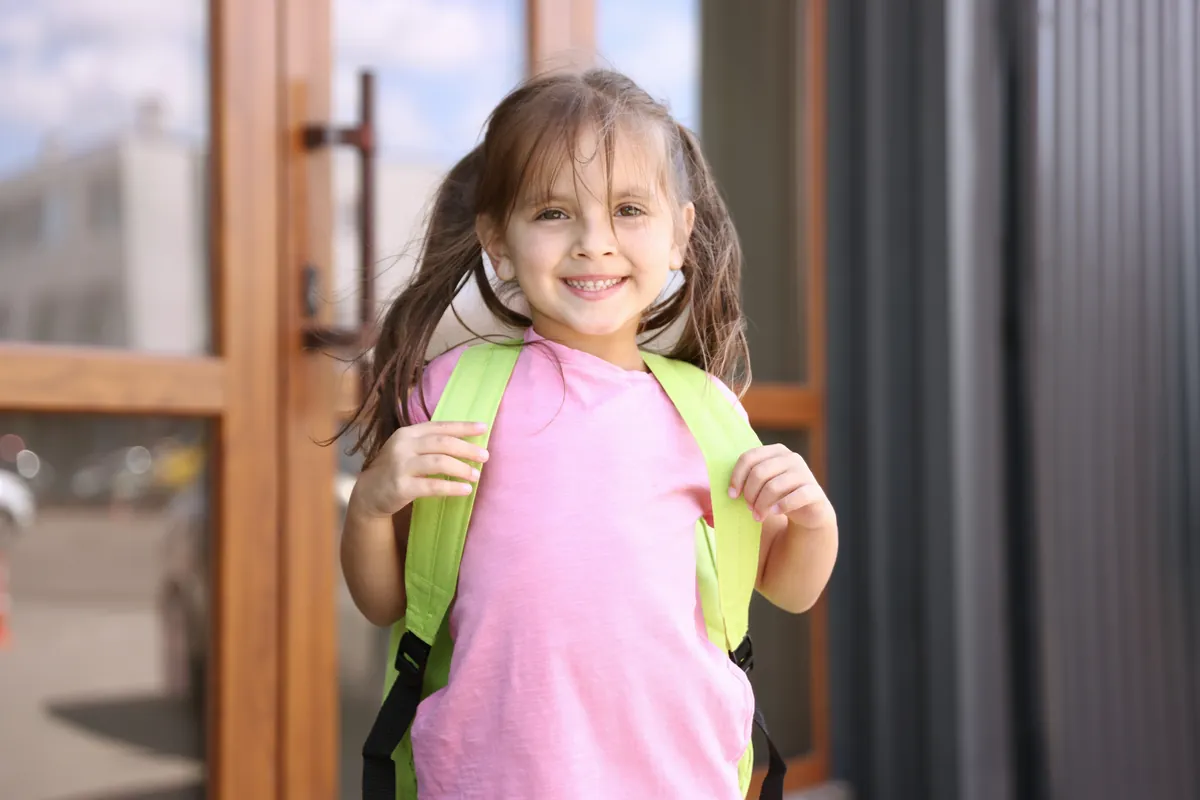
5 back to school tips
Key points: Setting up expectations can help make the transition back to school stress-free for children. Using positive language and “get to” stateme
 Social & Emotional
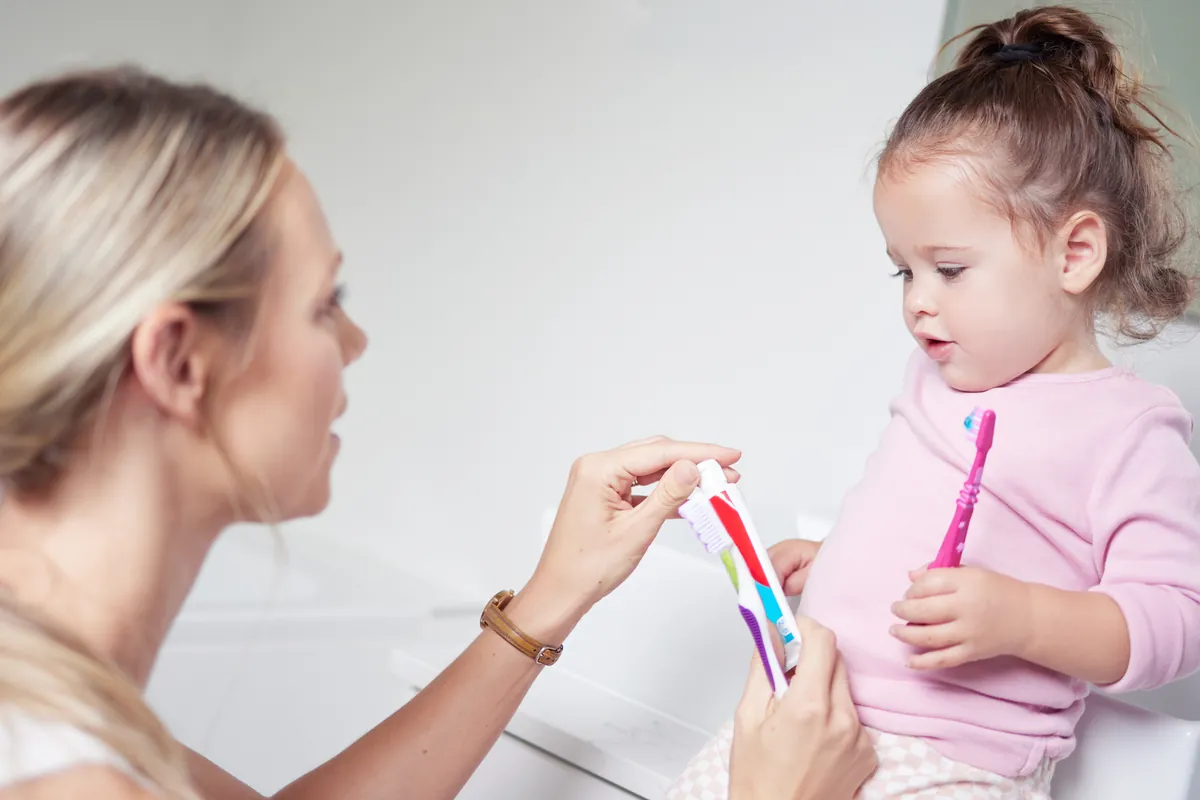
Self-care and personal hygiene for preschoolers
Key points: Teaching personal hygiene and self-care is crucial for a child’s future independence. Essential self-care areas for preschoolers include s
 Social & Emotional
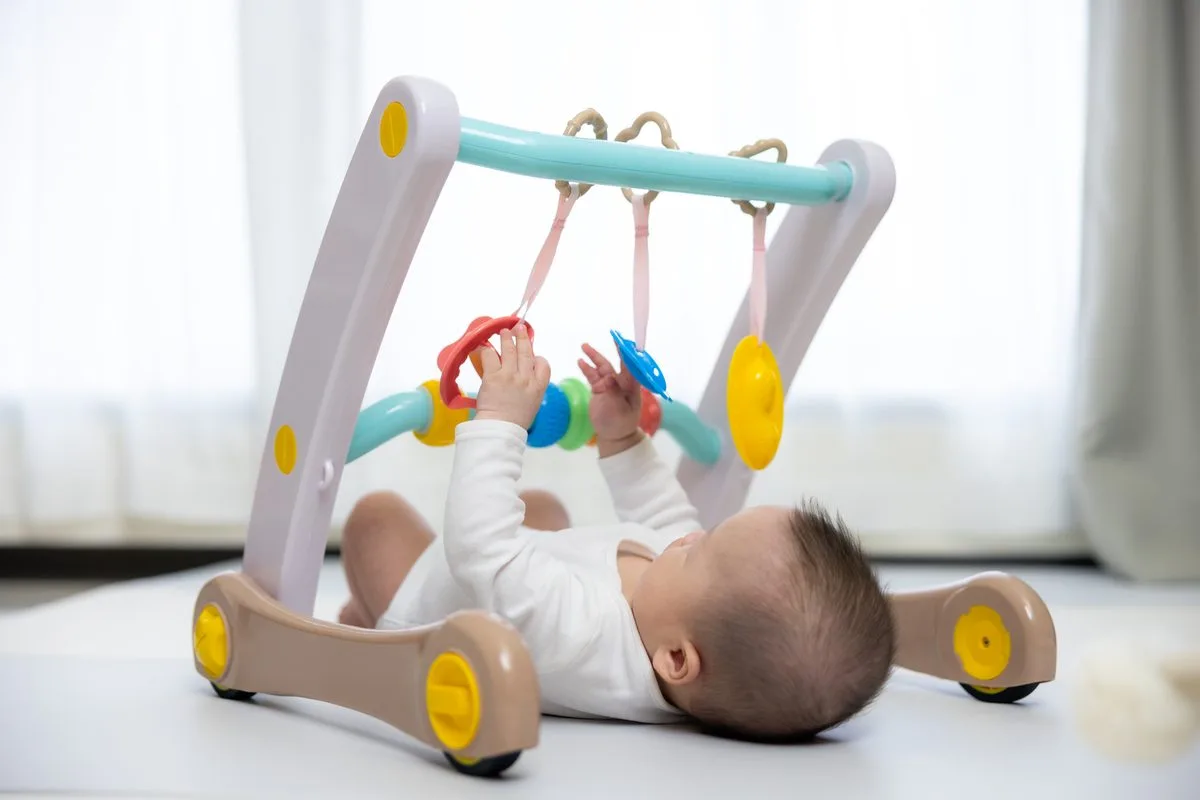
Conclusions about parenting from a 70-year study
Key points: Researchers have been conducting a longitudinal study of 70,000 individuals born in the UK over a 70-year time period, collecting informat
 Social & Emotional
Happy father’s day
Key points: Fathers have a unique role in their child’s life, providing emotional support and promoting inner growth and strength, offering a sense of
 Social & Emotional
What is parallel play?
Key points: Parallel play is a normal stage in a child’s development, where they play on their own but near their peers without significant cooperatio
 Social & Emotional
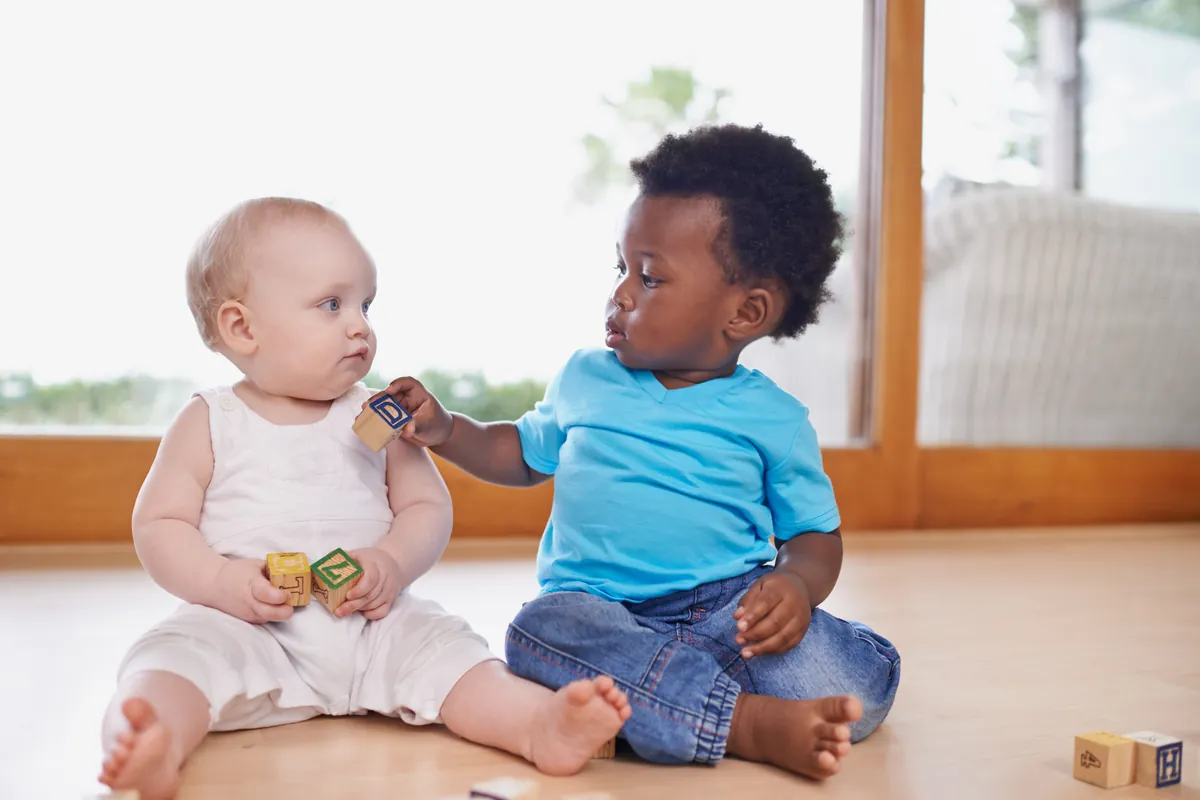
What is temperament in child development?
Key points: Temperament is innate and part of the unique wiring of each individual’s brain, separate from parenting skills. Temperament is made up of
 Social & Emotional
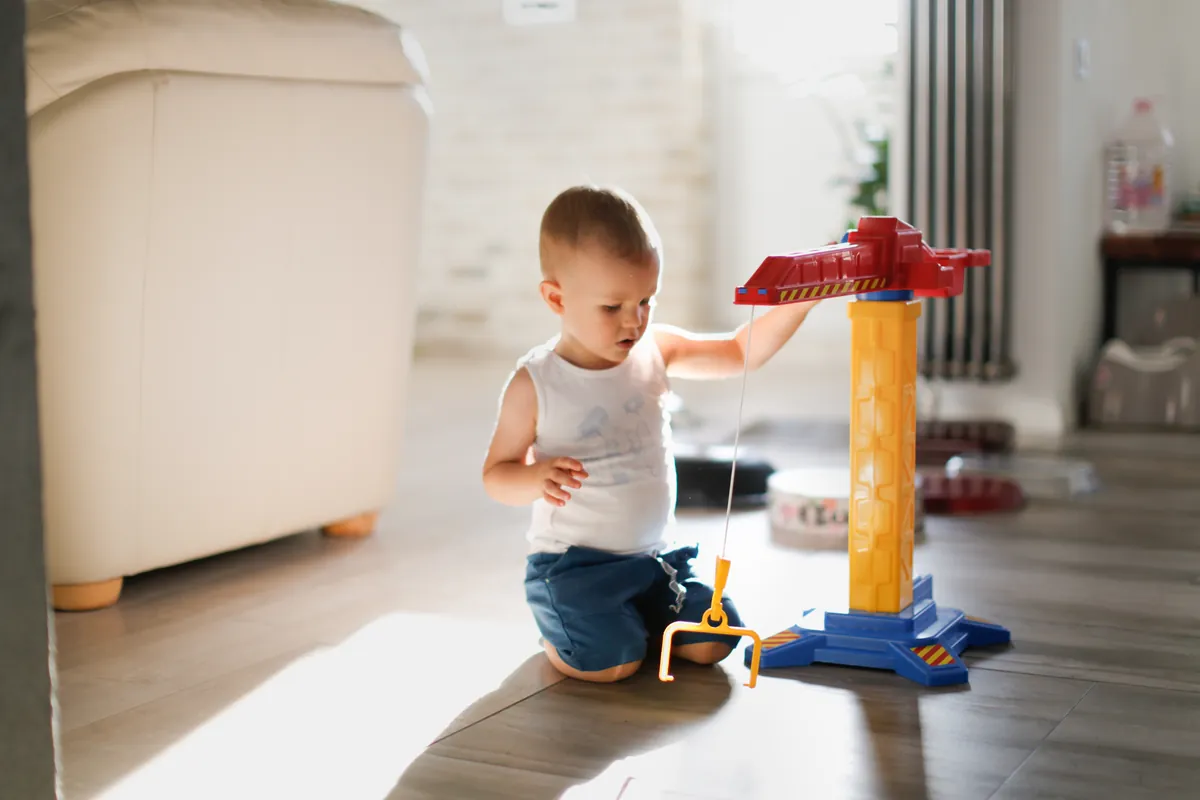
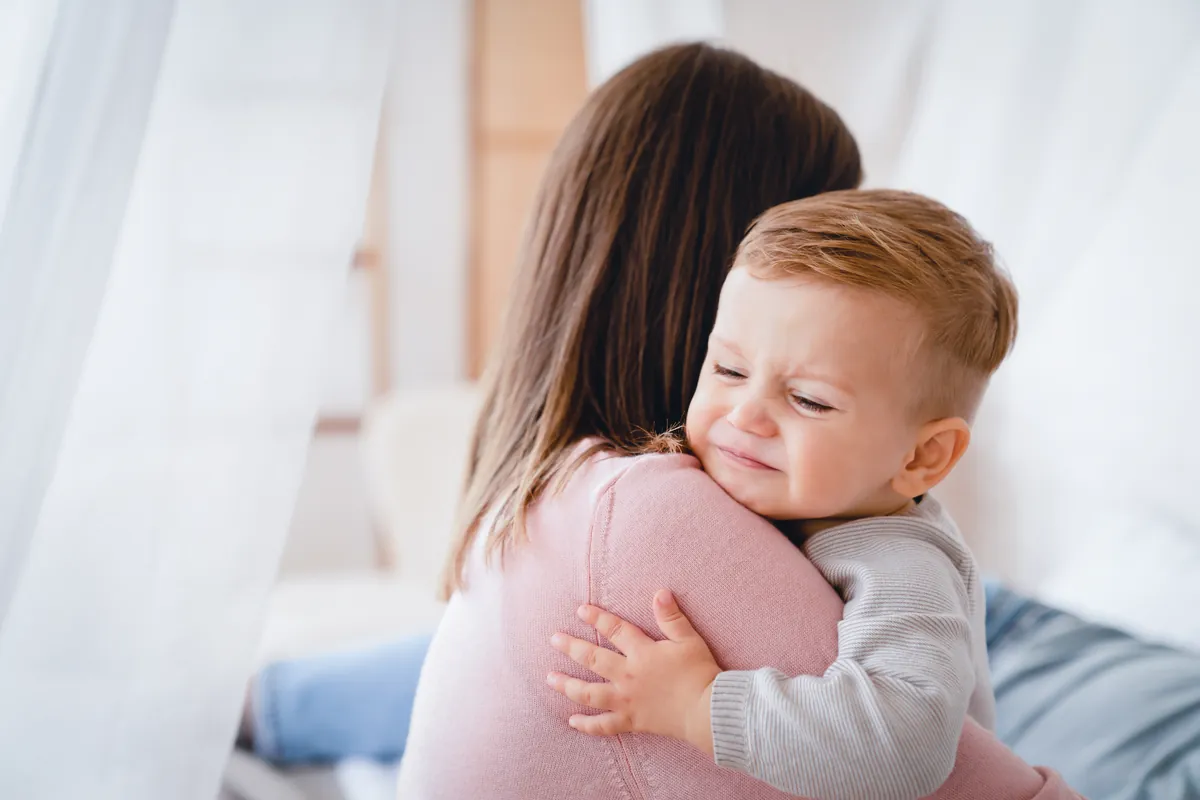
What makes a child shy? Part II
Key points: The origins of shyness can be found in the temperamental reactivity of infants and the responsiveness of their parents. Over-protective an
 Social & Emotional
How to manage my child’s aggressive behavior PART 2
Key points: Your role as a parent is crucial in teaching your child effective communication, empathy, and self-regulation. Through your guidance and s
 Social & Emotional
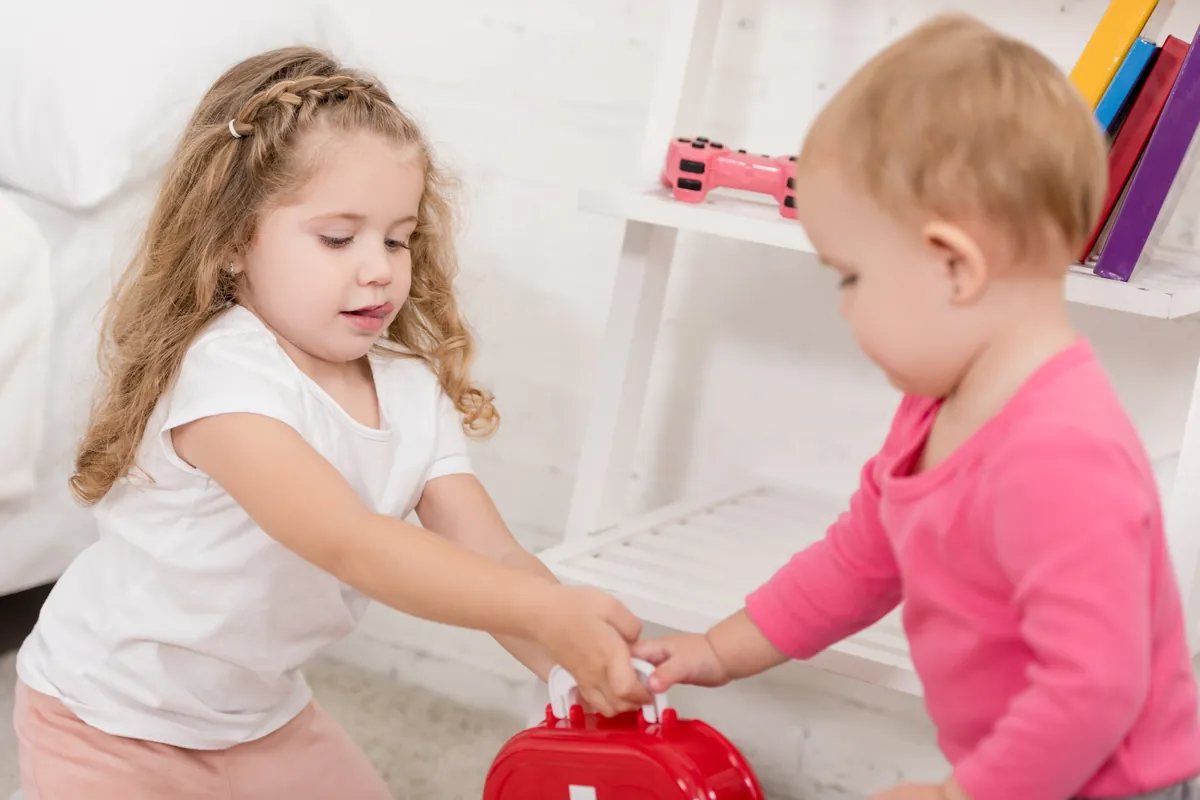
How to manage your child’s aggressive behavior
Key points: Toddlers may exhibit aggressive behaviors like hitting, pushing, or biting due to their limited self-control and emotional intelligence. I
 Social & Emotional
Why does your child imitate you?
Key points: Imitation plays a crucial role in a child’s socio-emotional development, influencing their habits, expressions, points of view, word choic
 Social & Emotional
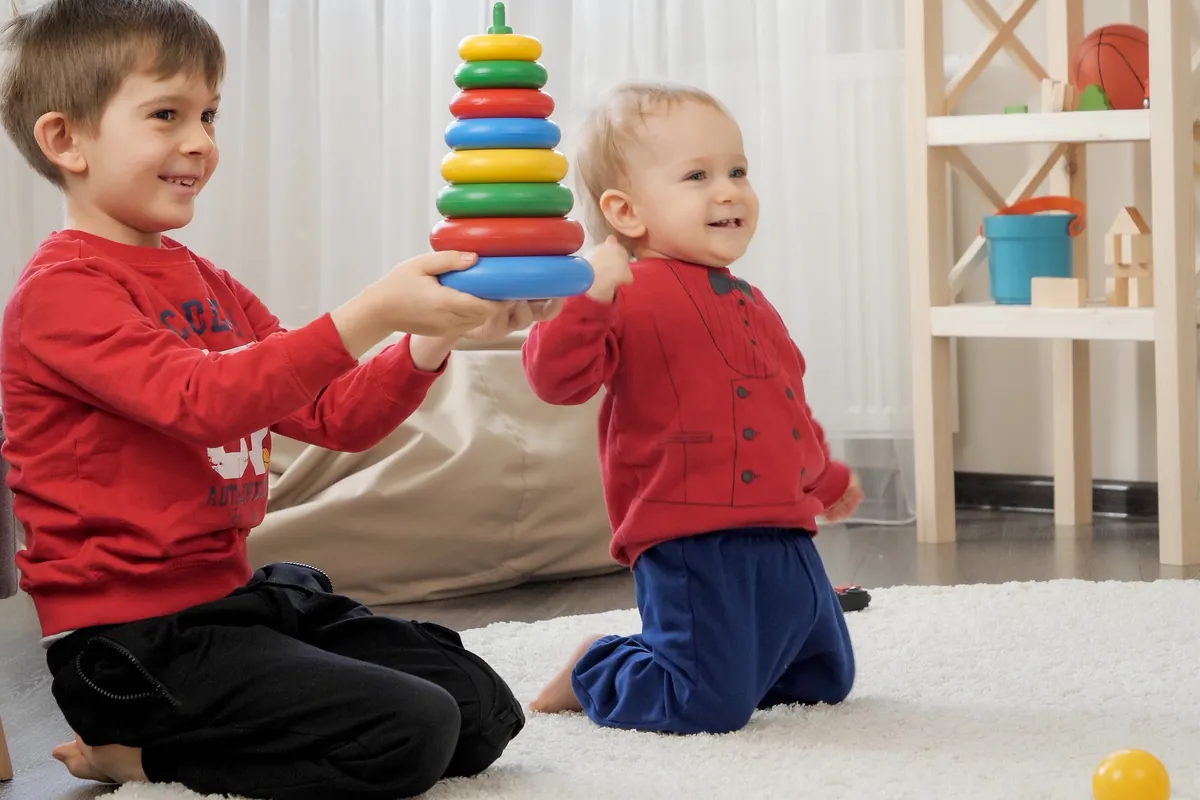
Why are group activities important for children?
Key points: As children grow, their play styles transition from solo play to more interactive and cooperative play with peers. Around age 2, they enga
 Social & Emotional
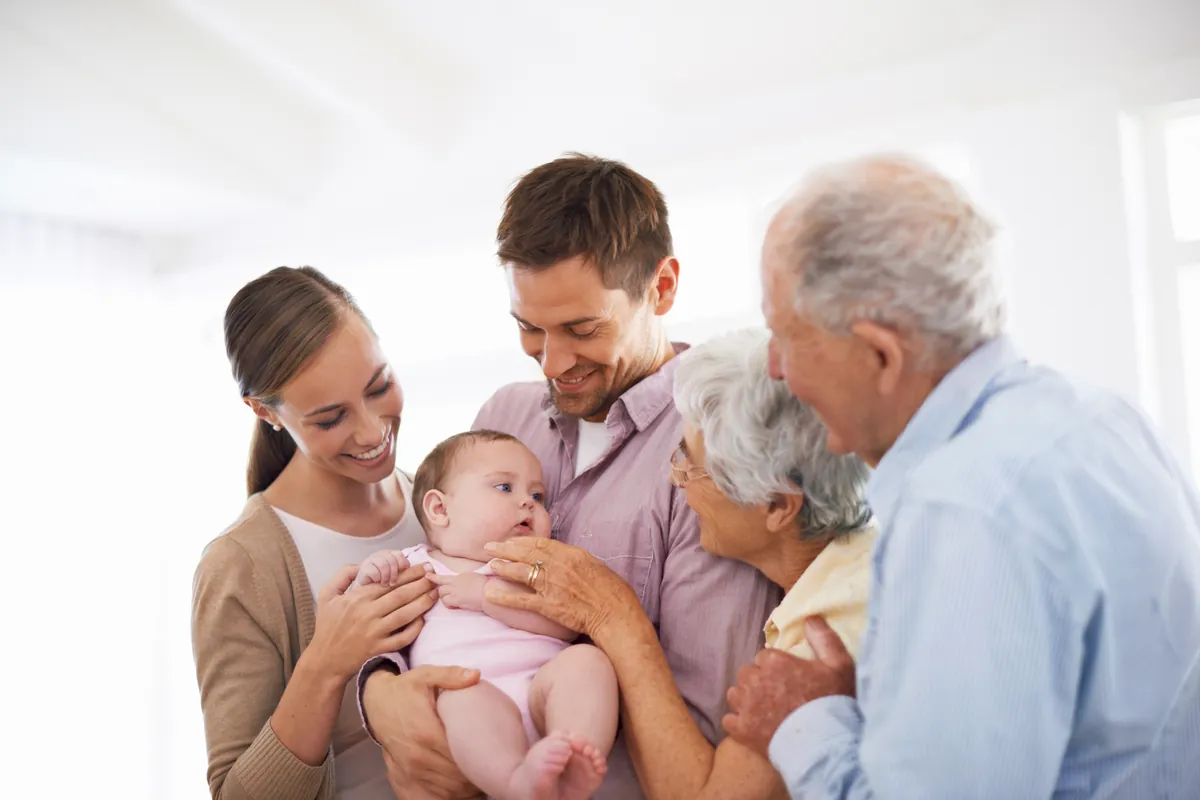
The importance of grandparents
Key points: Grandparents have an important role in a child’s development and can have measurable effects on each other’s psychological well-being. Gra
 Social & Emotional
How to practice positive communication with my child
Key points: Saying yes more often can help children be more tolerant of receiving no as an answer. The PART acronym (Present, Attuned, Resonate, Trust
 Social & Emotional
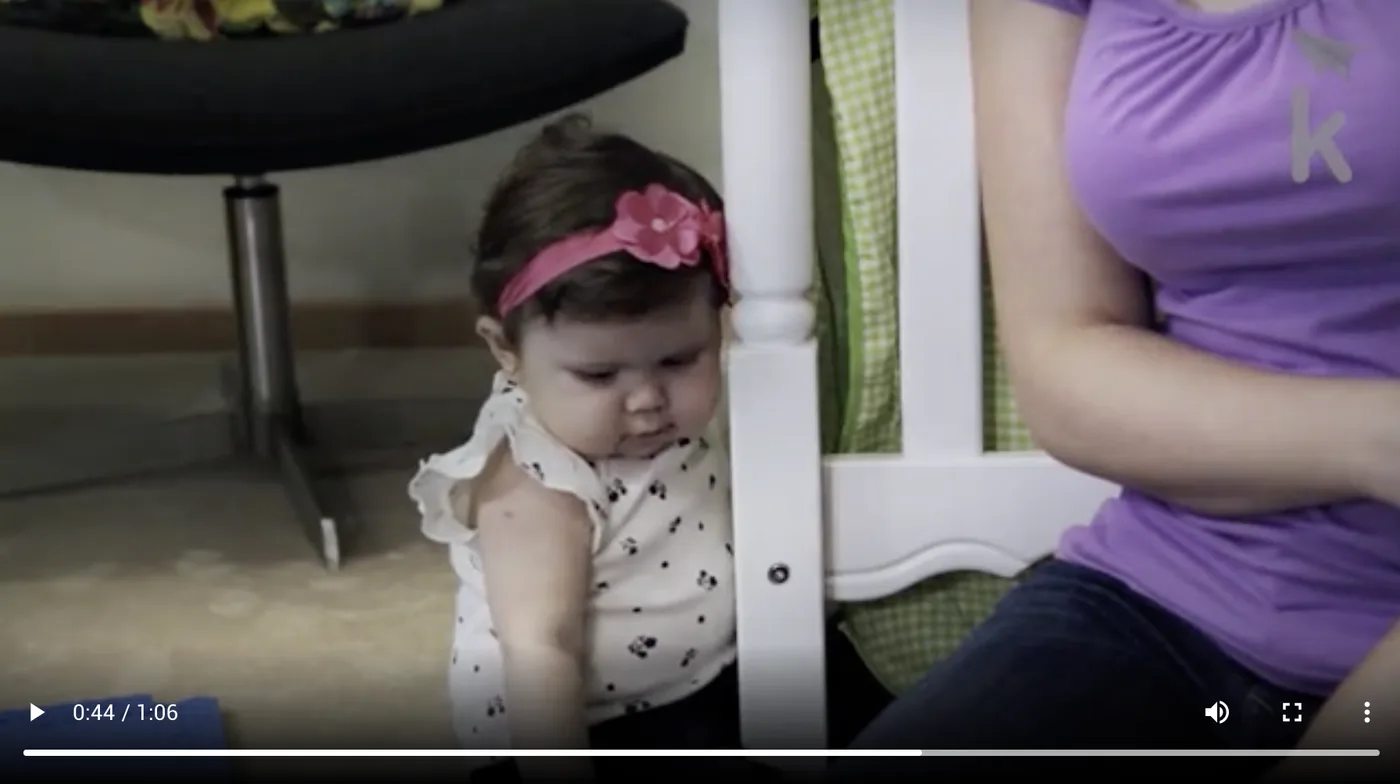
Scaffolding: Empowering my child through play
Key points:1. Scaffolding is a learning process in which adults provide support to children’s development, helping them connect existing knowledge to
 Social & Emotional
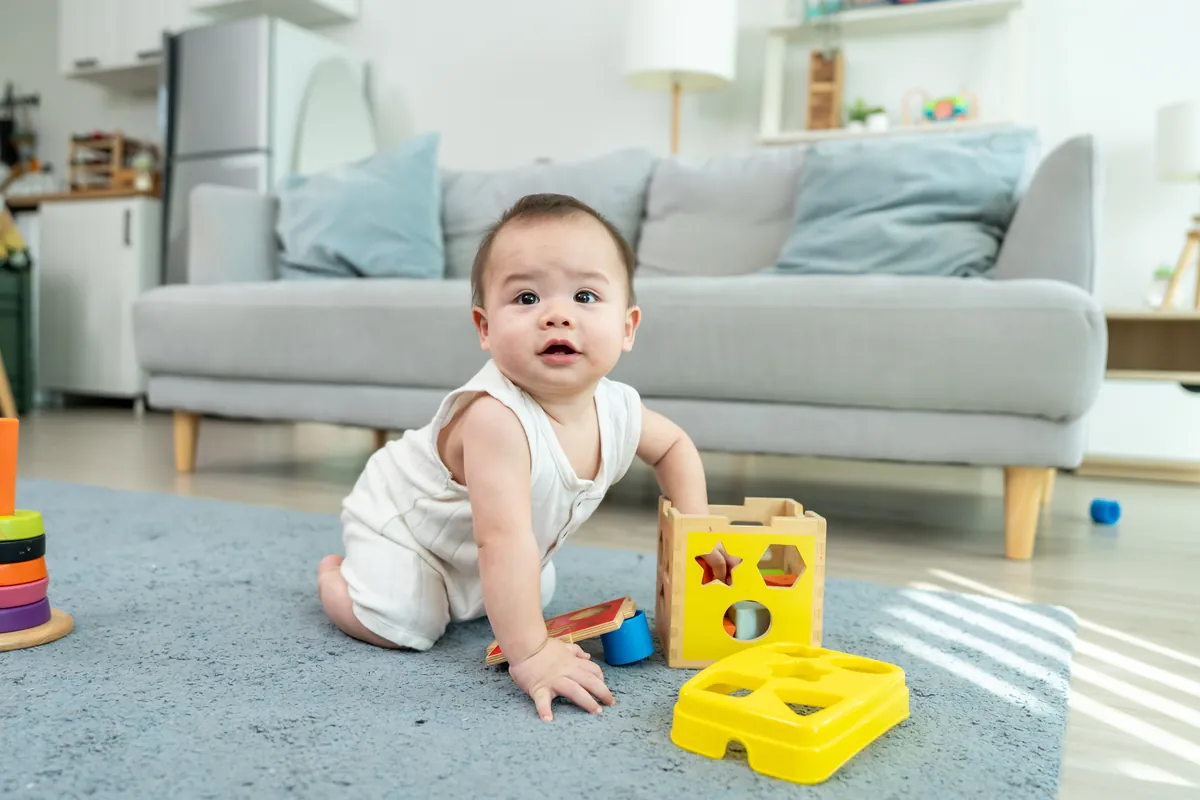
Developing independence: Encouraging my toddler to play alone
Key points:1. Play is vital for a child’s development, helping them learn, build relationships, and develop essential life skills.2. Toddlers can star
 Social & Emotional
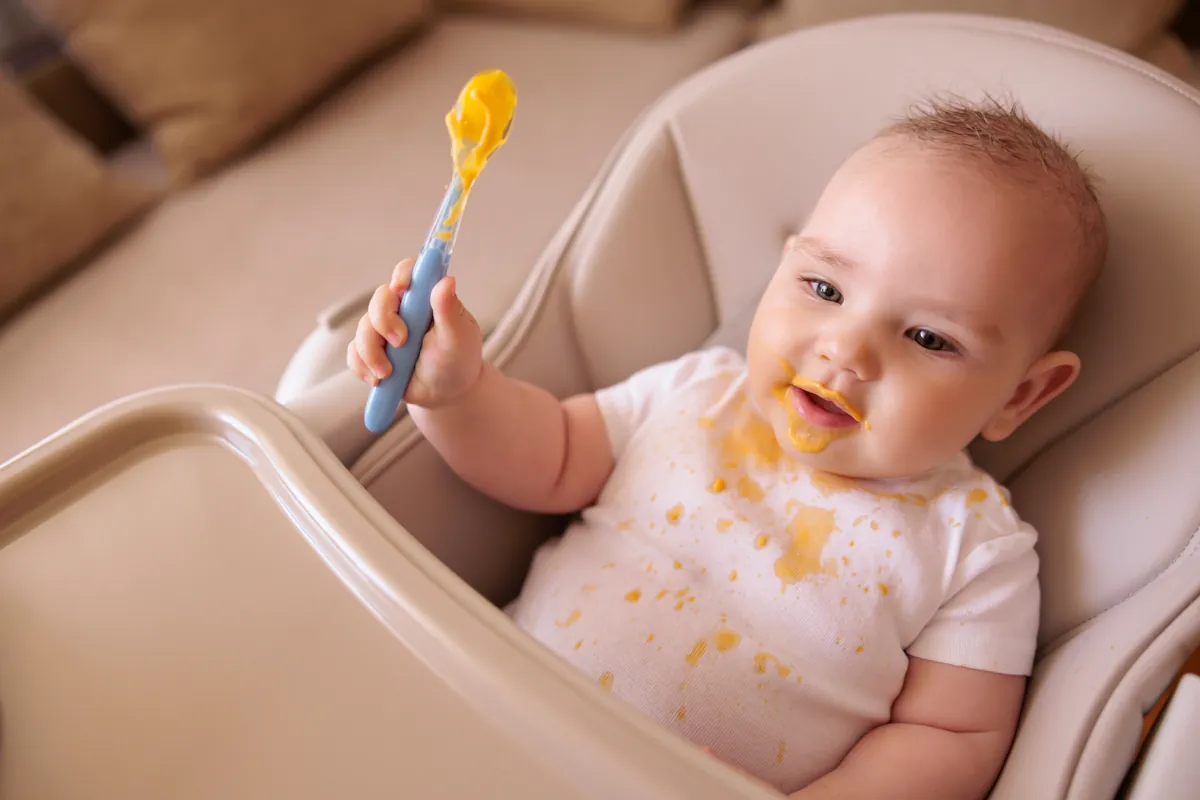
Developing independence: Teaching your little one to self-feed
Key points:1. Between 8-12 months, expect your child to explore food and eating, which can be messy and playful.2. Encourage their independence and mo
 Social & Emotional
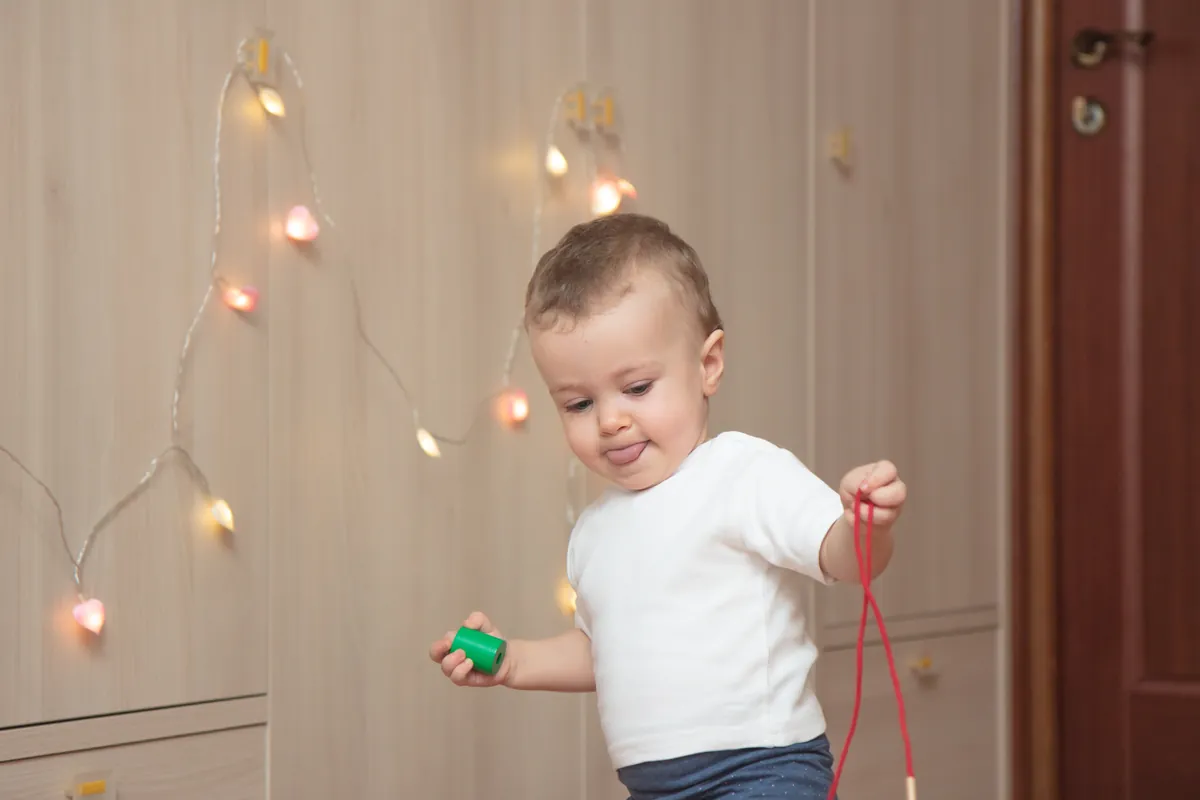
What makes a child shy? PART I
Key points: Temperament is innate and can make a child more or less likely to be shy, but can be modified by experiences and interactions. Social circ
 Social & Emotional
When partners become parents
Key points: Acknowledge and embrace the changes that come with welcoming a new member to the family. Improving the quality of a couple’s relationship
 Social & Emotional
What’s behind a resilient child?
Key points: 1. Supportive relationships with parents or caregivers are crucial for promoting resilience in children. 2. Resilience involves a positive
 Social & Emotional
How to practice mindfulness with your child
Key points: 1. Mindfulness practices improve behavior and focus, benefiting children’s language development. 2. Belly breathing helps children calm do
 Social & Emotional
How to promote impulse control in children
Key points: 1. Self-regulation is vital for healthy relationships and involves managing emotions, cooperating, handling frustration, and resolving con
 Social & Emotional
How can I ensure this year is the best for my baby’s development?
Key points: 1. Prioritize quality family time to build better habits and accomplish goals together. 2. Encourage better sleep routines and relaxation
 Social & Emotional
How does early education shape fairness in my child?
Key points: 1. Early education can foster fairness in children, leading them to treat others fairly even at personal cost. 2. The Abecedarian Project
 Social & Emotional
Tips for a stress-free holiday season
Key points: Parents are often overloaded during the winter holidays and it’s important to set reasonable expectations and prioritize what’s important.
 Social & Emotional
How to help your baby learn to identify and express emotions
Key points: Emotional and social development is just as important as physical, linguistic, and cognitive development for children’s overall well-being
 Social & Emotional
The importance of communicating with your baby
Key points: Recent studies highlight the importance of children’s right to be heard in matters that affect them. Children are experts in their own liv
 Social & Emotional
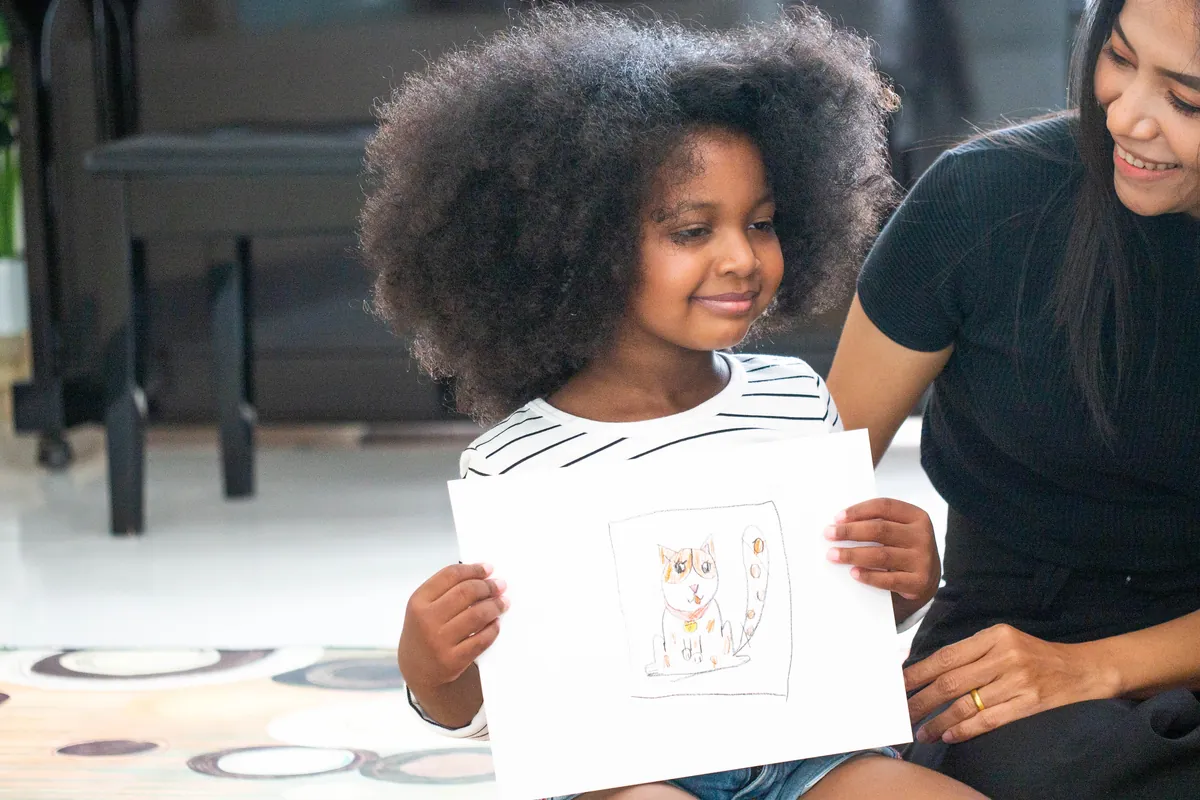
How to build a child’s self-esteem
Key points: Children build their self-esteem through experiences and nurturing their confidence. A is for Appreciation – pay attention to your child’s
 Social & Emotional
Recognizing patterns: The key to stop unwanted behaviors
Key points: Parents need to observe and analyze toddlers’ behaviors to understand what they are trying to communicate. Behavior patterns are crucial i
 Social & Emotional
The importance of parental confidence, and tips for boosting it!
Key points: Parenting styles are unique and may vary based on personal values and beliefs. Successful parenting involves a complex relational process
 Social & Emotional
How environment shapes development
Key points: 1. The environment significantly influences a child’s genes and development from before birth. 2. Epigenetics explores how experiences aff
 Social & Emotional
How can I foster gratitude in my kids?
Key points: 1. Expressing gratitude leads to being compassionate, generous, happy, and healthy. 2. Nurture gratitude in children by modeling and appre
 Social & Emotional
My top 5 back-to-school books for little ones
Key points: 1. Books prepare kids for school and encourage communication. 2. “The Pout-Pout Fish Goes to School” and “The Kissing Hand” comfort and ea
 Social & Emotional
The importance of “being there”
Key points: 1. “Being there” involves serve and return interactions. 2. Occasional lapses in attention are normal. 3. Not all stress is harmful. 4. Fo
 Social & Emotional
Mindfulness 101
Key points: 1. Parents’ emotional state affects children, who absorb emotions from an early age. 2. Practicing mindfulness enhances awareness of the p
 Social & Emotional
Tantrum survival guide: How to handle the meltdowns?
Key points: Tantrums are a normal part of toddler development. Understanding your child’s emotions can prevent tantrums. Identify possible tantrum tri
 Social & Emotional
The power of love: How does it shape your baby’s brain?
Key points: The first three years of life are crucial for a baby’s brain development, forming many synapse connections. Positive experiences during th
 Social & Emotional
When should I take my children to the movies or a show?
Key points: Introducing your child to the cinema or theater should be done between 2-4 years old, but it ultimately depends on the child’s individual
 Social & Emotional
How to nurture your child’s sharing skills?
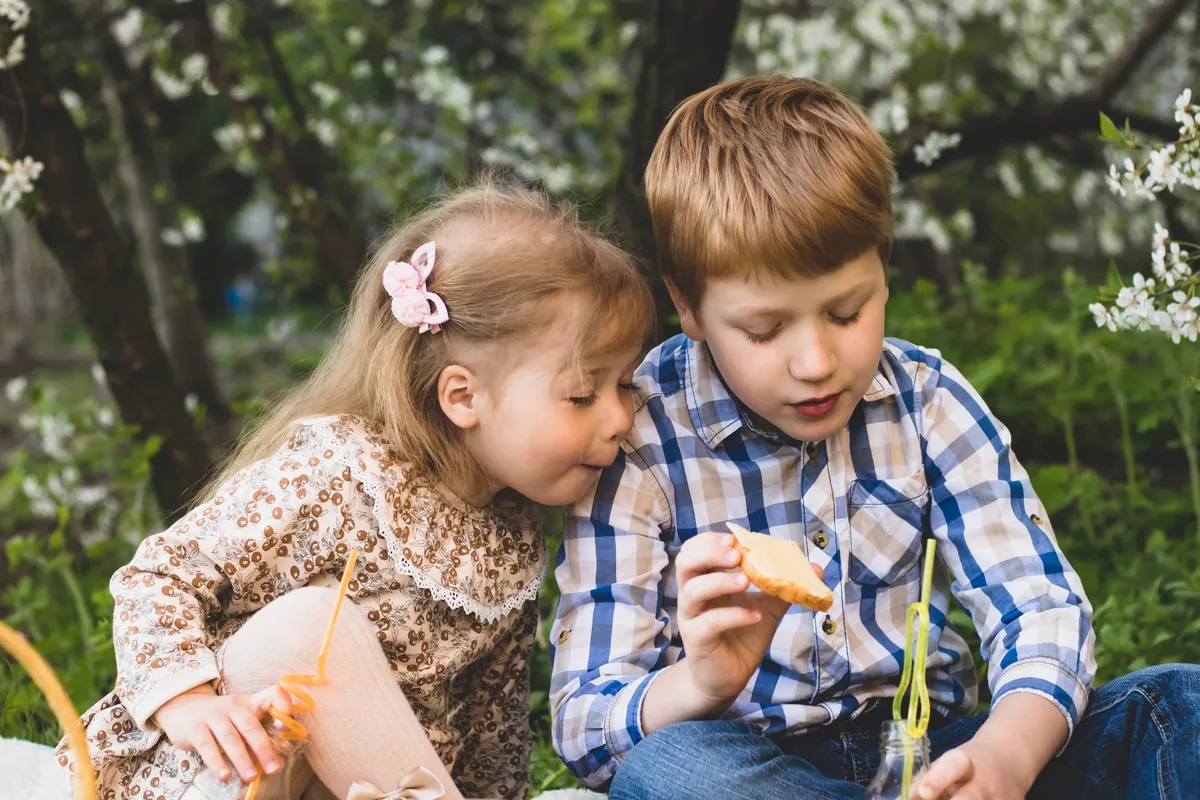
Key points: Having difficulties with sharing is a part of every child’s developmental process. Sharing is a fundamental skill that teaches compromise,
 Social & Emotional
Oops, I reinforced it again
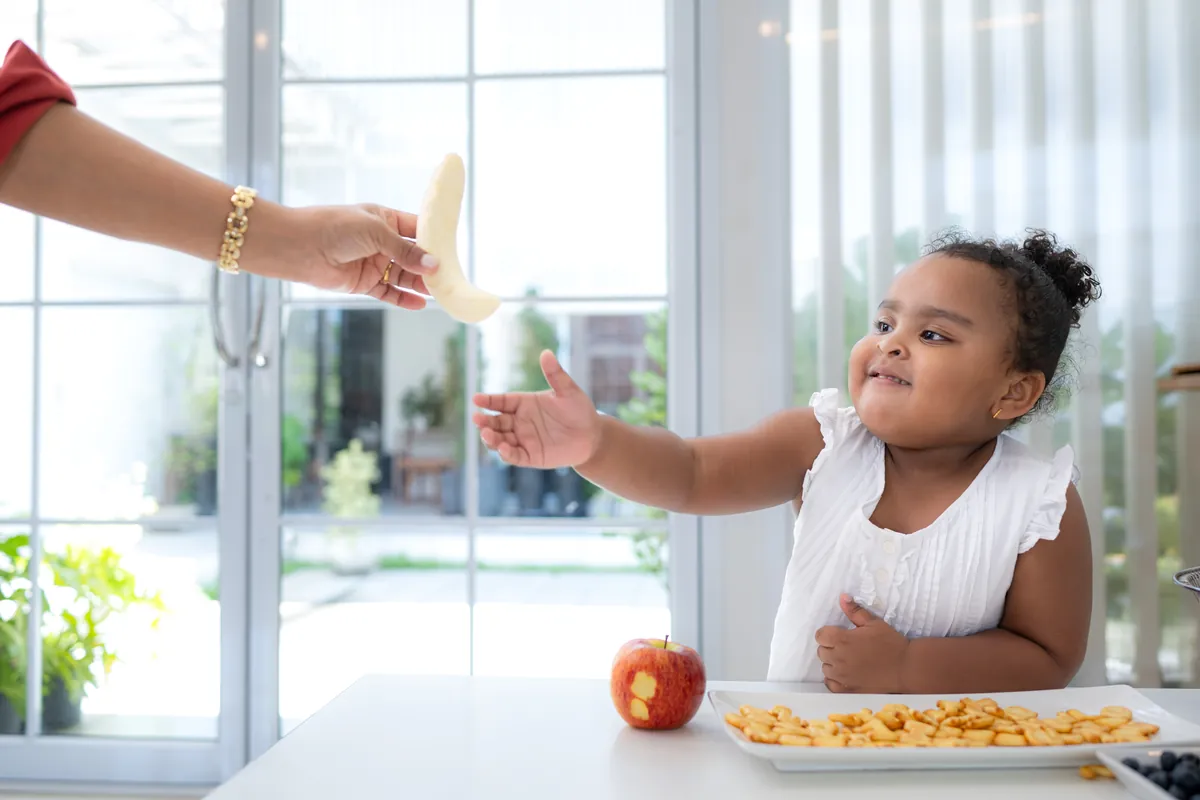
Key points: Children respond more to actions than words; what you do matters most. Reinforcing positive behaviors is crucial to change unwanted behavi
 Social & Emotional
Helping my kid learn to share
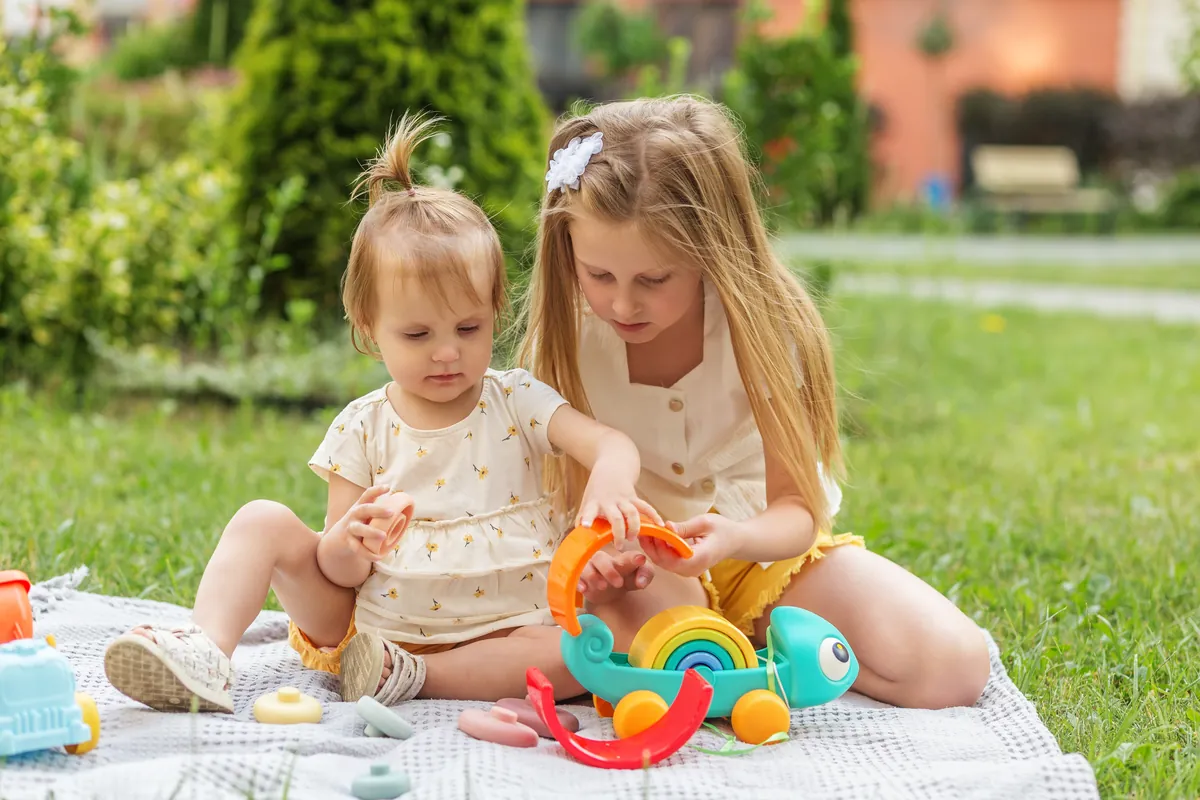
Key points: Sharing is a crucial developmental milestone for preschoolers’ social and emotional growth. Children need help to develop sharing skills,
 Social & Emotional
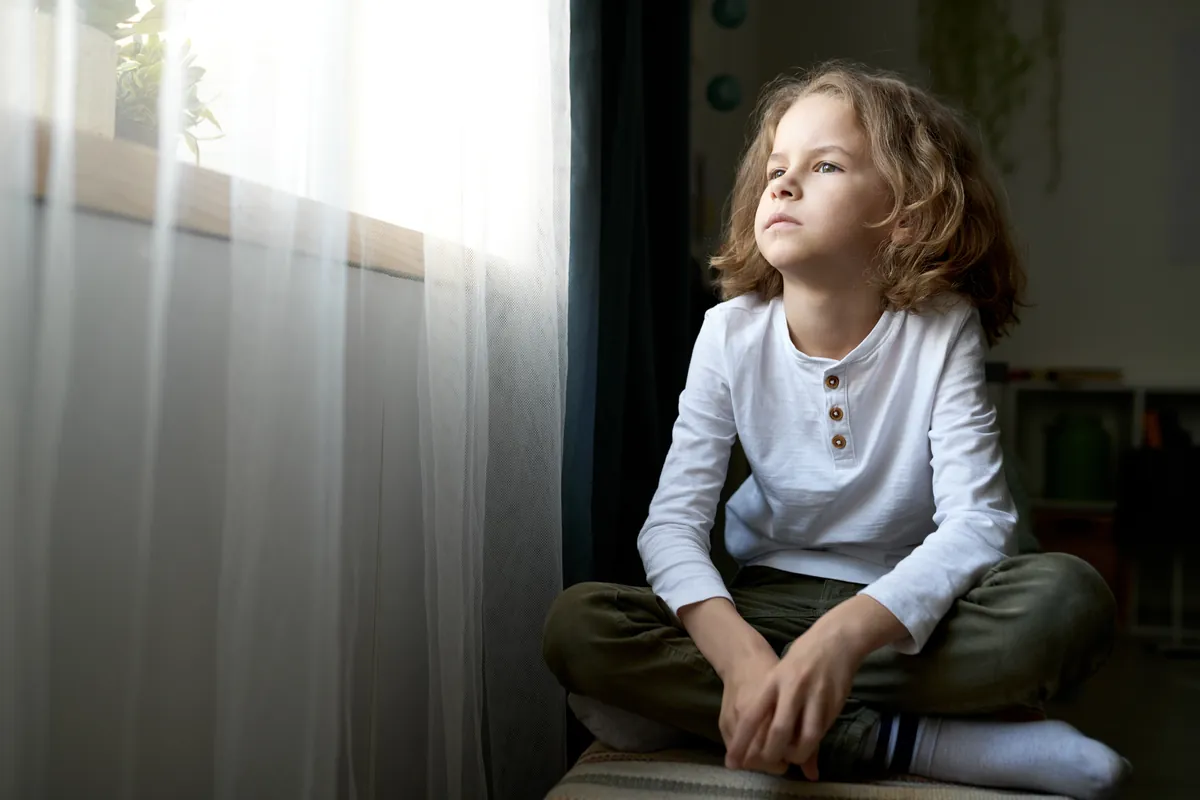
How can I help my child develop self-control and self-regulation?
Key Points: 1. Self-control and self-regulation are essential skills that children develop from birth and throughout their lives. These skills are cri
 Social & Emotional
Is your child overactive? You might want to read this!
Key points: 1. Allow your child to fidget to help them focus. 2. Outdoor activities boost attention and impulse control. 3. Calming music can create a
 Social & Emotional
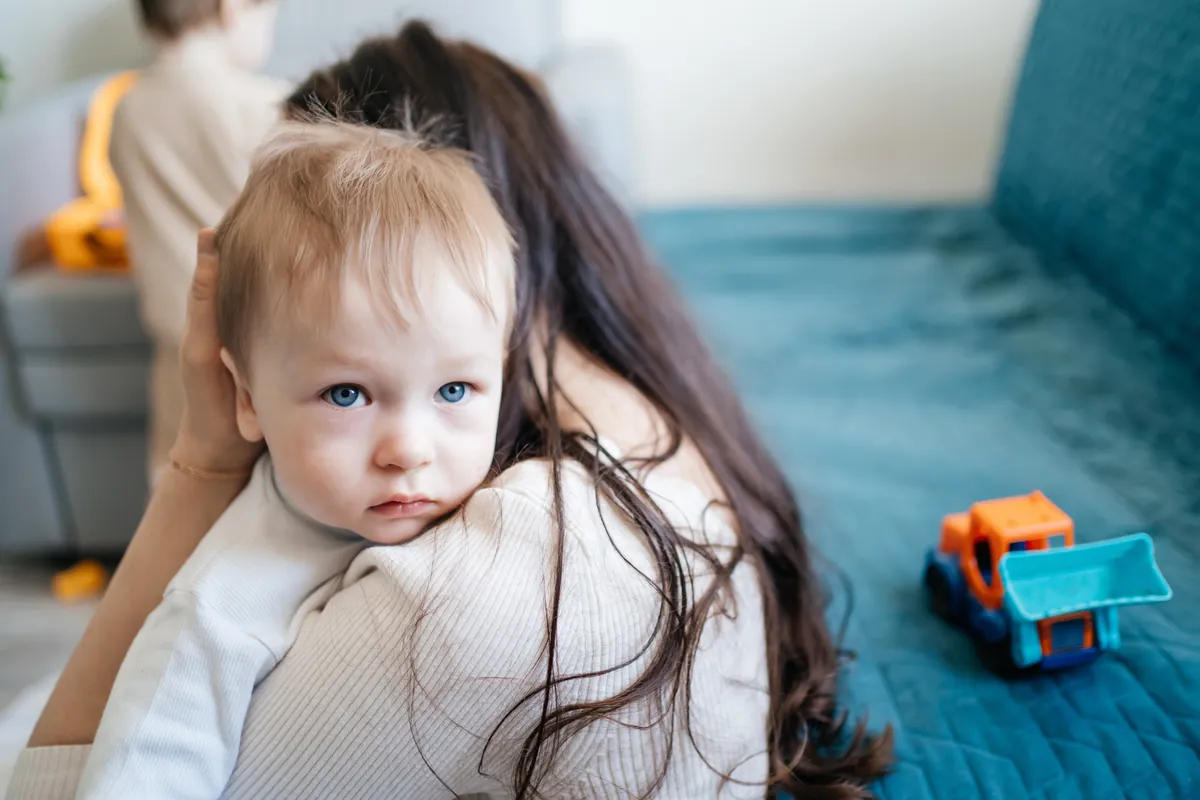
What are the outcomes for babies who are born bashful?
Key points: Introverted and bashful children are often confused, but they are different. Bashful children want to socialize but find it stressful, whi
 Social & Emotional
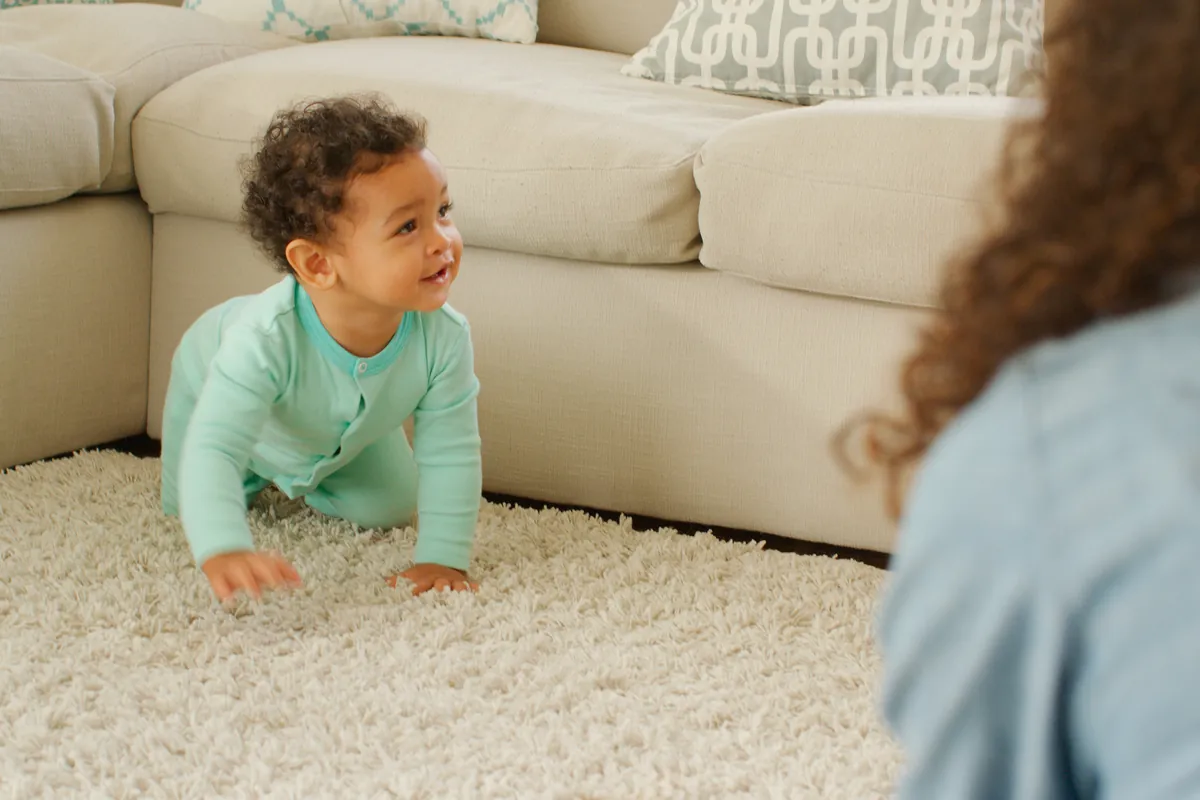
Why you should praise your child’s actions vs. their innate qualities
Key points: Parents tend to praise their children frequently, but not all types of praise benefit children in the same way. A study shows that toddler
 Social & Emotional
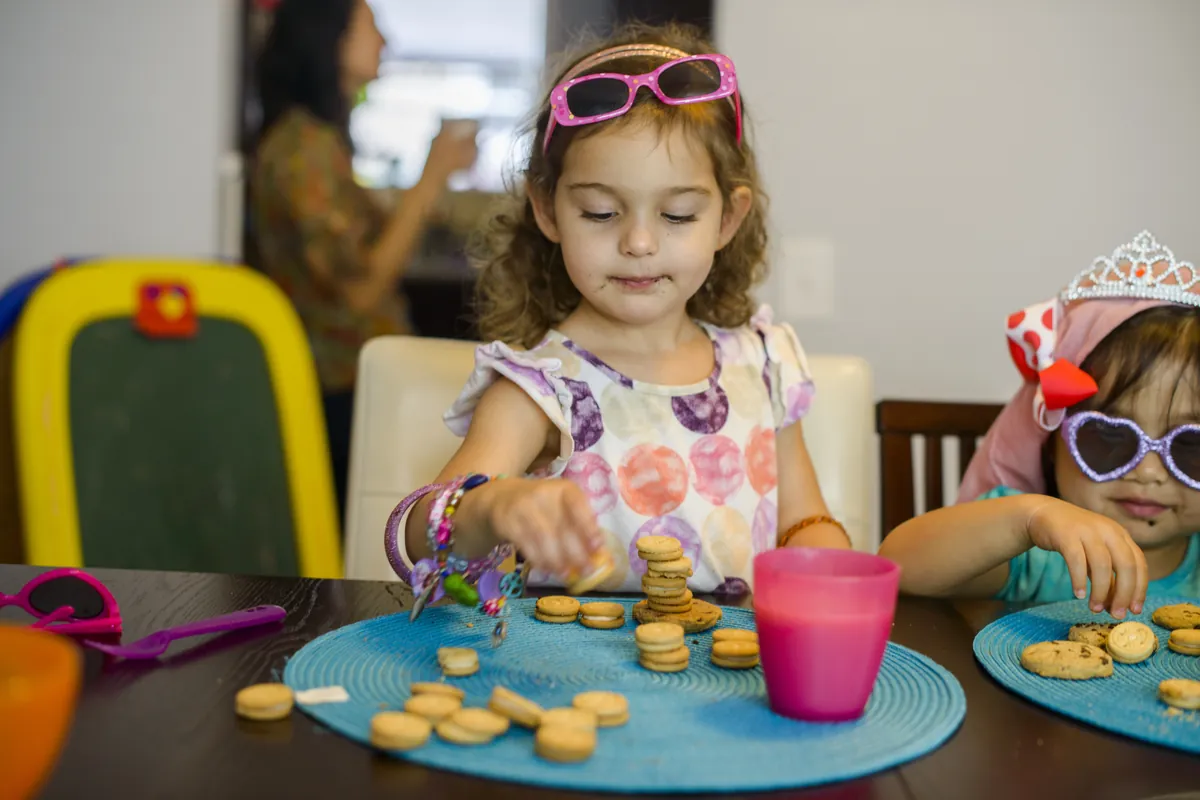
Playdates 101
Key points: Provides tips on organizing playdates for infants and toddlers, including finding suitable playmates and avoiding too much structure. Advi
 Social & Emotional
Why should you hold on to some parenting practices?
Key points: Human babies have been biologically programmed to respond to certain nurturing practices which are necessary for healthy brain development
 Social & Emotional
How can I strengthen my relationship romantically?
Key points: New parents tend to neglect their relationship with their partner due to the exhaustion of taking care of a newborn. Numerous studies show
 Social & Emotional
Why over-reactive parenting can negatively affect children?
Key points: Parents who overreact and get angry may not be helping their children control their emotions and be happy. Bandura’s Social Learning theor
 Social & Emotional
How to discipline a child?
Key points: Shifting from power-based discipline to collaboration can be a more effective way for parents to influence their children’s behavior posit
 Social & Emotional
How to deal with the “terrible twos”?
Key points: The “terrible twos” stage is a developmental phase, not solely tied to a specific age, where toddlers explore independence, test boundarie
 Social & Emotional
Affection or discipline? What do children need?
Key points: Parenting is not a one-size-fits-all task, as each child is unique, and life is full of unexpected experiences that shape our development.
 Social & Emotional
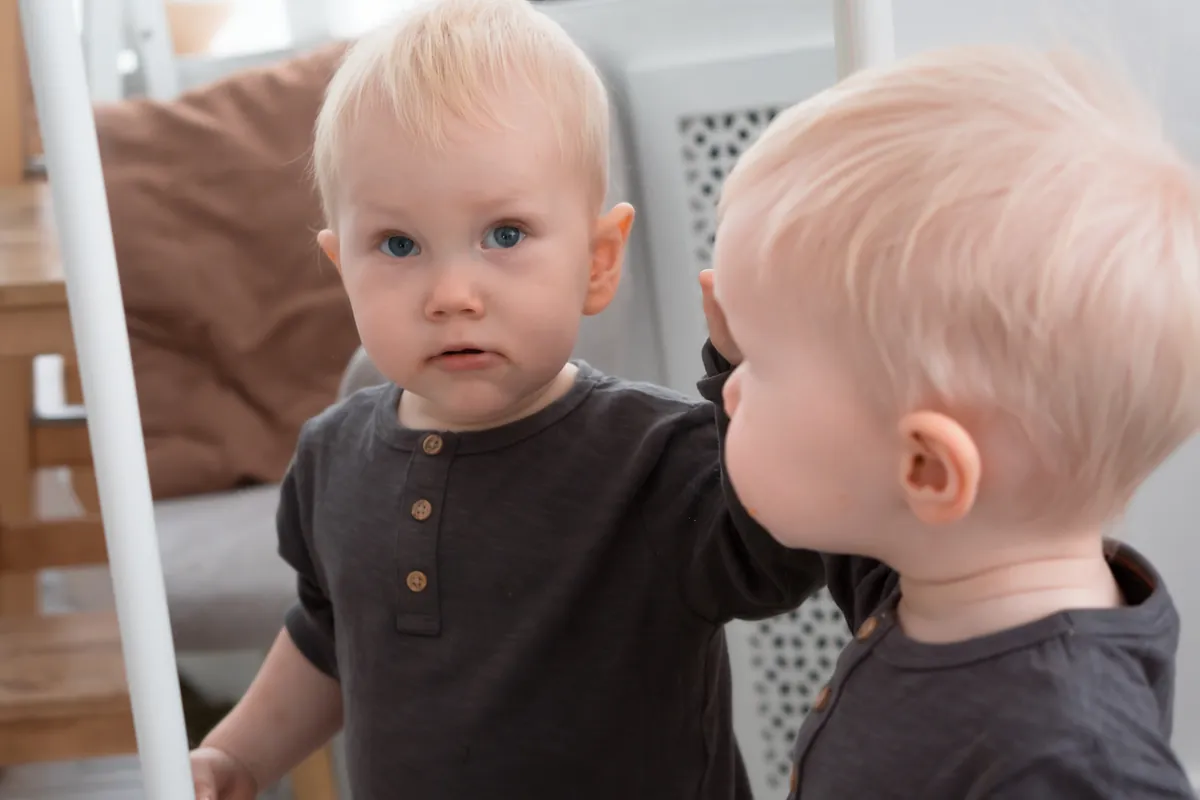
How to help your child develop a sense of self?
Key points: Babies are aware of their own bodies from birth, laying the foundation for self-awareness. Children typically begin responding to their na
 Social & Emotional
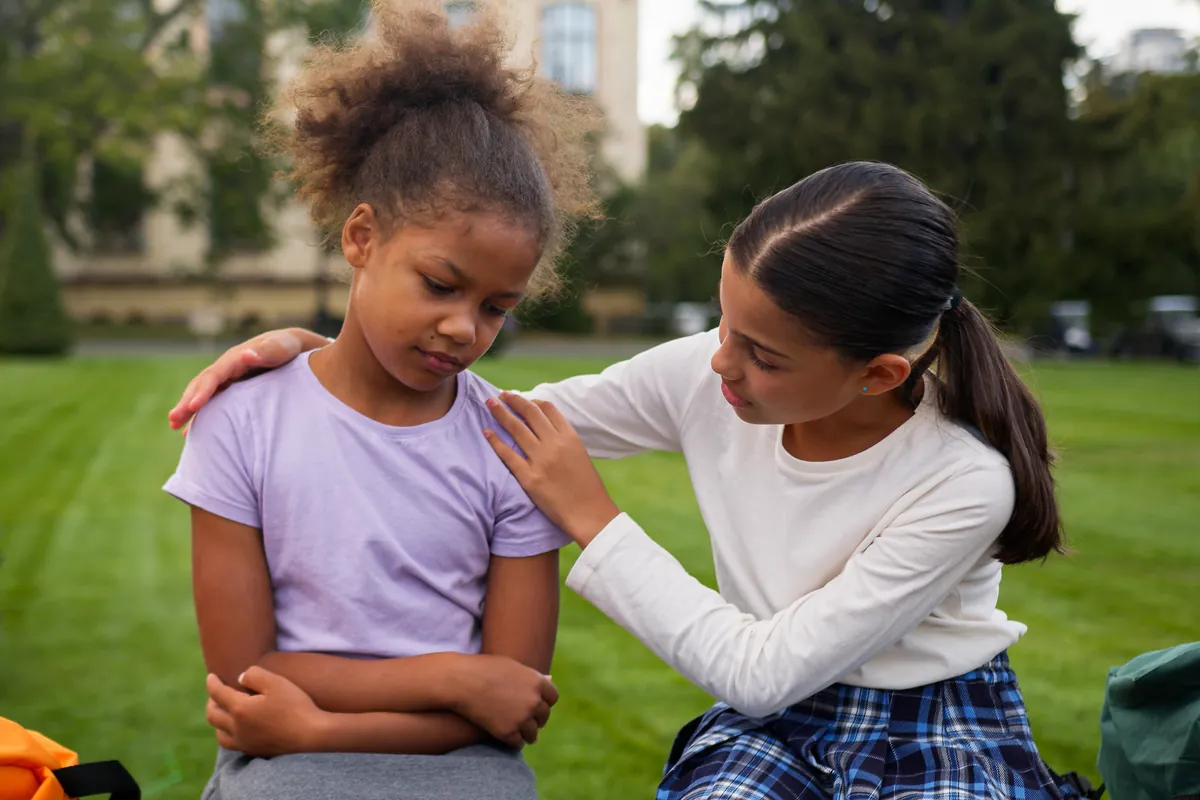
How to raise a sympathetic child
Key points: Kangaroo care involves skin-to-skin contact between a mother and her premature baby, promoting healthy development and potentially saving
 Social & Emotional
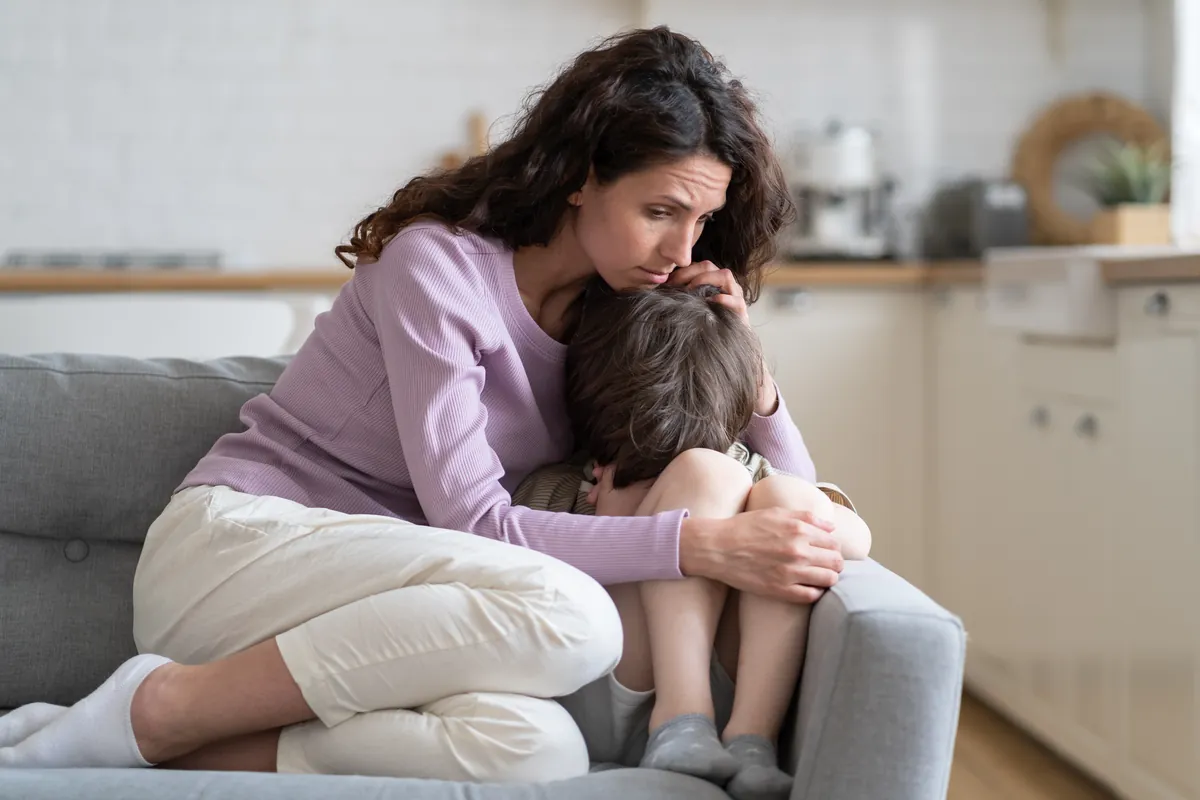
How to teach your child coping strategies?
Key points: Developing helpful coping strategies in children enhances resilience and reduces stress as they work through worries and challenges. Paren
 Social & Emotional
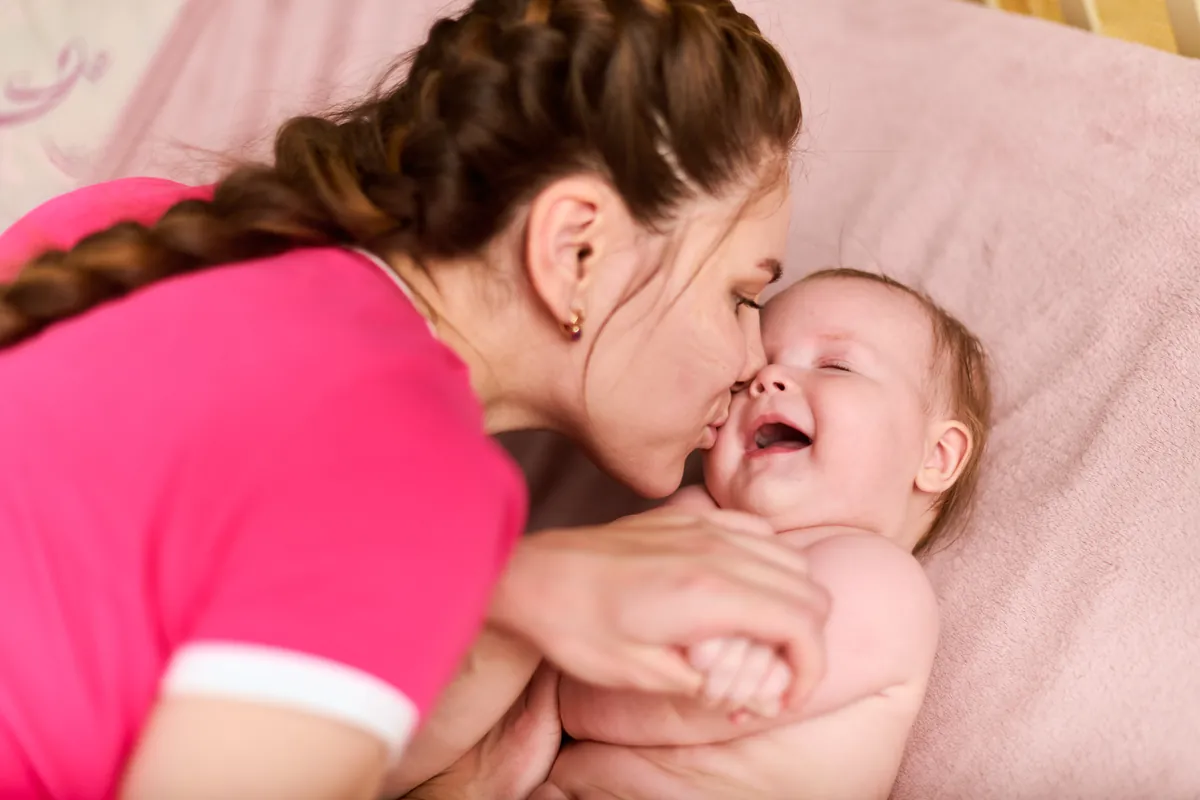
How to foster a secure attachment in your baby?
Key points: The quality of early attachments significantly affects how people form and maintain social relationships throughout life. There are four m
 Social & Emotional
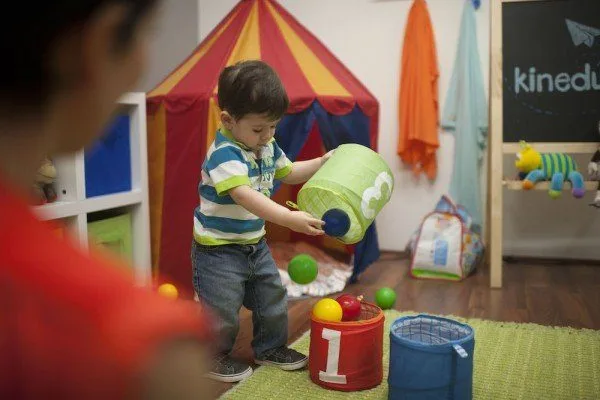
Independent Play: Benefits and How to promote it
Key Points: Independent play helps toddlers develop creativity and critical-thinking skills, giving parents a break. Encourage independent play gradua
 Social & Emotional
How can I foster a positive body image in my child?
Key points: 1. Your actions and words influence your child’s body image. 2. Avoid negative comments about bodies. 3. Compliment actions and qualities,
 Social & Emotional
How to deal with separation anxiety
Key points: 1. Separation anxiety is triggered by object permanence. 2. Introduce caregivers early to ease anxiety. 3. Say goodbye to establish a cons
 Social & Emotional
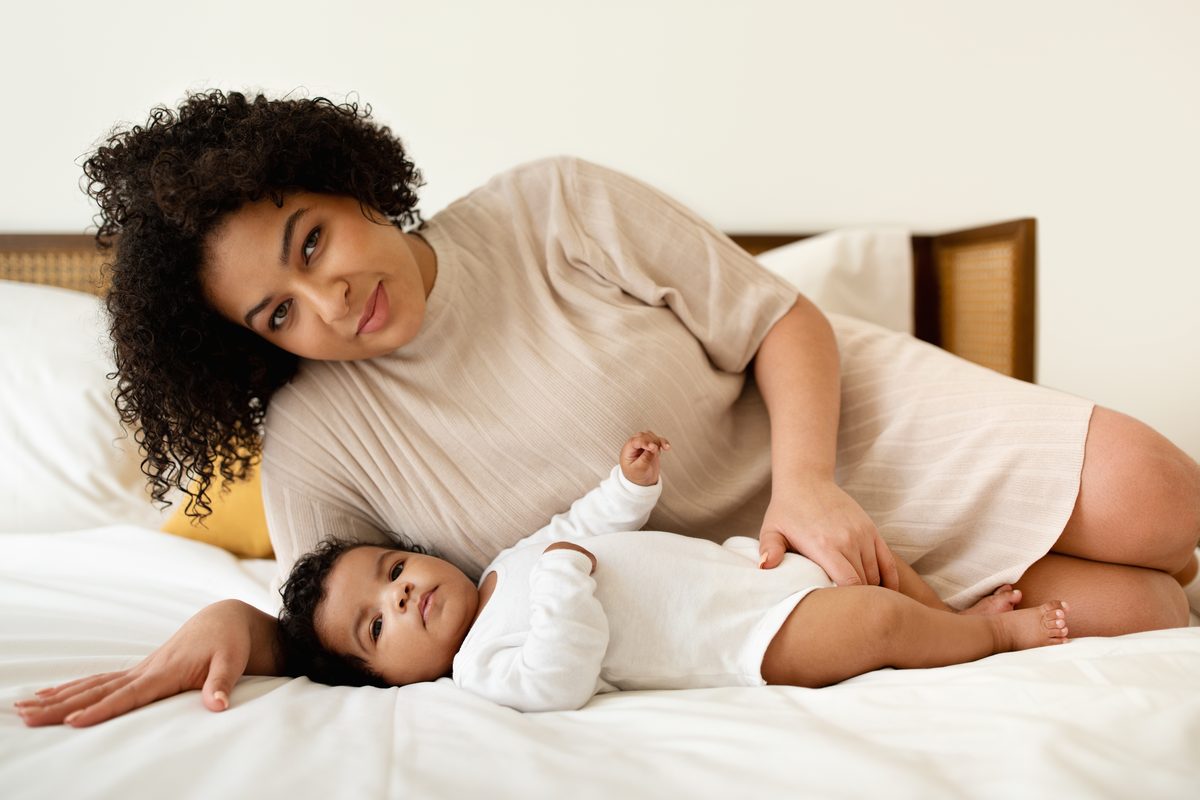
Guidelines for a new mom
Key points: Intelligence and talent can be developed through effort and perseverance. Success encompasses not only academic skills but also essential
 Social & Emotional
How to teach good manners at home
Key points: 1. Fostering sensitivity in your child promotes good manners and respect. 2. Demonstrate good manners through your actions to set an examp
 Social & Emotional
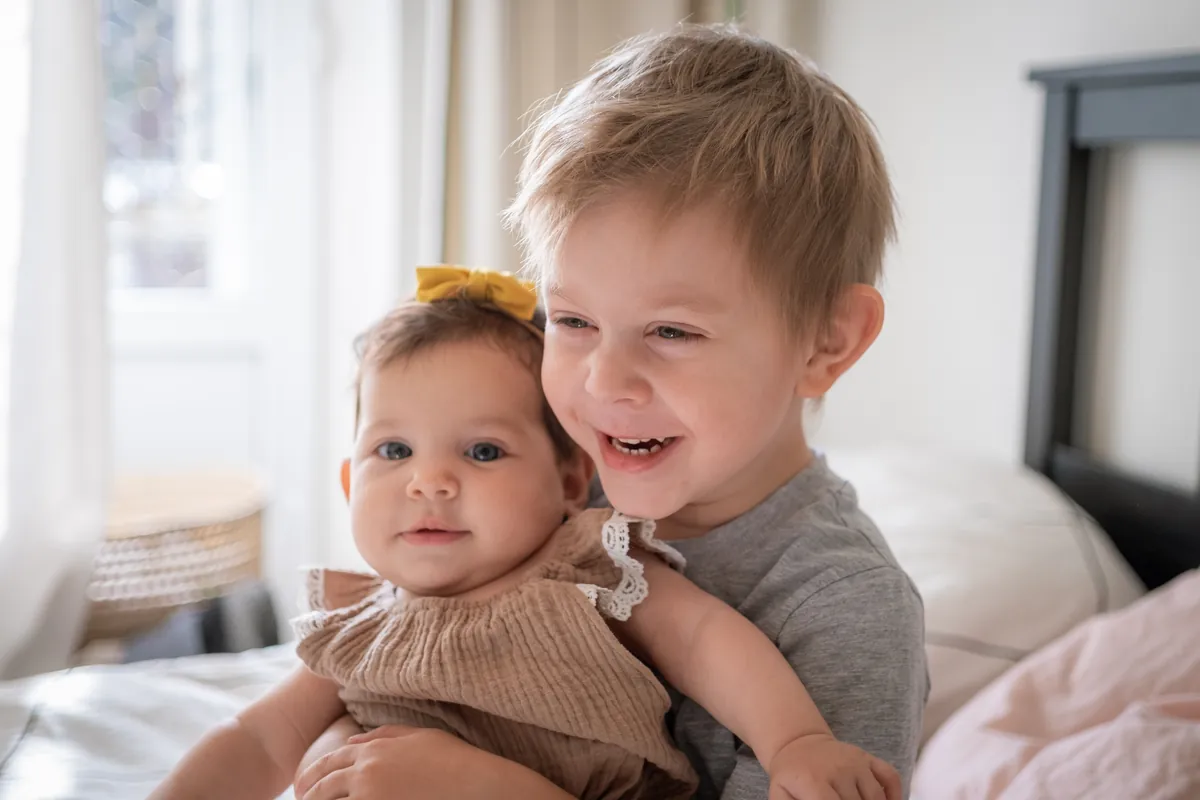
Why is social and emotional development vital for kids?
Key points: 1. Social and emotional development is a better predictor of success than IQ. Studies show emotional control leads to better outcomes. 2.
 Social & Emotional
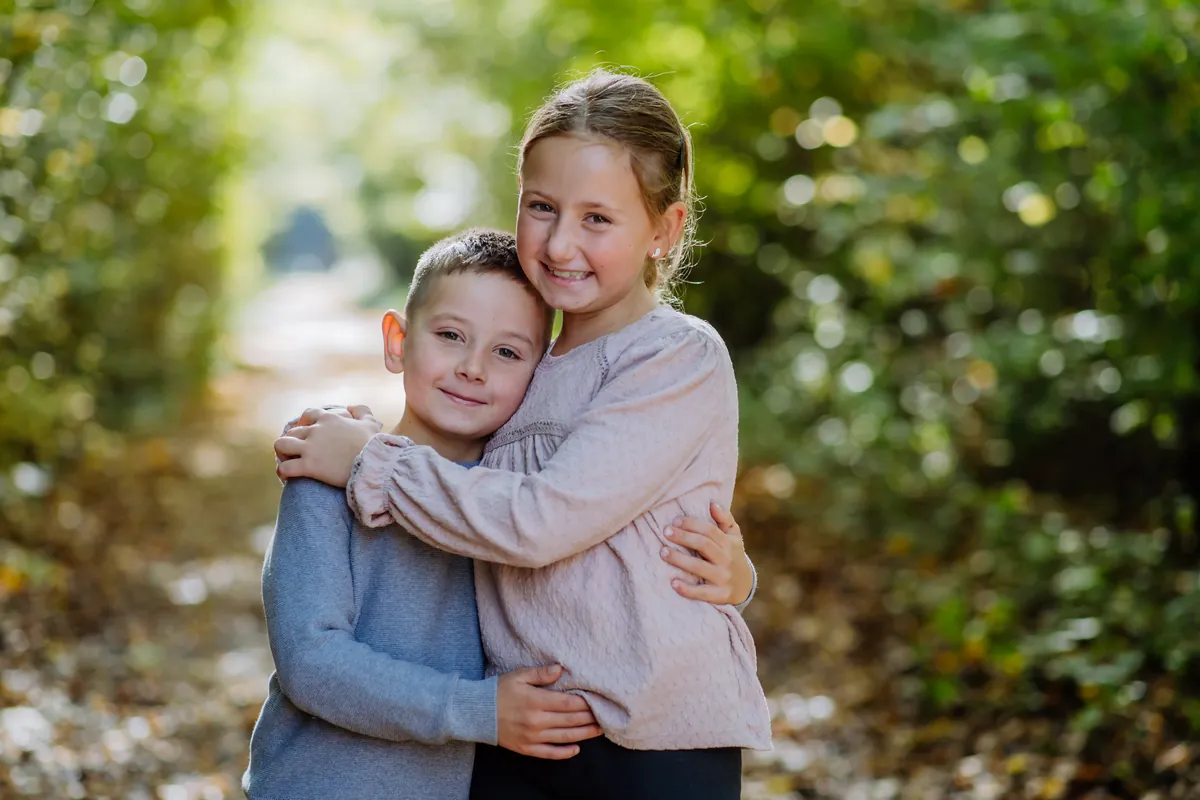
How to raise caring children
Key Points: Strive to develop loving relationships with your children to make them more receptive to what parents teach them. Be a strong moral role m
 Social & Emotional
Why being a dad is completely awesome!
Being a dad is awesome! And although those first few days (or months) were a bit hard, you always knew that everything was worth it. Being a dad is th
 Social & Emotional
Why being a mom is completely awesome!
As a mother, you probably know all the struggles that parents face, but the truth is that, despite all the chaos the day brings, being a mother is one
 Social & Emotional
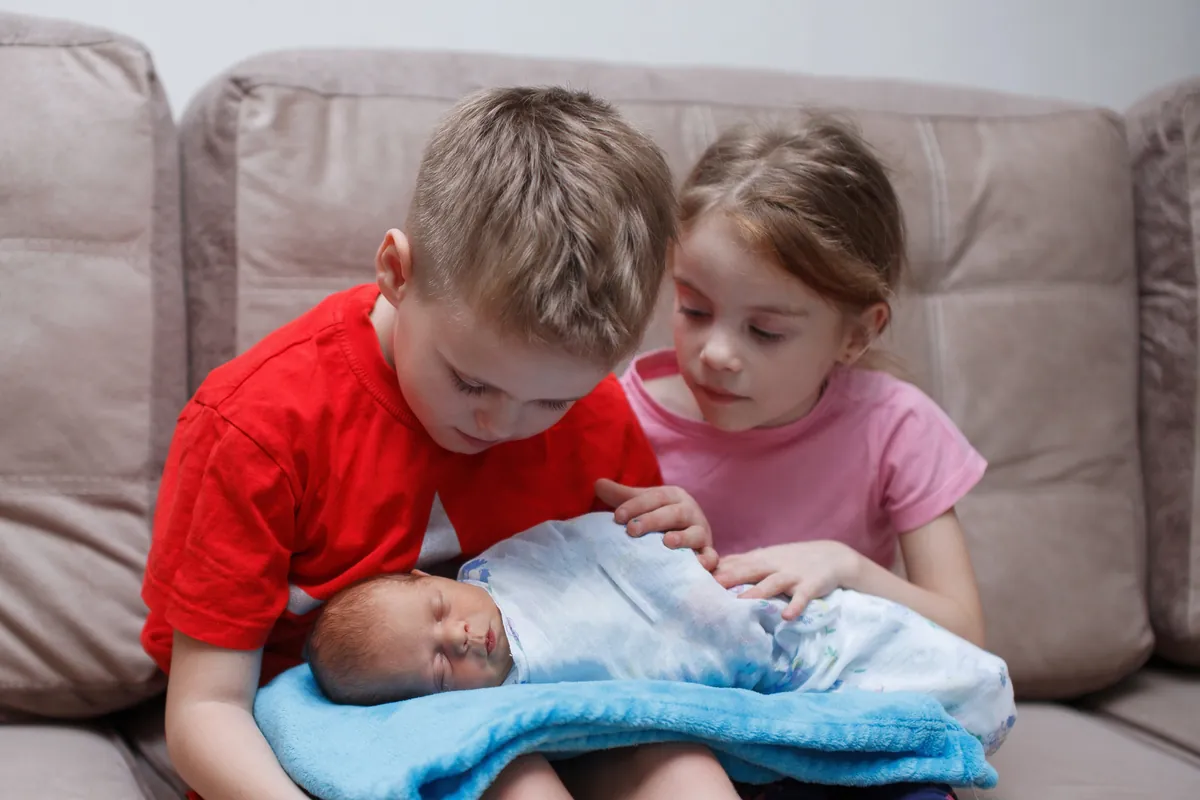
How to prepare my child for a new sibling
Key points: 1. Inform your older child about your pregnancy early on, ensuring they hear it from you. 2. Address significant changes in your toddler’s
 Social & Emotional
How to develop a baby’s social skills
Key Points: Developing social skills is important for babies, as positive relationships with others can help them develop empathy, trust, and compassi
 Social & Emotional
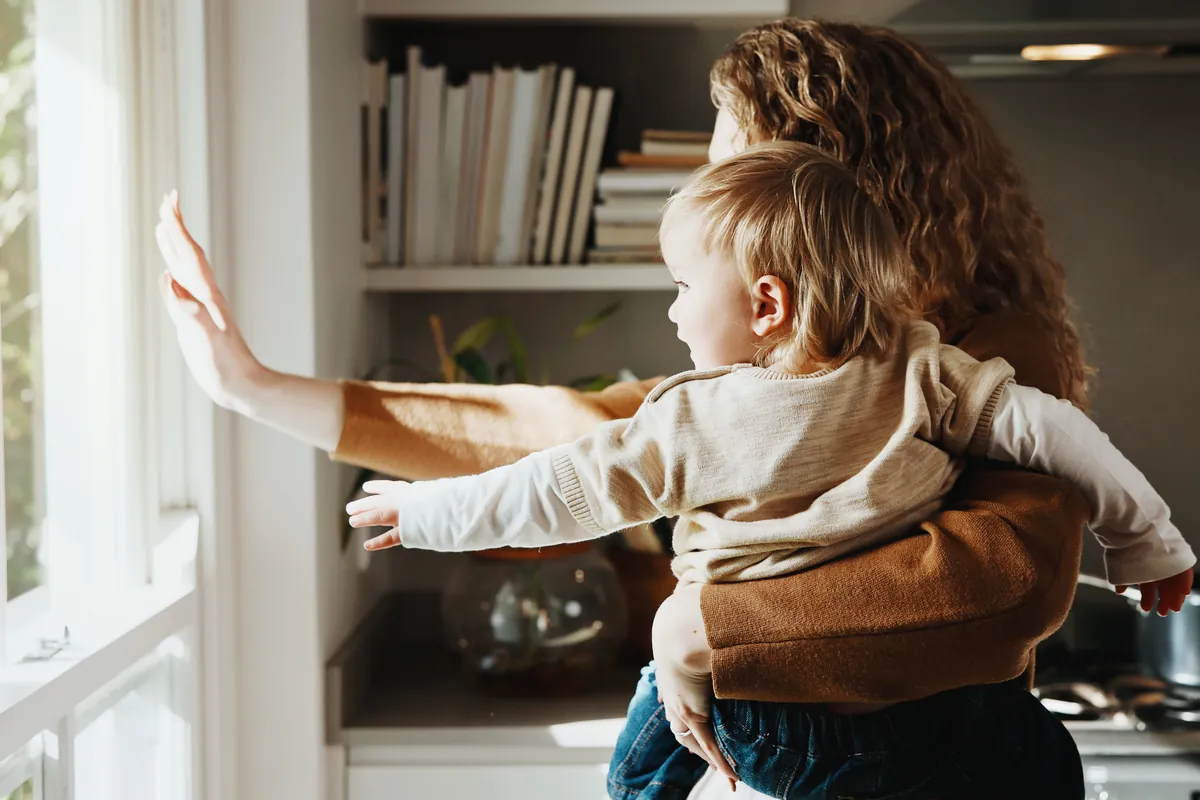
How to work on separation anxiety
Key points: 1. Most babies experience separation anxiety around their first birthday, a natural part of early childhood. 2. Babies develop object perm
 Social & Emotional
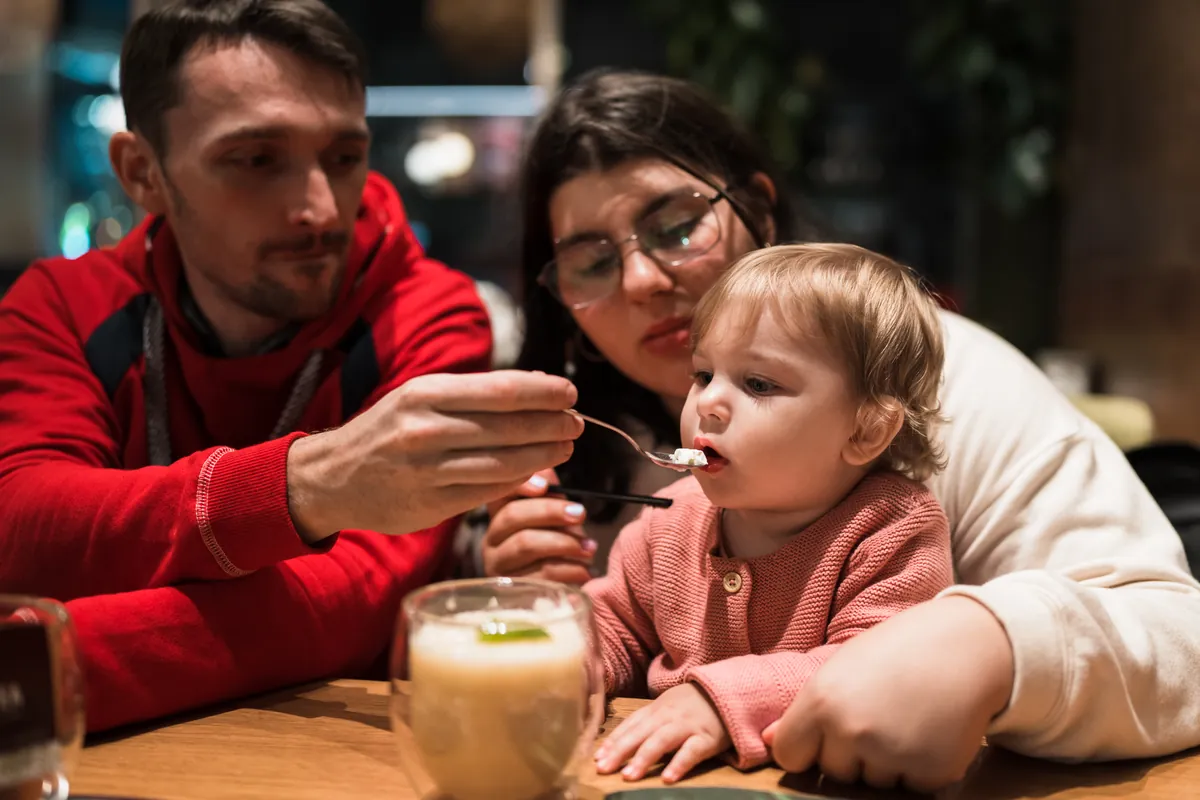
Surviving dinning out with your toddler
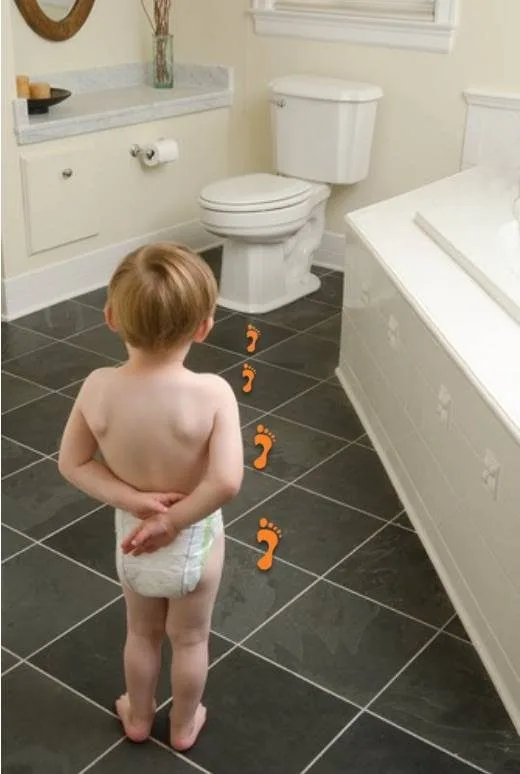
Eating out with a young child can be challenging due to the unfamiliar environment and sounds of busy restaurants. Planning ahead can make dining out with a…
 Social & Emotional
My young kid’s birthday party
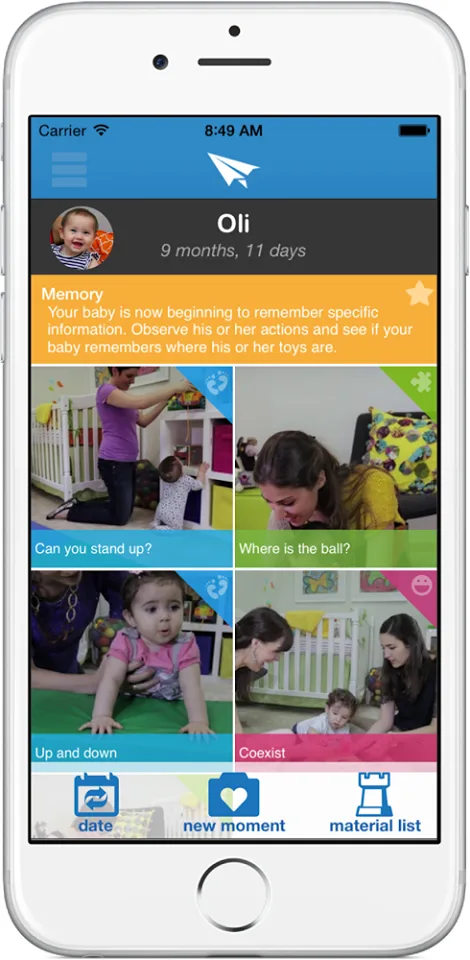
Celebrating a toddler's birthday should be simple and fun, with minimal fuss. Guest lists should consist mostly of well-known and liked adults, with one…
 Social & Emotional
Teaching kindness towards animals and developing empathy
Toddlers and pre-kindergarten children often inadvertently behave in ways that are not kind to animals, but early education about kindness to animals can…
 Social & Emotional
Playdates: tips for having problem-solving and relationship-building ones
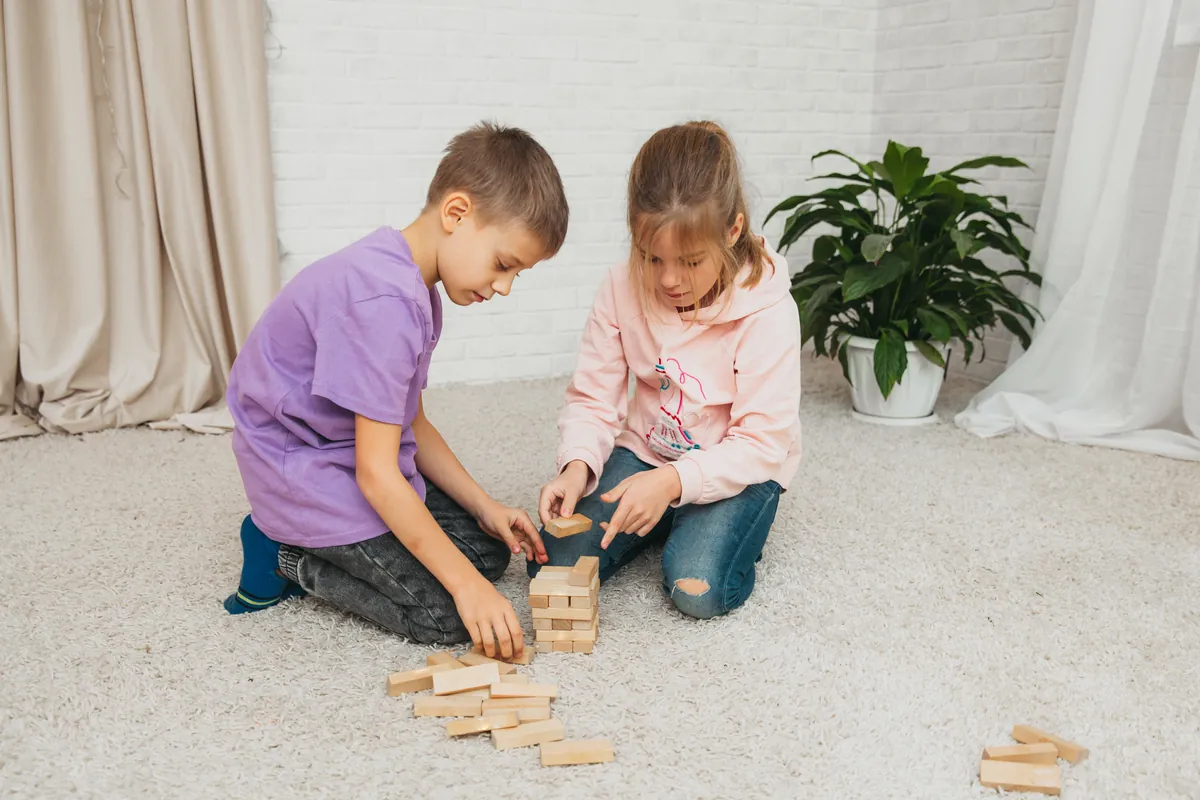
Playdates provide important opportunities for children to practice and develop social and emotional skills alongside their peers. To make playdates…
 Social & Emotional
It’s never too early to reap the emotional benefits of exercise!
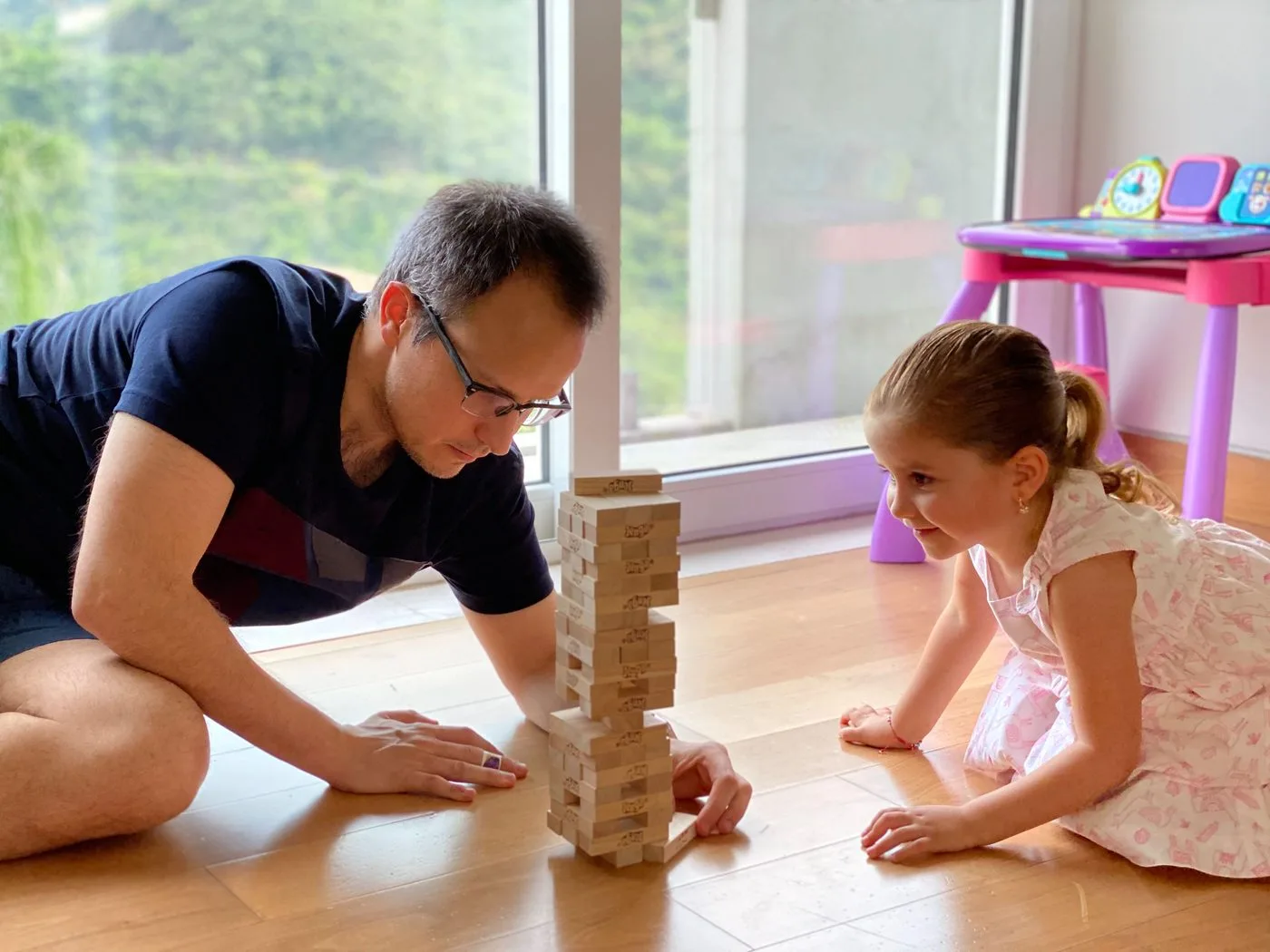
Daily physical activity, recommended by organizations like the American Academy of Pediatrics, provides emotional benefits for children, including stress…
Social & EmotionalThe important role of visual-spatial skills in independent feeding
Independent feeding involves more than just muscular strength; it heavily relies on a child's visual-spatial ability to process the location of food and…
 Social & Emotional
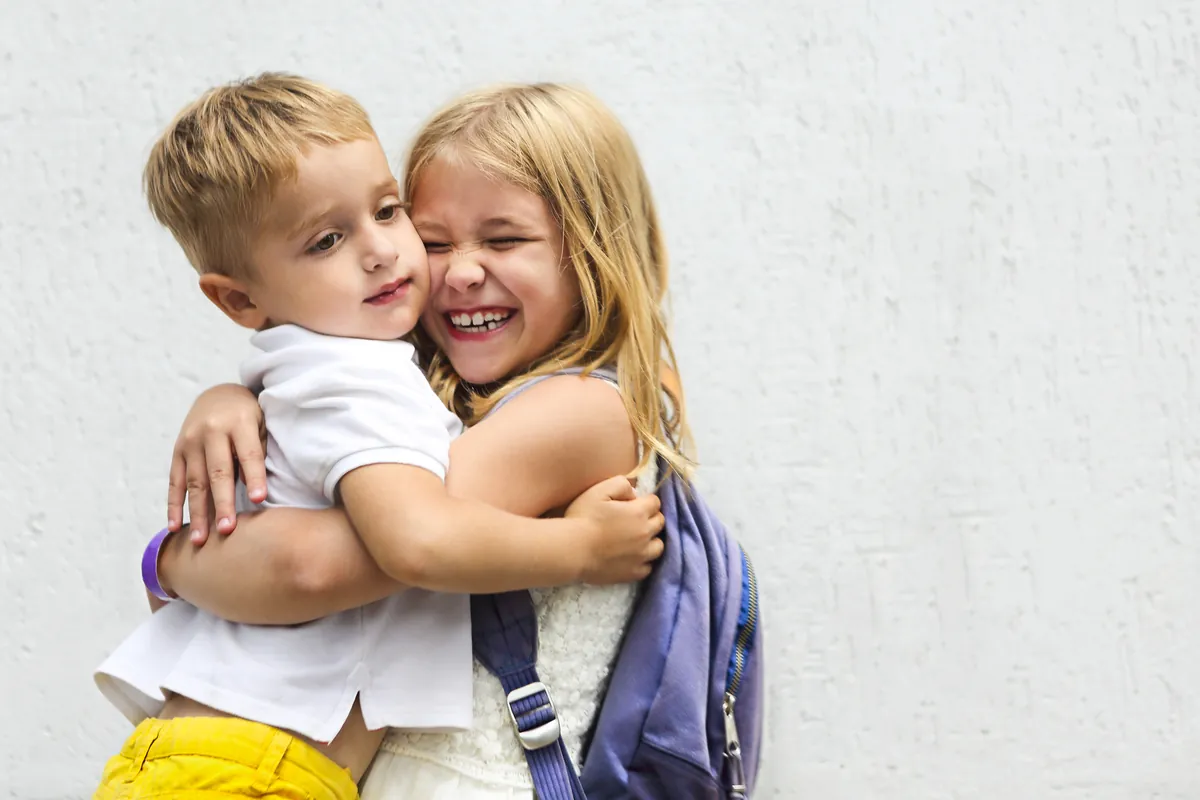
Why is friendship important for my child’s socio-emotional development?
Interacting with peers is crucial for social and emotional development, helping children learn social skills such as sharing, taking turns, cooperating, and…
 Social & Emotional
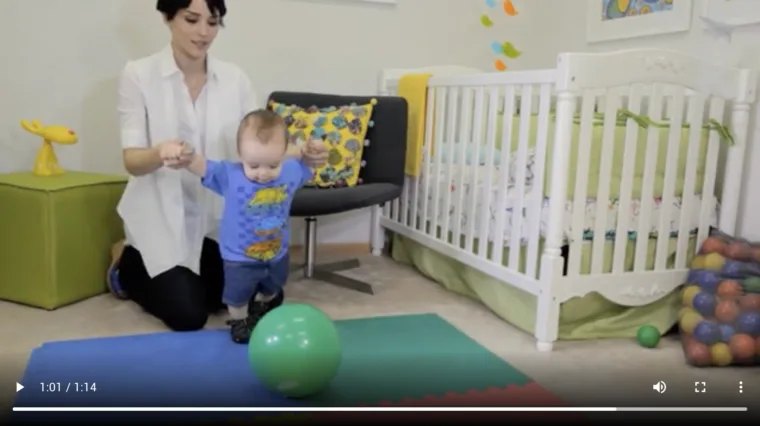
What can I expect in the social and emotional development of my 3-year-old child?
Around 36 months, children reach a significant stage in social and emotional development, demonstrating increased interest in interacting with peers,…
Social & EmotionalHow can I involve my toddler in household tasks?
It's possible to raise a responsible child as early as 3 years old by assigning simple and safe household chores that align with their cognitive and physical…
 Social & Emotional
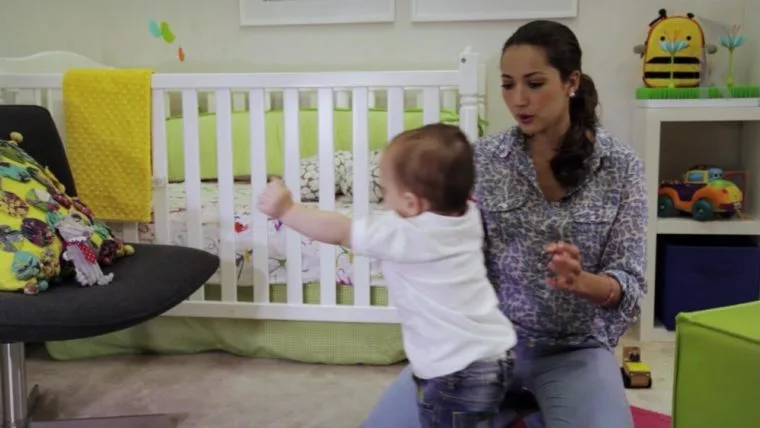
Tips on how to foster good parent-child communication
Some research shows that parents spend less than 40 minutes daily in conversation with their child, emphasizing the need for effective communication.…
 Social & Emotional
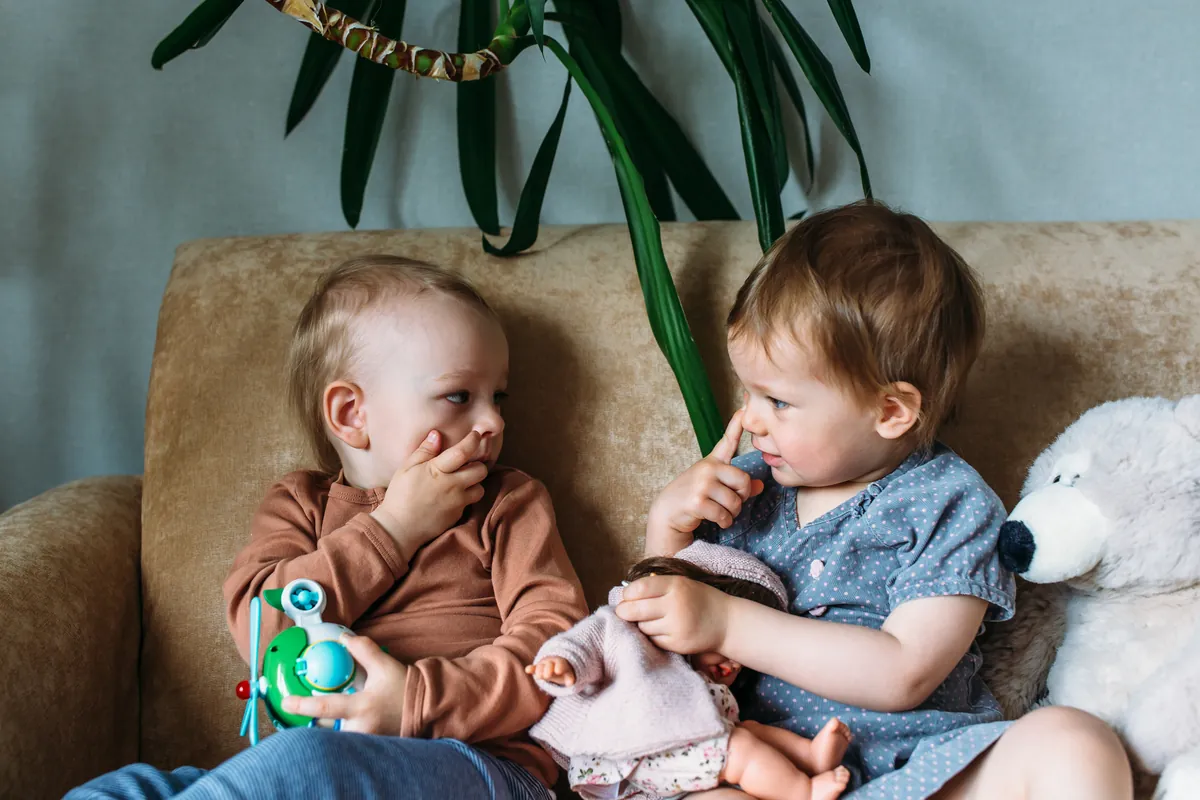
How can I help my toddler navigate and solve conflicts with their friends?
Occasional conflicts between toddlers are normal and vital for socio-emotional development. Tips for conflict management include positive role modeling,…
 Social & Emotional
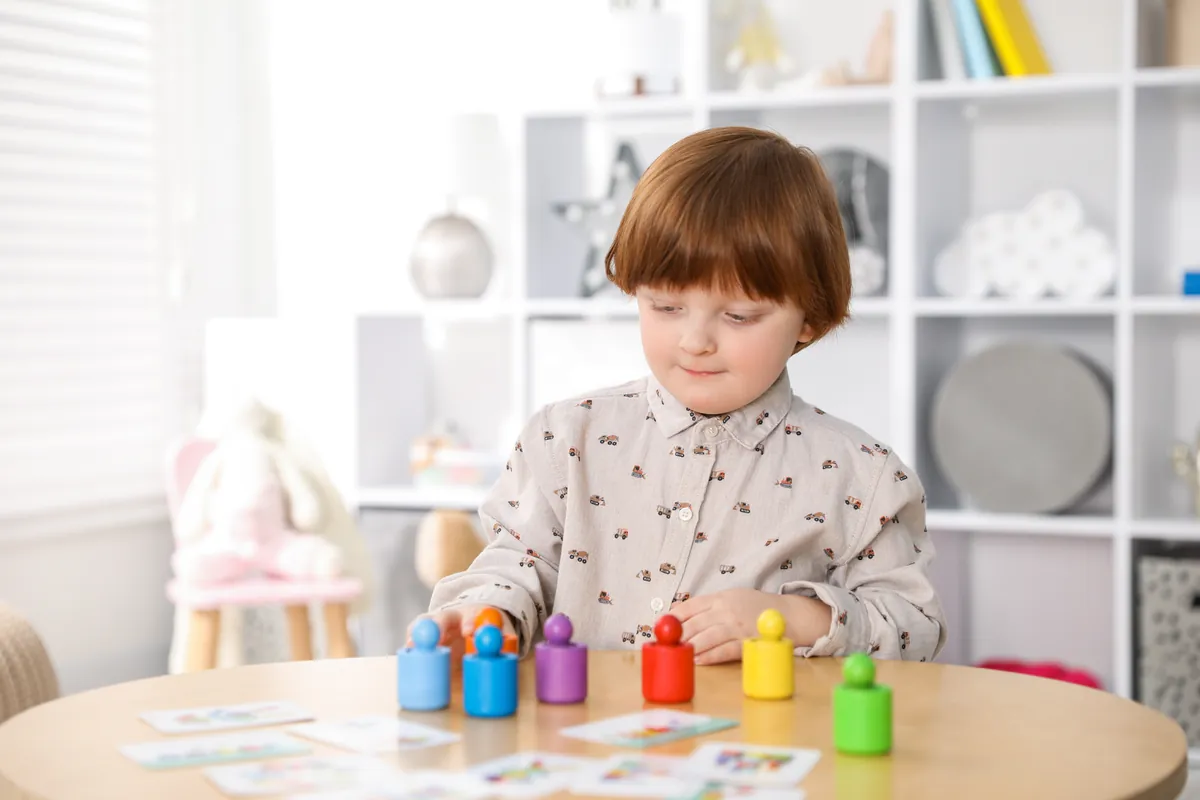
Can my child start eating independently and tackle new milestones?
Encourage pouring liquids using a cup from a pitcher. Support using fingers and hand to handle a fork and pick up soft foods, directing them into the mouth.…
Social & EmotionalNurturing honesty in preschoolers
Lying is a normal behavior for preschoolers as they learn social and emotional skills. Preschooler lies are often not malicious and stem from various reasons…
 Social & Emotional
My little one wants to choose what to wear
Preschoolers express a need for independence, often visible in clothing choices. Allowing children to choose their clothes promotes safe self-expression and…
 Social & Emotional
How to make new foods appealing to my preschooler?
Consider your child's developmental stage and preferences when introducing new foods. Engage your child in the process: read about the new food, involve them…
 Social & Emotional
How to communicate in a way that fosters your child’s socio-emotional skills?
Effective communication at ages 2-4 is crucial for a child's social and emotional development. Modeling problem-solving through positive communication is…
 Social & Emotional
Tips for actively listening to your preschooler
Effective communication shapes your child's personality and future relationships. Active listening is crucial for your child's social and emotional…
 Social & Emotional
The impact of self-awareness skills
Self-awareness skills are important for children as they develop and grow. These skills help children to understand and regulate their own emotions, as well…
Social & EmotionalHow can I know if my child is self-aware?
The question of when, why, and how children become self-aware has been a crucial inquiry for developmental psychology. Psychologist and researcher Daniel…
 Social & Emotional
Why does my child say "no" all the time?
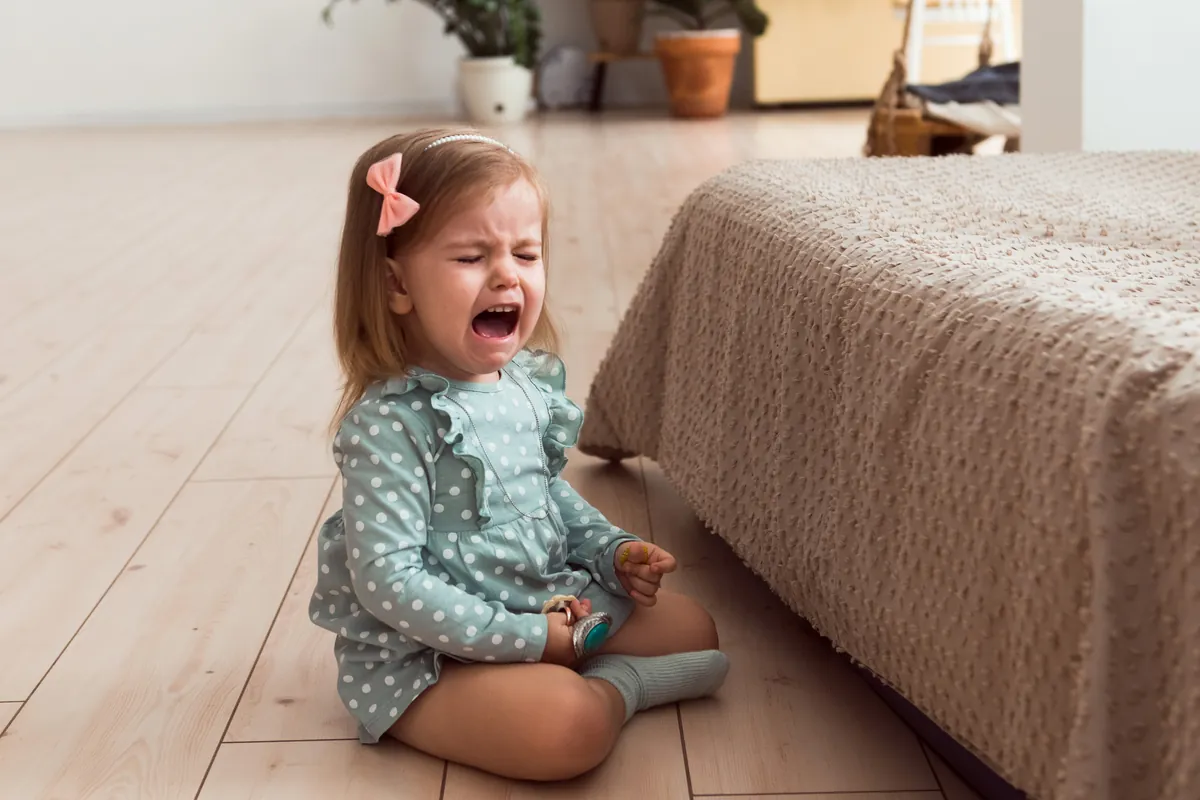
Children are exploring the concept of "personhood" and striving to establish themselves as independent individuals during their toddlerhood and preschool…
 Social & Emotional
How can I deal with my child's defiance?
Defiance is a common marker of a child's social and emotional development between 2 and 4 years old. Parents can respond to defiance in a nurturing way by…
 Social & Emotional
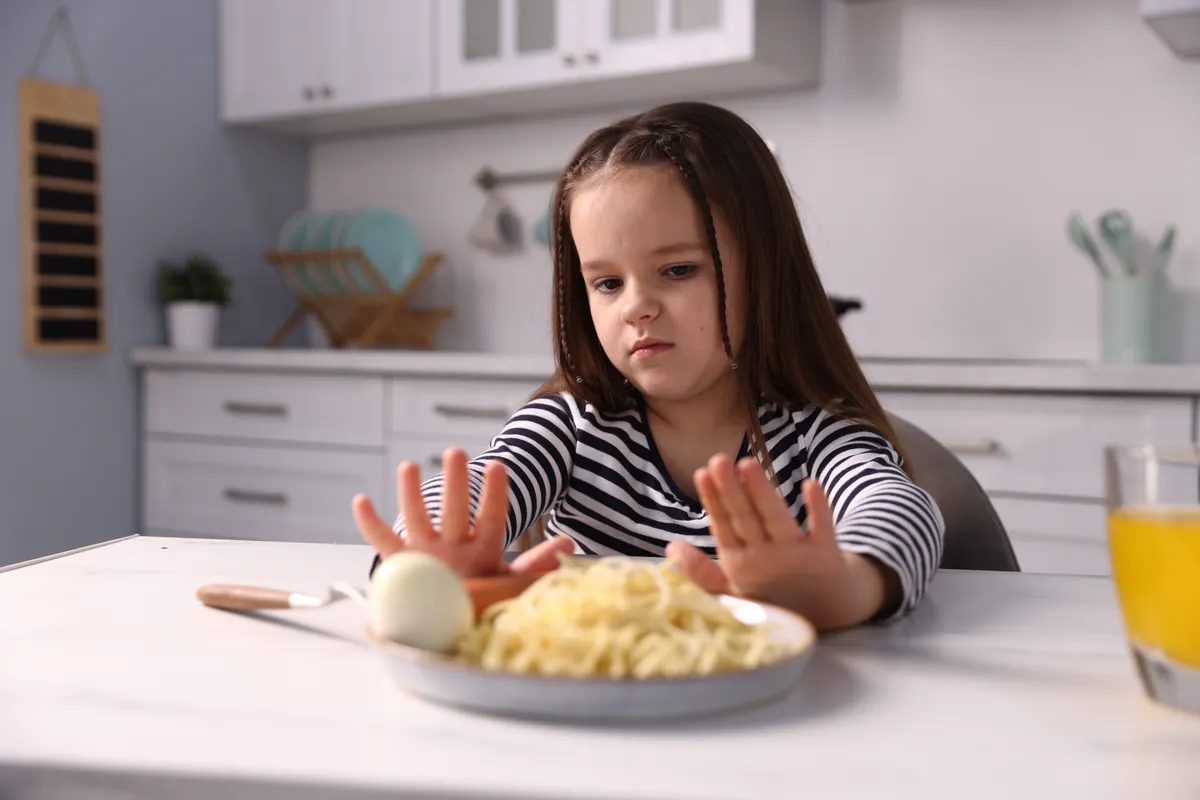
Stating independence at the table: tips for picky eating
Children may appear picky around food due to exploring boundaries and limits, taste preferences, or difficulties with trying new things. American Academy of…
 Social & Emotional
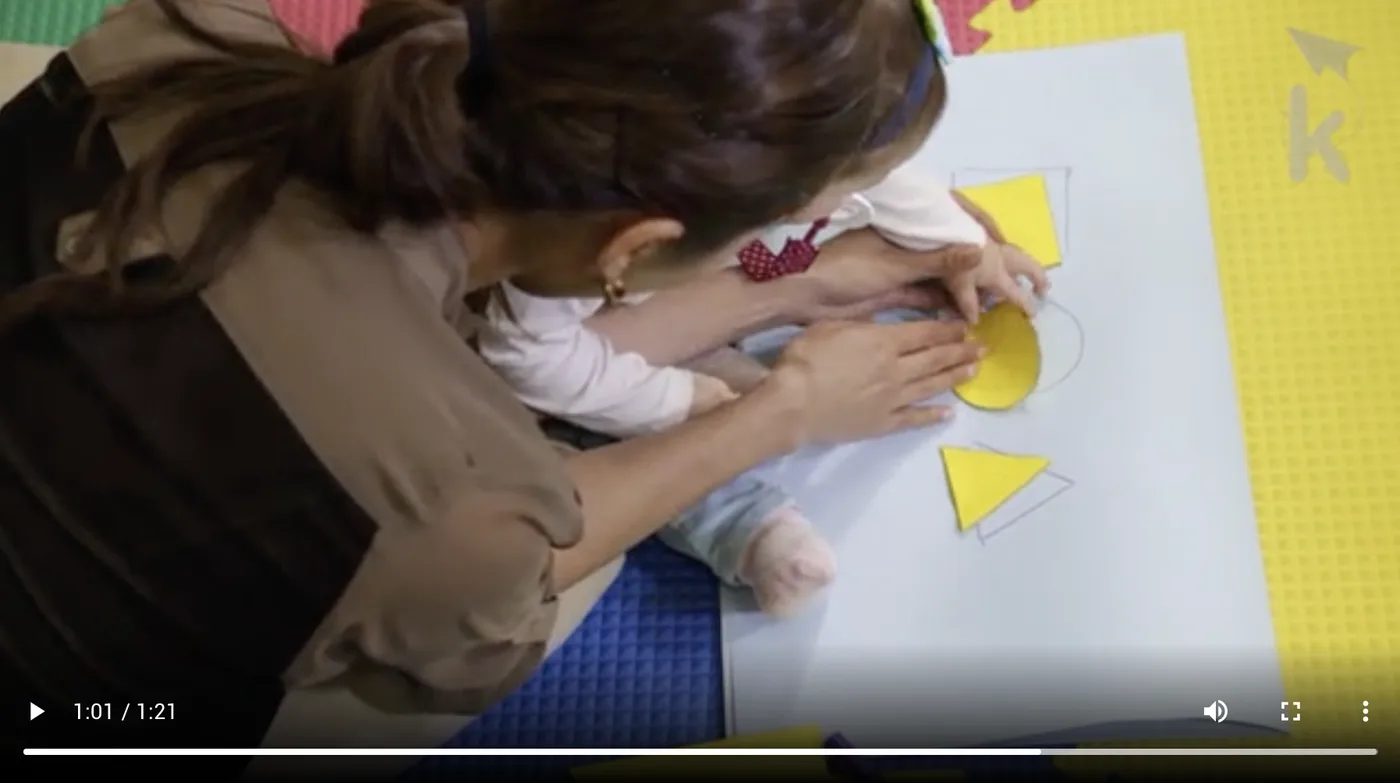
How to practice positive parenting at home
Matthew Sanders' research in 1999 provided practical strategies for children's social and emotional development. Positive parenting strategies for…
 Social & Emotional
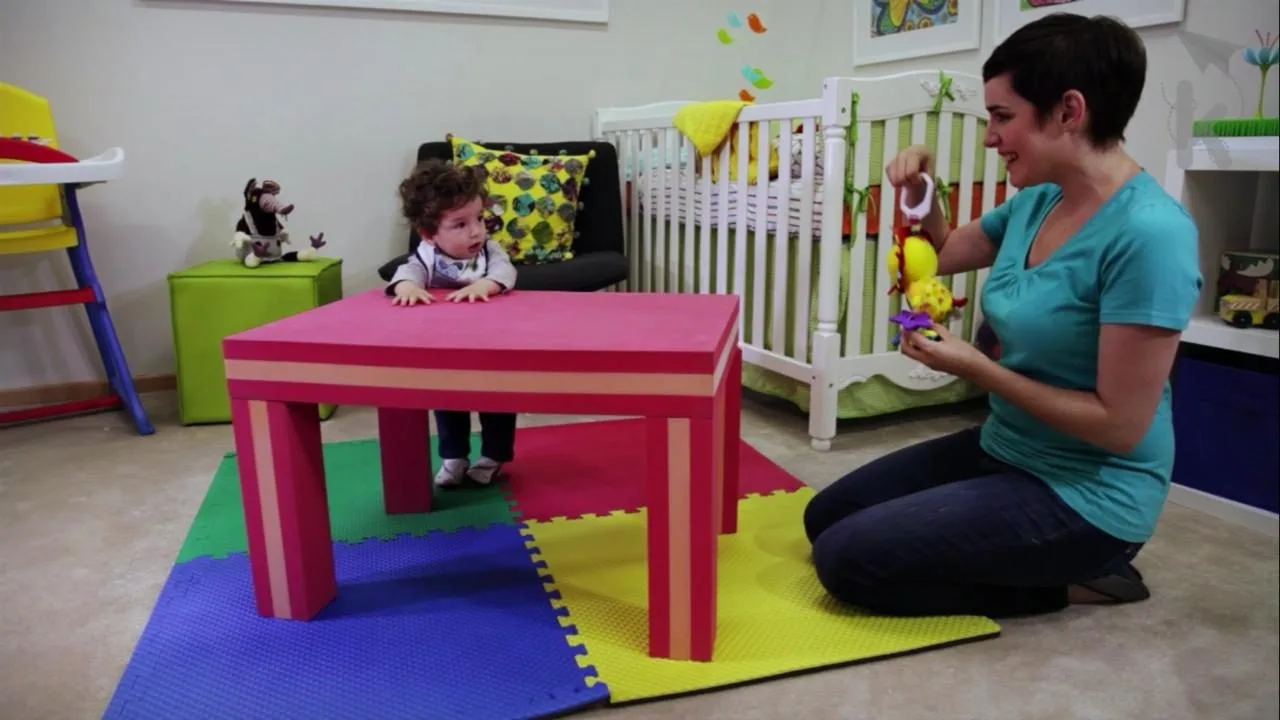
Positive discipline: What it is and how to use it?
Positive Discipline, as advocated by Jane Nelsen, emphasizes mutual respect over punishment for teaching children discipline. Practical tips for implementing…
 Social & Emotional
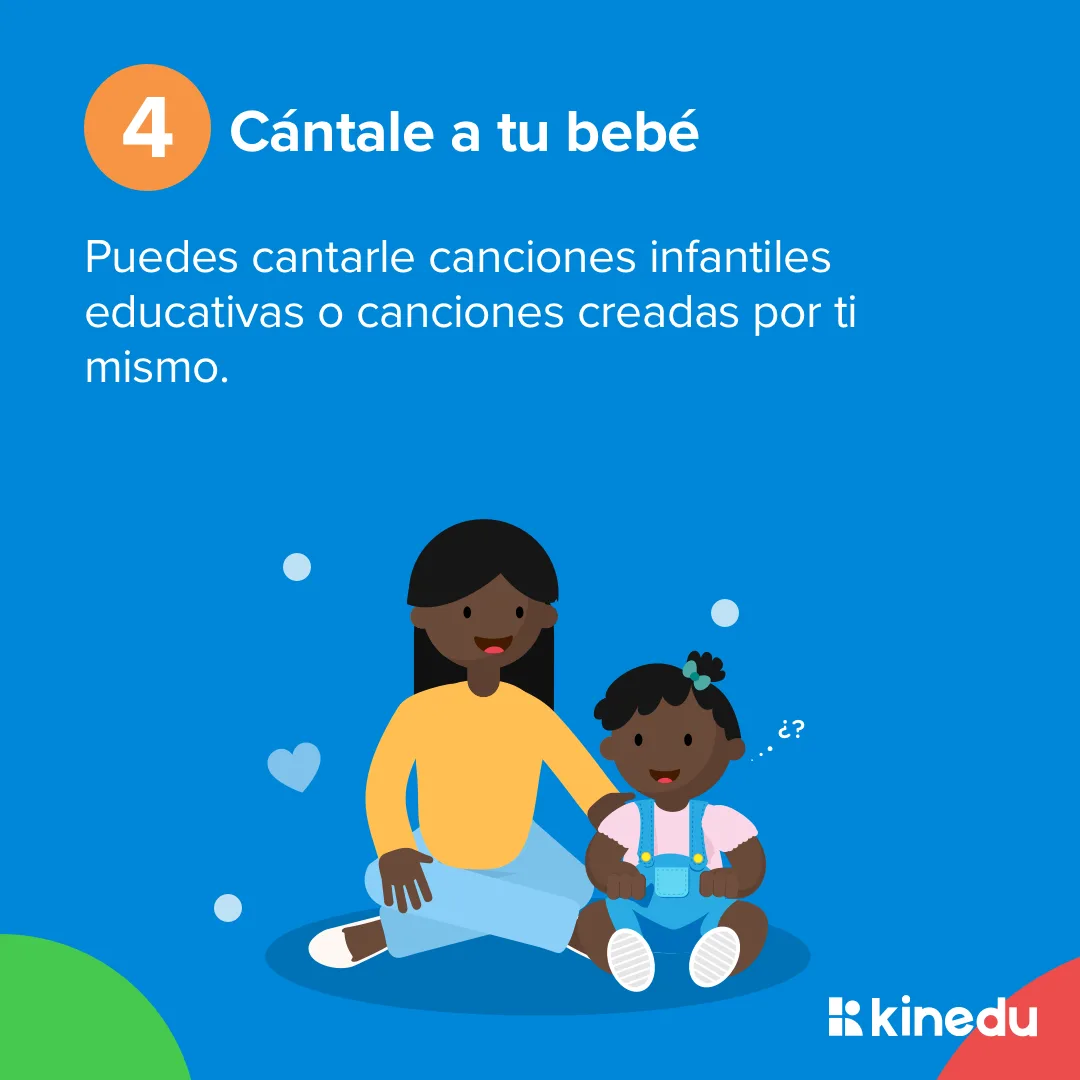
Positive parenting encourages toddlers emotional and social skills
Toddlers and preschoolers go through a crucial development phase with challenges like impulsivity and defiance. Positive parenting tools can improve a…
 Social & Emotional
Enhancing the relationship with my child during the terrible-twos and beyond
Professor Matthew Sanders researches positive parenting's impact on parent-child relationships and emotional development. Tips: Daily conversations, genuine…
 Social & Emotional
Gaining independence at bedtime: transitioning from the crib to a bed
Transition from crib to bed after 36 months when your child understands rules and limits. Celebrate the transition and position the bed where the crib was.…
 Social & Emotional
Using my child’s tantrums as a learning experience
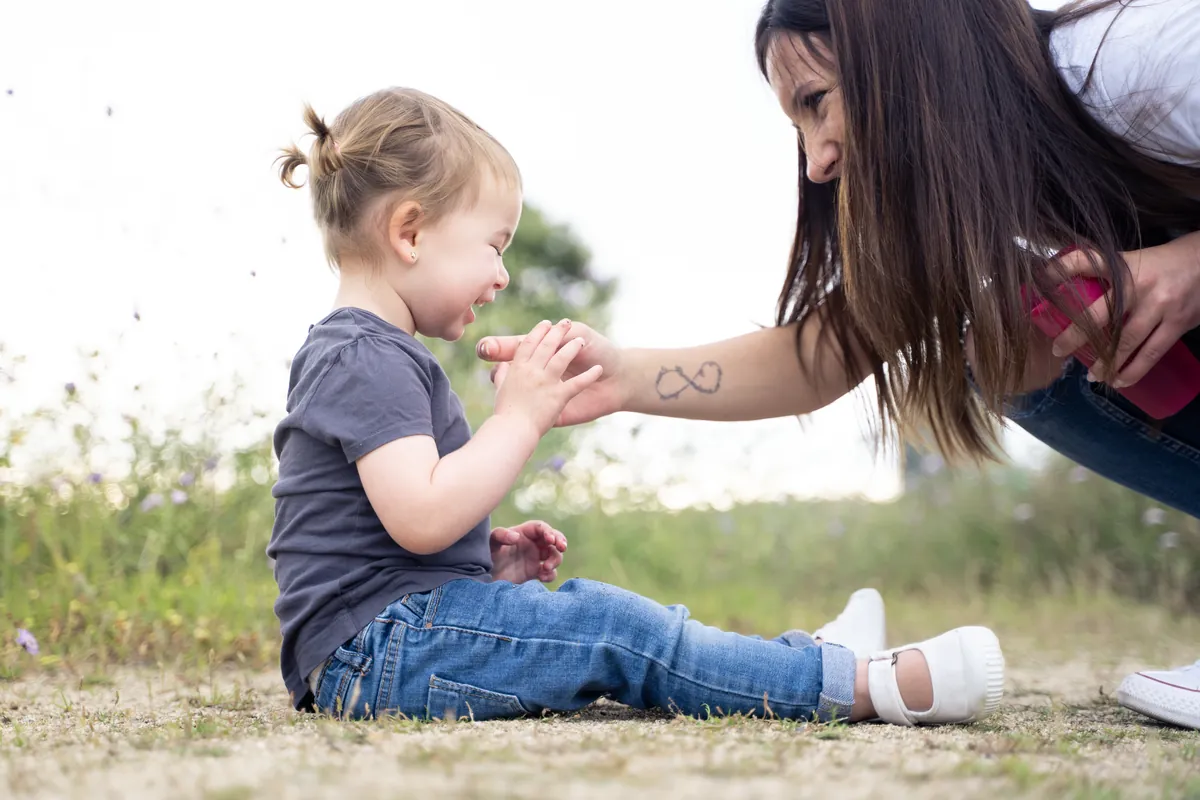
Tantrums are common between ages 2 and 4. Tantrums are a way for preschoolers to express intense feelings or frustrations. Help prevent tantrums by…
 Social & Emotional
Useful articles to help you handle COVID-19 with your family
Find tips and tricks for supporting your child’s development from home. There’s a lot of information to process right now. To help you find the answers…
 Social & Emotional
How has COVID-19 impacted your child's development?
Quality time with parents is crucial for a child's development, especially during COVID-19 disruptions. Reading together daily can enhance language skills…
 Social & Emotional
5 quick tips to keep calm in quarantine
1. Create me-time Every. Single. Day. Whether you are working full time, caring for a child, working inside the home, working outside of the home, or all of…
 Social & Emotional
Motherhood during pandemic
International Women's Day (March 8) celebrates women's achievements and emphasizes ongoing gender equality efforts. COVID-19 has disproportionately impacted…