 Physical
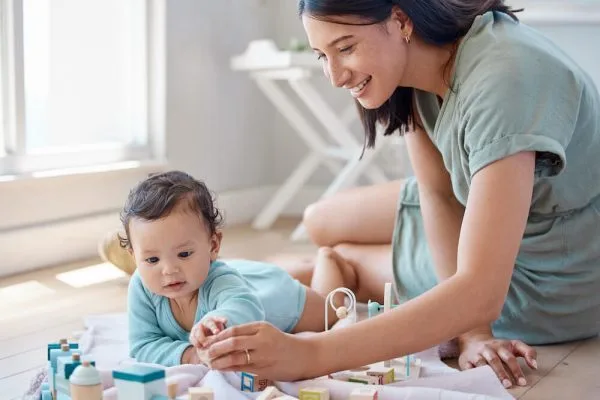
My Baby Hates Tummy Time: Why it Happens and What to Do
It’s a well known fact that tummy time is great for development, but it’s also common for some babies to hate tummy time. Don’t fret if that’s your ca
 Physical
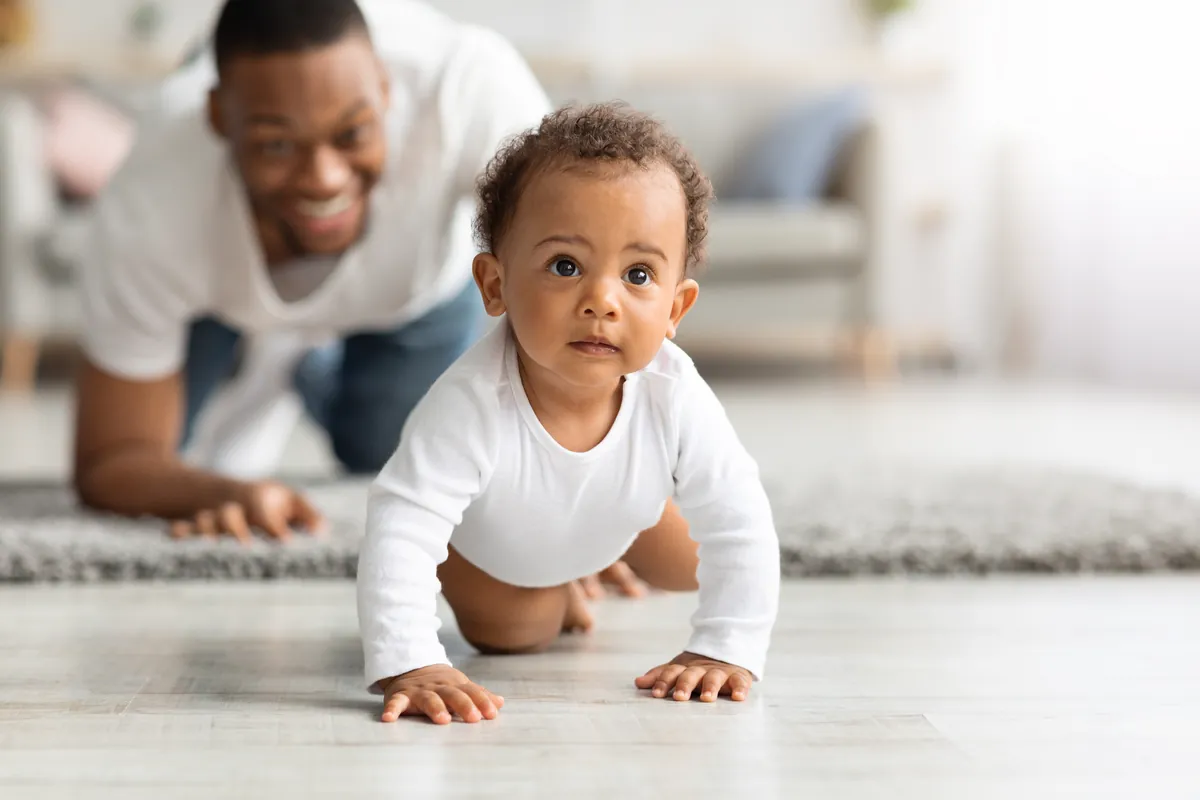
When Do Babies Crawl? – A Guide to Crawling
When do babies crawl? Continue reading to find out along with ways you can help your baby learn to crawl and support their development. As a parent,
 Physical
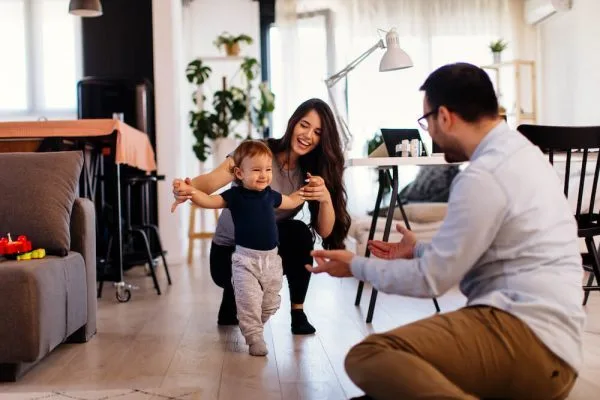
Signs Your Baby Will Walk Soon
Are you eagerly waiting for the moment when your baby takes their first steps? Are you wondering what signs indicate that your little one is on the br
 Physical
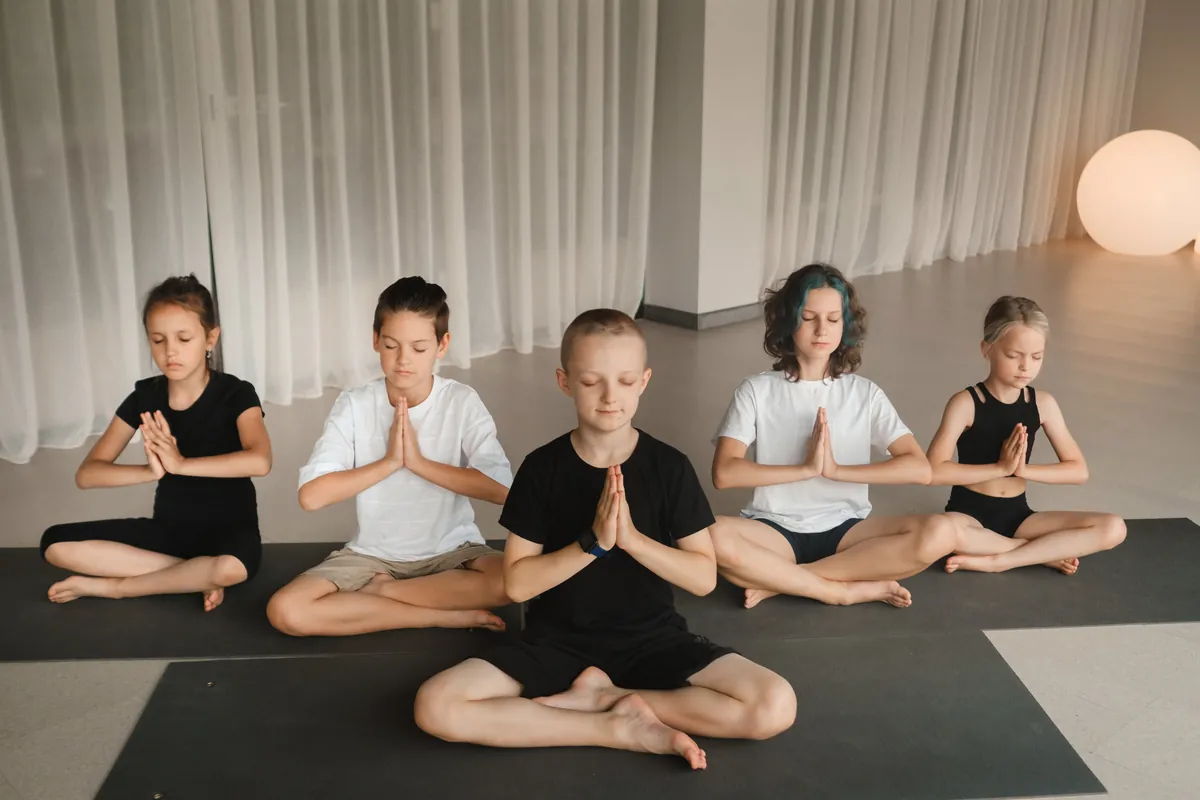
Benefits of Yoga for Kids
We can play inside and outside and help teach our children to enjoy moving their bodies and exploring what they can do. Yoga for kids is a playtime ac
 Physical
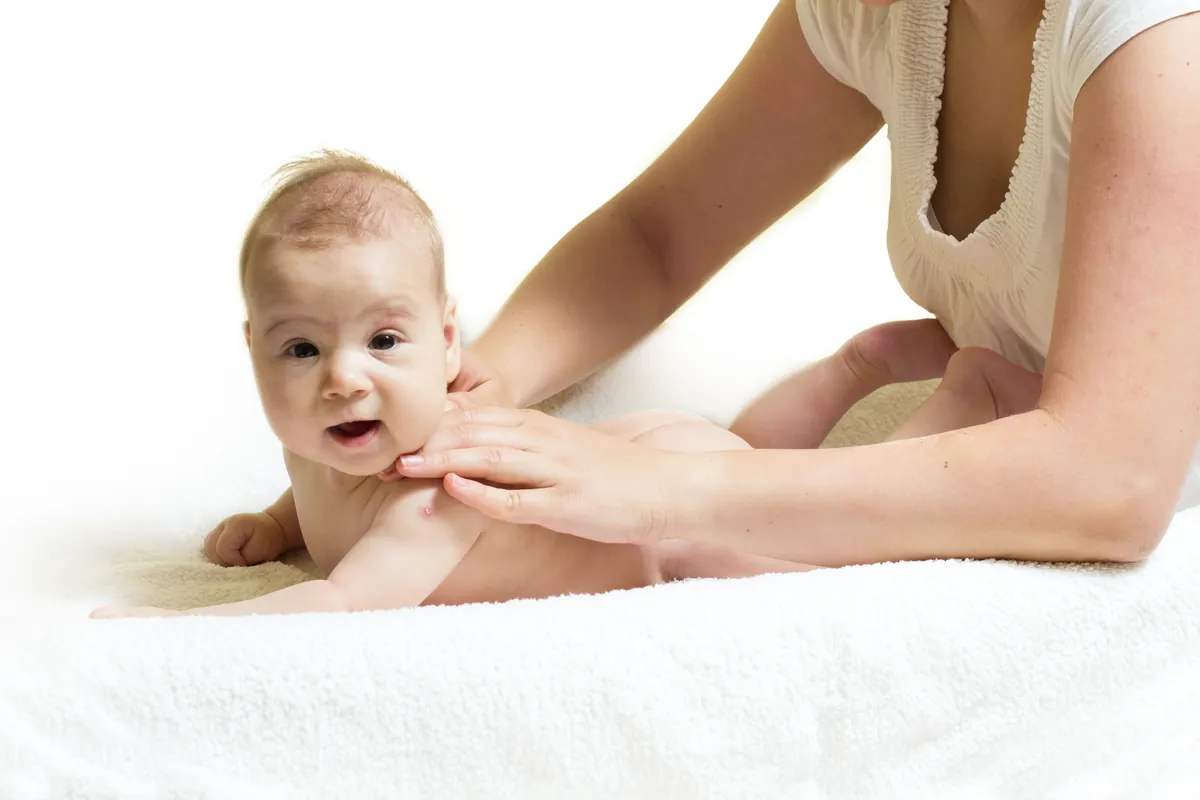
Baby Growth Spurts: How To Detect Them And What To Do
One of the most commonly discussed topics among parents is the phenomenon of growth spurts. You’ve probably heard parents, relatives, and friends dis
 Physical
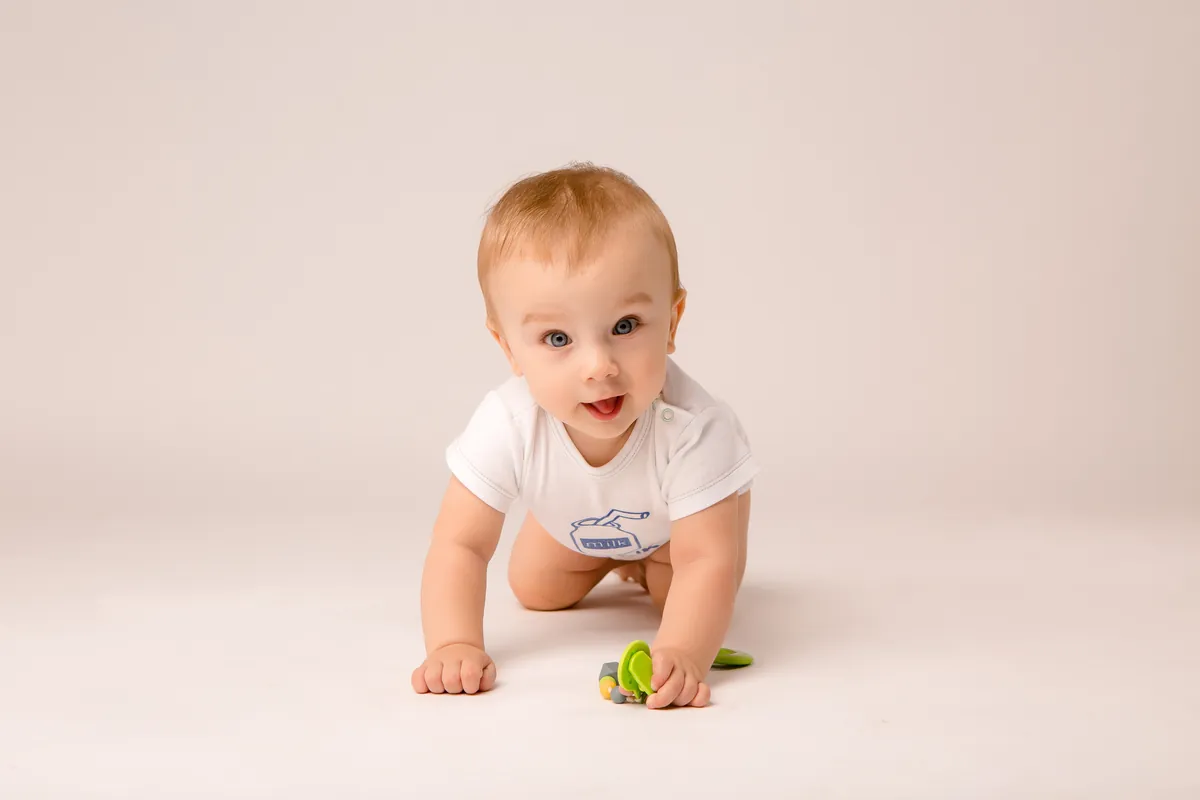
When Do Babies Sit Up?
One of the most exciting parts of parenthood is watching your baby grow and develop new skills. During the first year, your child will learn and devel
 Physical
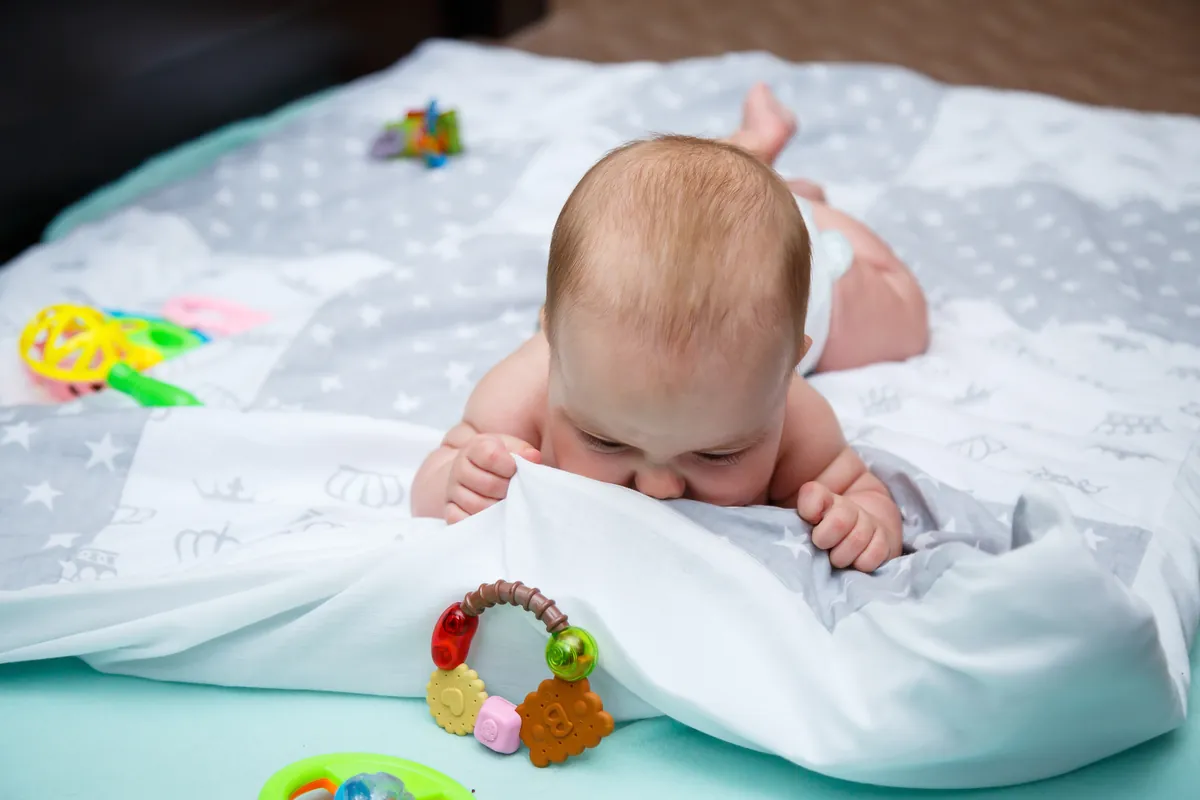
When To Start Tummy Time
As a new parent, you have most likely been researching for months to prepare for your new baby. From sleeping to feeding, diaper changes, when to star
 Physical
When Do Babies Roll Over?
Want to know when babies roll over and how to help your little one get there? Here are some activities! When do babies roll over and how does this pro
 Physical
When Do Babies Start Walking?
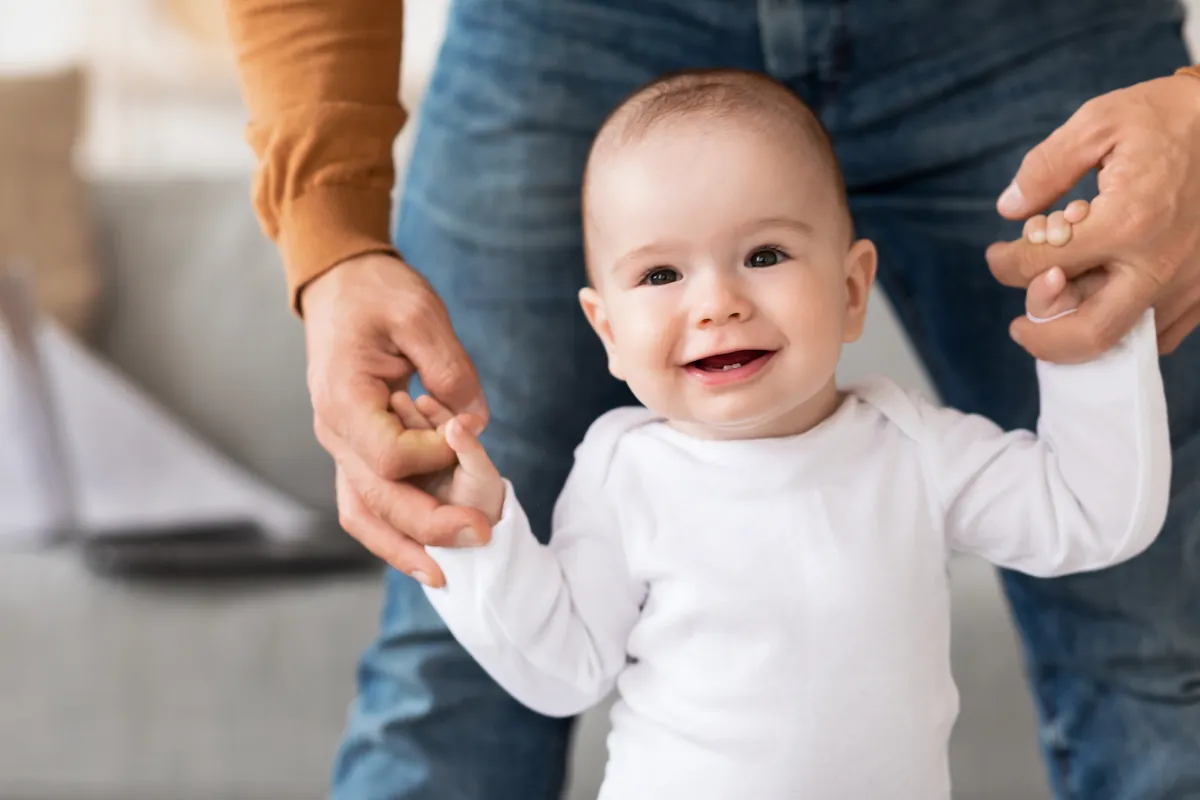
Your baby’s first steps are something every parent waits for and anticipates with excitement. As you watch your baby grow and develop in their first y
 Physical
How can I help my child develop pincer grasp?
One of the great milestones that your baby will fulfill during their first year of life is the pincer grasp. Read more about this important skill. Key
 Physical
When do babies start to see?
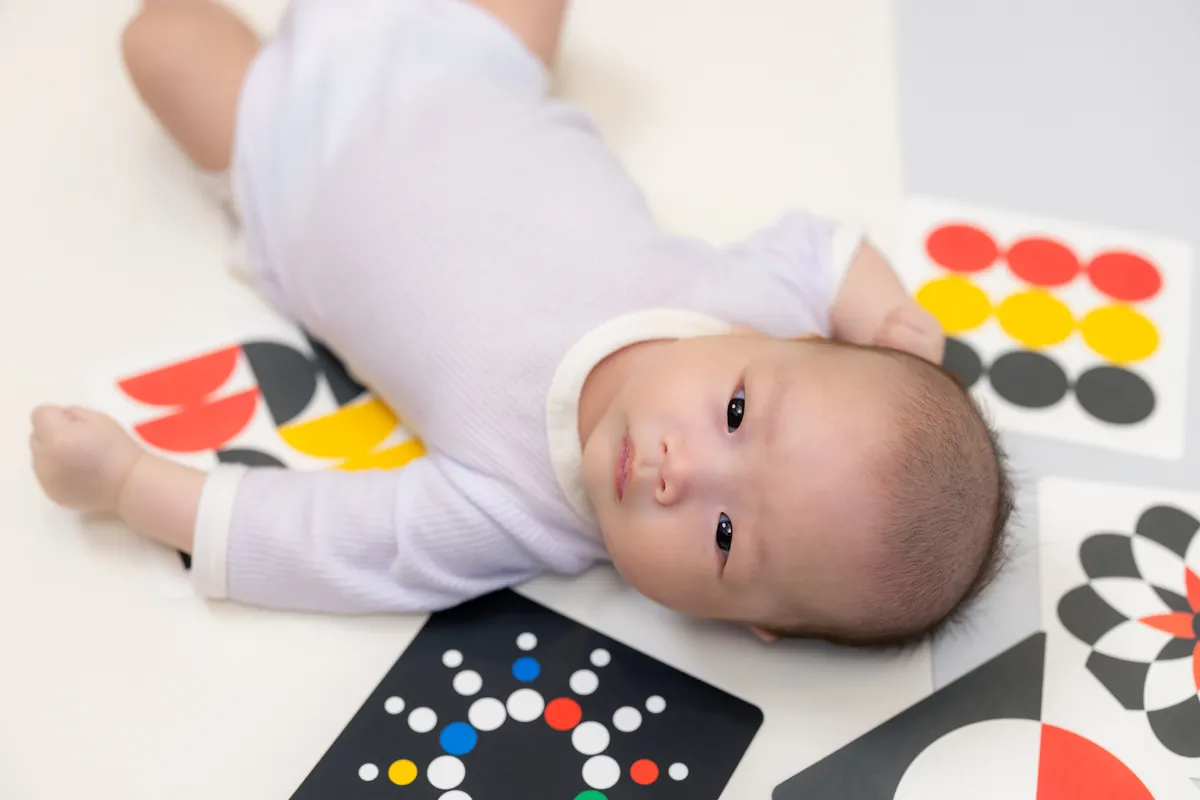
During the first days with your little one, it is normal for you to have some doubts, such as when do babies start to see or when they’ll begin to mov
 Physical
Auditory stimulation for babies: 3 practical tips
Did you know that your baby can hear from the womb? In fact, a child’s sense of hearing is nearly fully formed by the time they are born. But that doe
 Physical
Tummy time: Start from day one
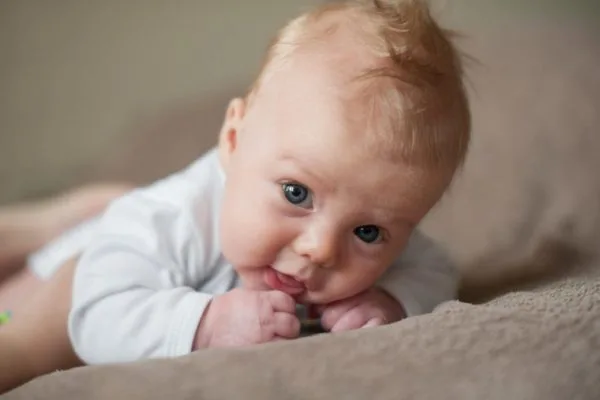
What is tummy time? Placing your little one on their tummy to play with toys or interact with you is known as “tummy time.” It’s important that babie
 Physical
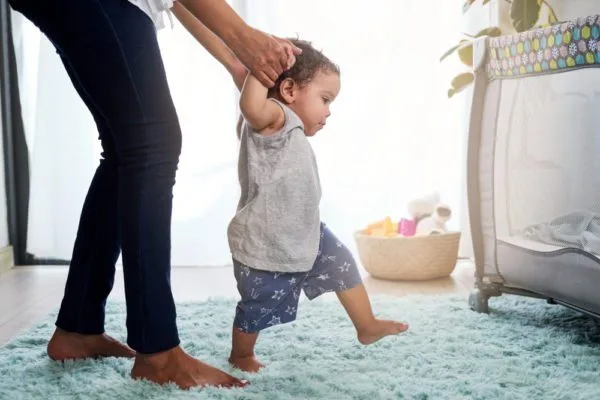
How can I help my baby walk without support and what precautions should I take?
Key points: Babies need to acquire key skills such as head control, sitting, rolling over and standing up before they can start walking without suppor
 Physical
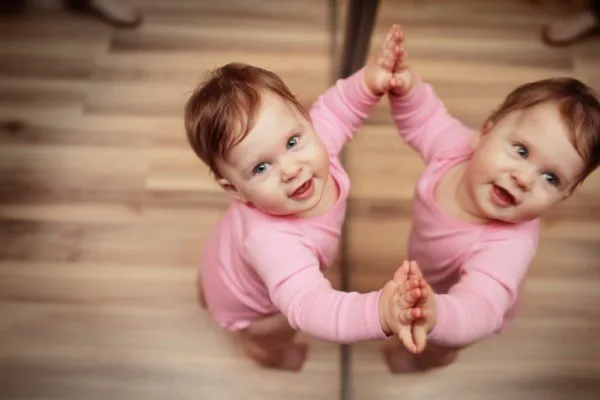
My baby can stand up by herself!
Key points: Babies acquire muscular strength and coordination by practicing standing up with support. After gaining confidence, babies will try to sta
 Physical
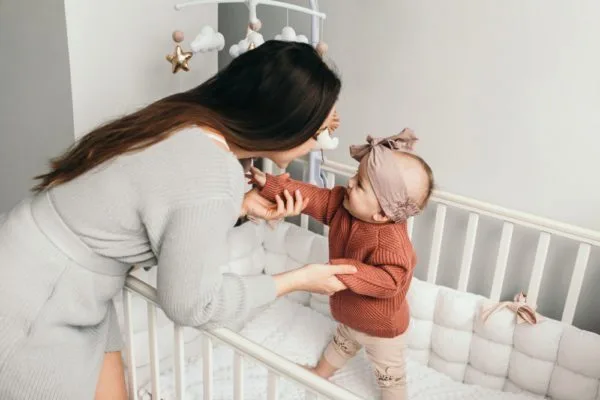
How can I help my baby stand up?
Key points: The article highlights the excitement of babies being able to stand up and see the world from a different perspective. The article explain
 Physical
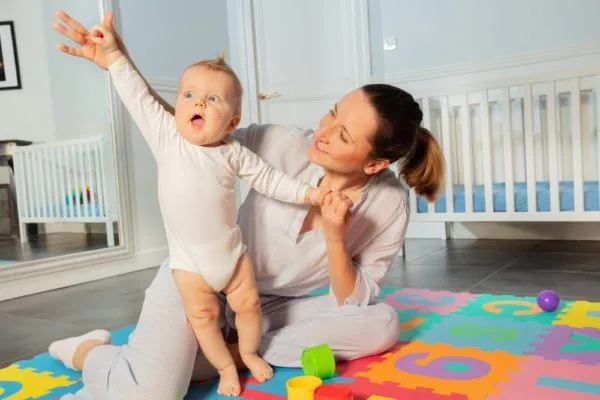
Does your baby support their own weight?
Key points: The article discusses a new developmental milestone that babies can reach around four months old, which involves supporting weight on thei
 Physical
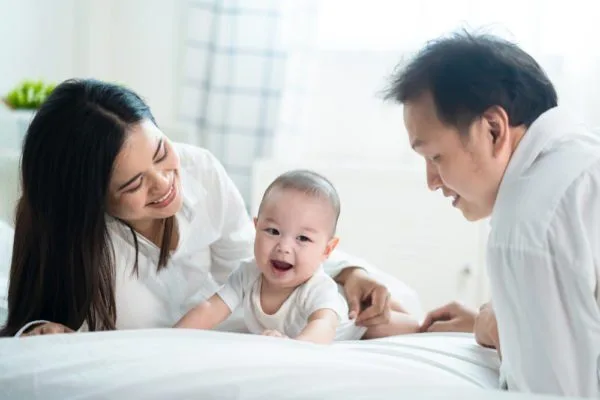
Ideas to help your baby start crawling
Key points: Not all babies learn to crawl in the traditional way or at the same age, but it is important that they figure out a way to explore and lea
 Physical
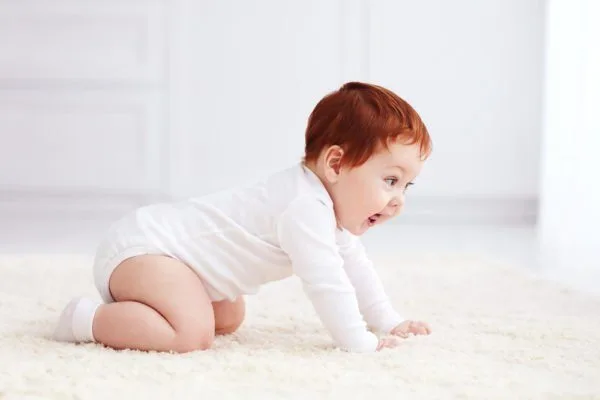
My baby won’t crawl! What should I do?
Key points: Babies have an innate desire to move and explore their surroundings before they reach one year old. Crawling is an important developmental
 Physical
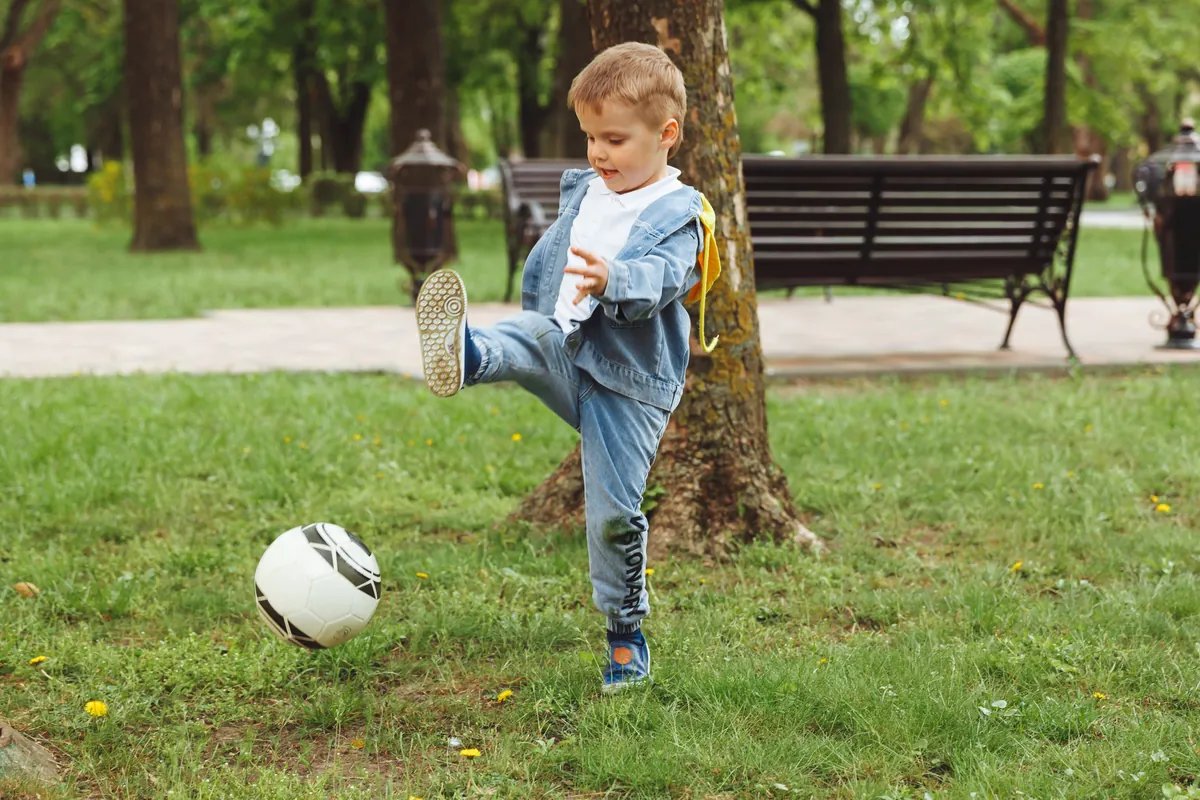
Ball skills: Kicking
Key points:1. Your child’s physical skills, muscle control, balance, and coordination are developing.2. Progressing from one skill to the next is a si
 Physical
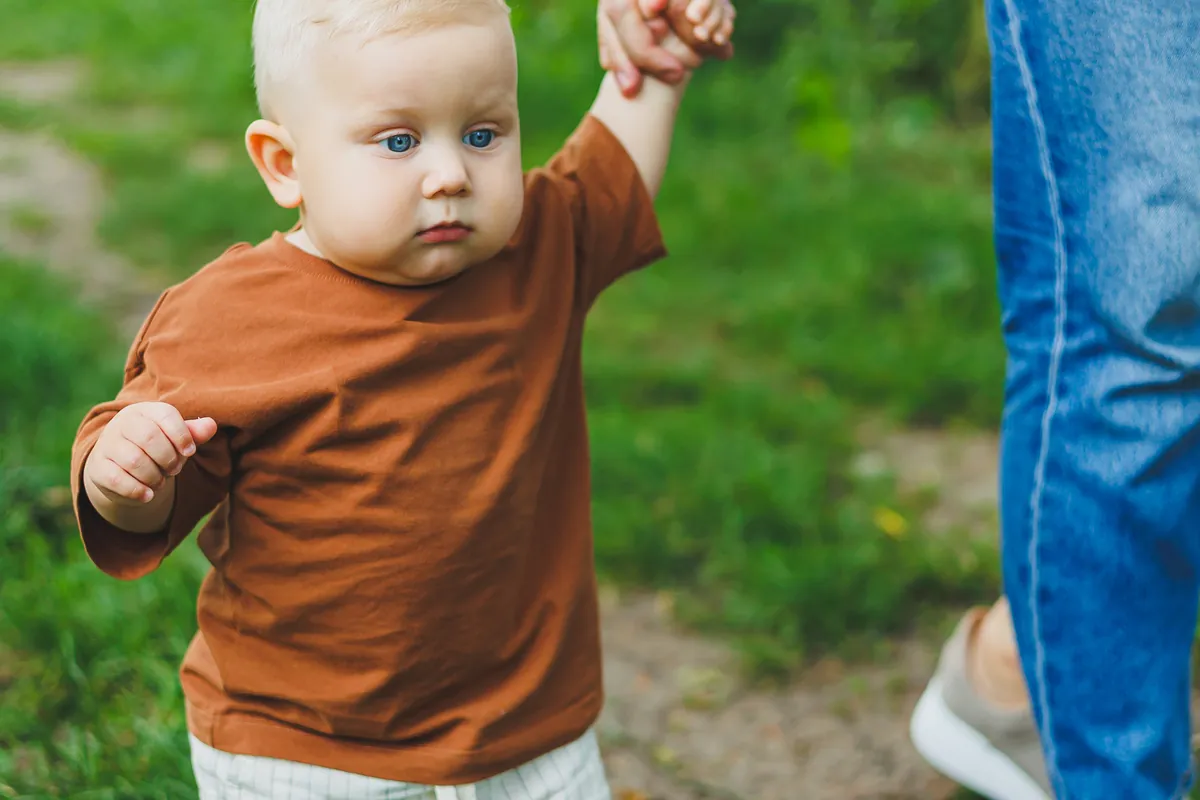
Benefits of walking
Key points:1. Walking is a significant step toward independence for your child.2. As they become more mobile, they develop curiosity and can explore n
 Physical
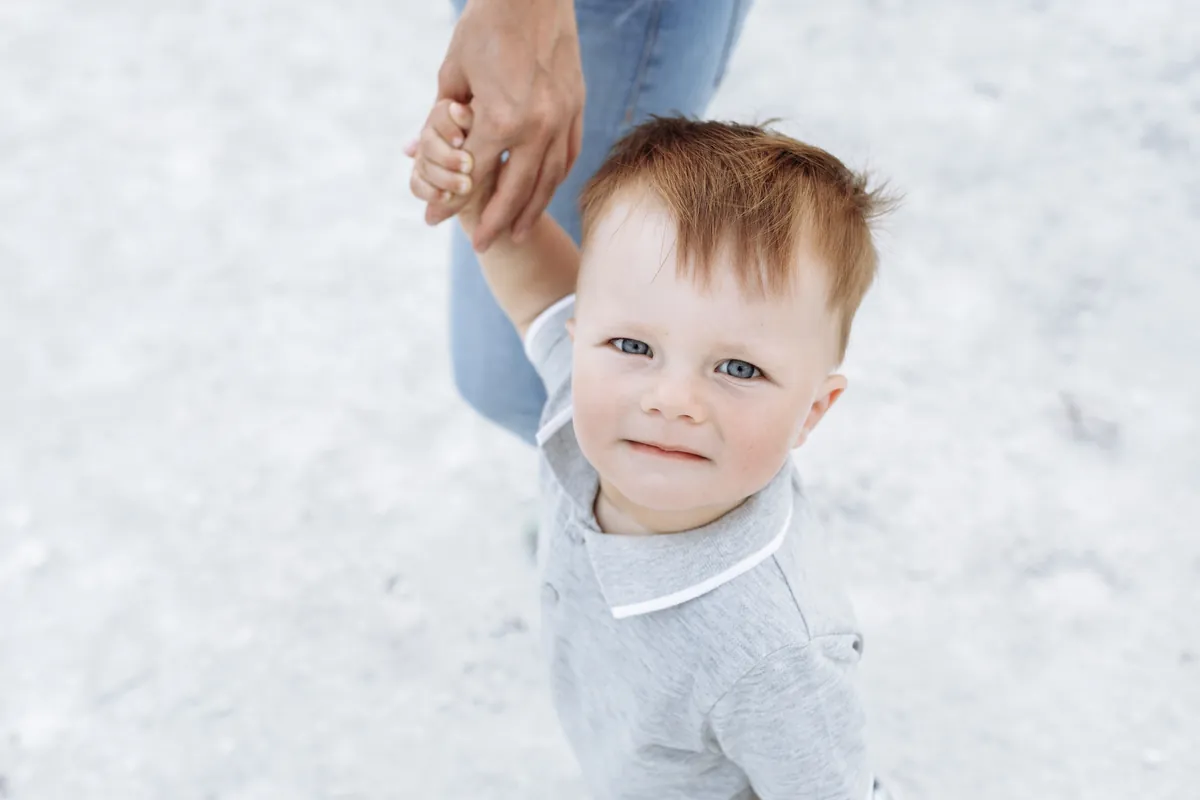
What makes your little one walk?
Key points:1. Learning to walk typically takes around 12 months, as many skills and muscles need to develop first.2. Strong neck, arm, core, and leg m
 Physical
When do babies stand up? – Part 3
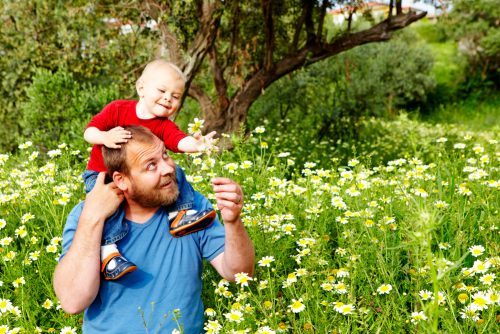
Key points:1. By 12-14 months, your baby can go from standing to squatting, showcasing balance.2. They develop neck muscles to maintain their balance,
 Physical
When do babies stand up? – Part 2
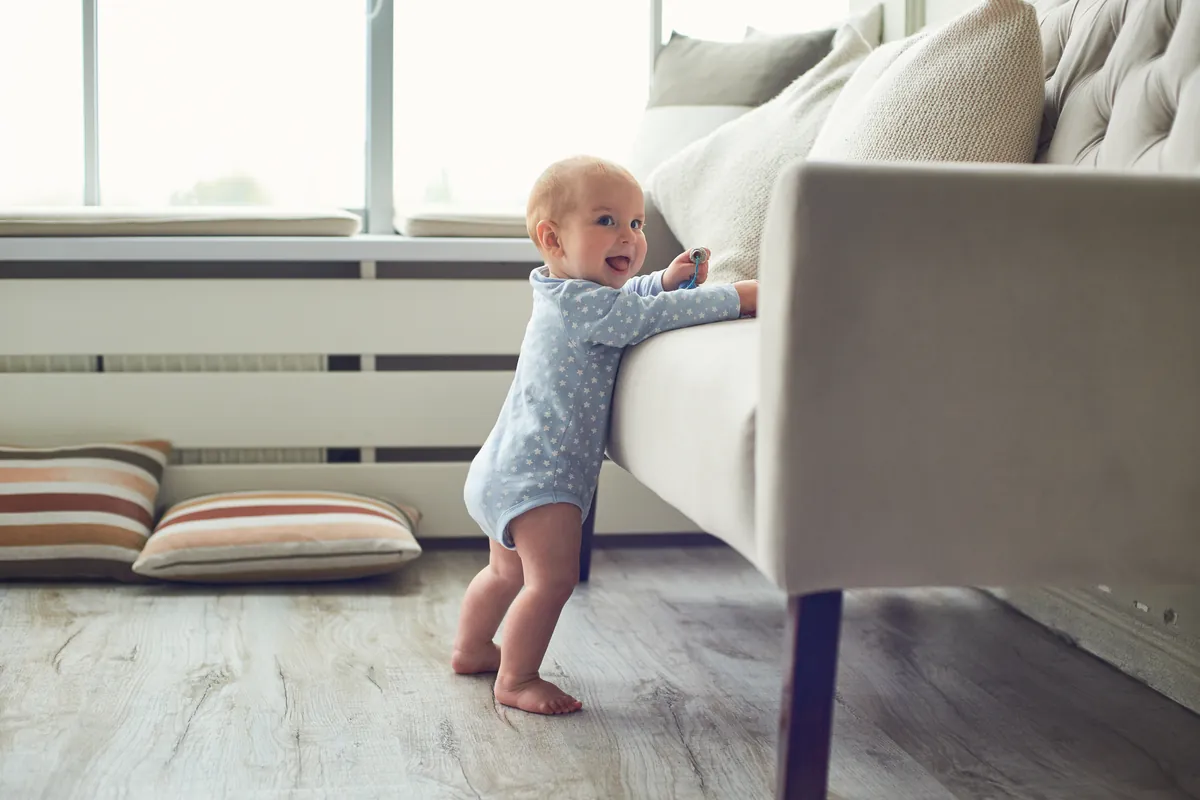
Key points:1. Your baby can stand while holding onto objects between 10-12 months.2. They’ll briefly stand with your help, enhancing balance skills.3.
 Physical
When do babies stand up? – Part 1
Key points:1. Standing up is a key physical milestone that typically occurs between 9 and 14 months.2. It involves various skills such as pulling up t
 Physical
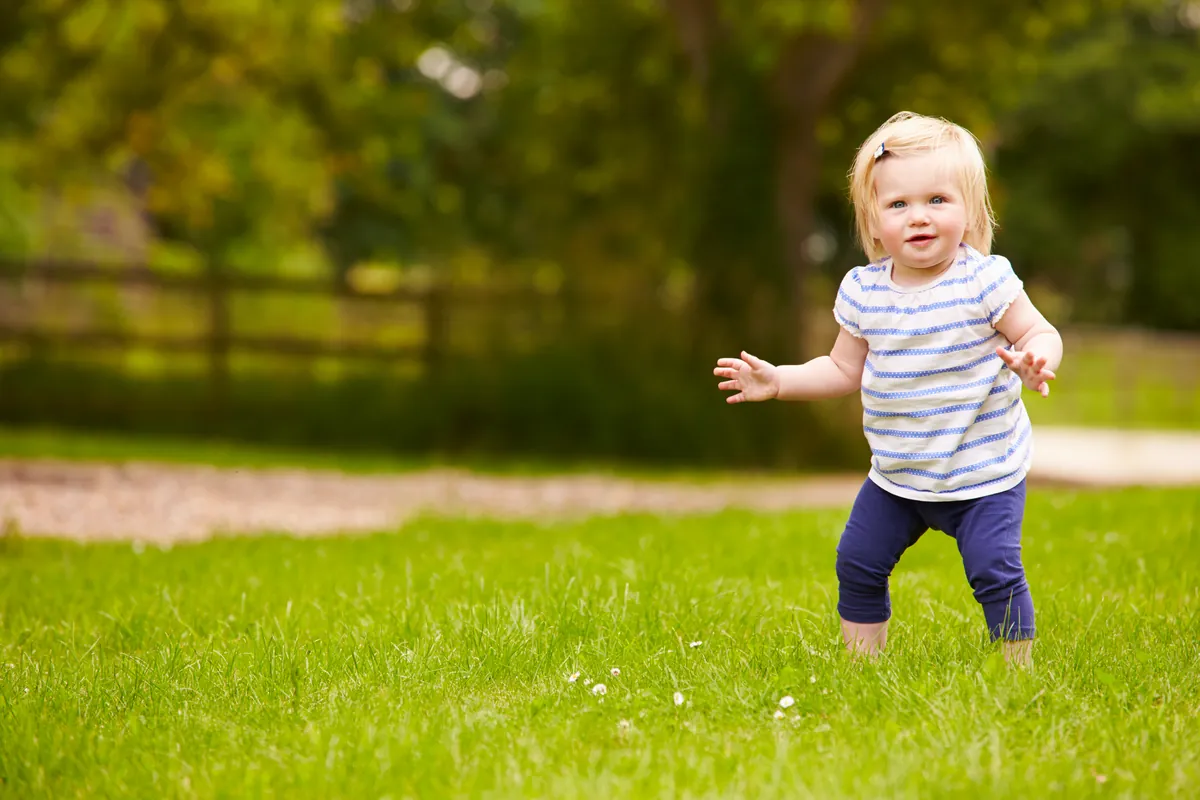
Why does my child run all day without getting tired?
Key points: Children’s muscles have a unique fiber that makes them less prone to fatigue during running. Encouraging short, high-intensity exercises l
 Physical
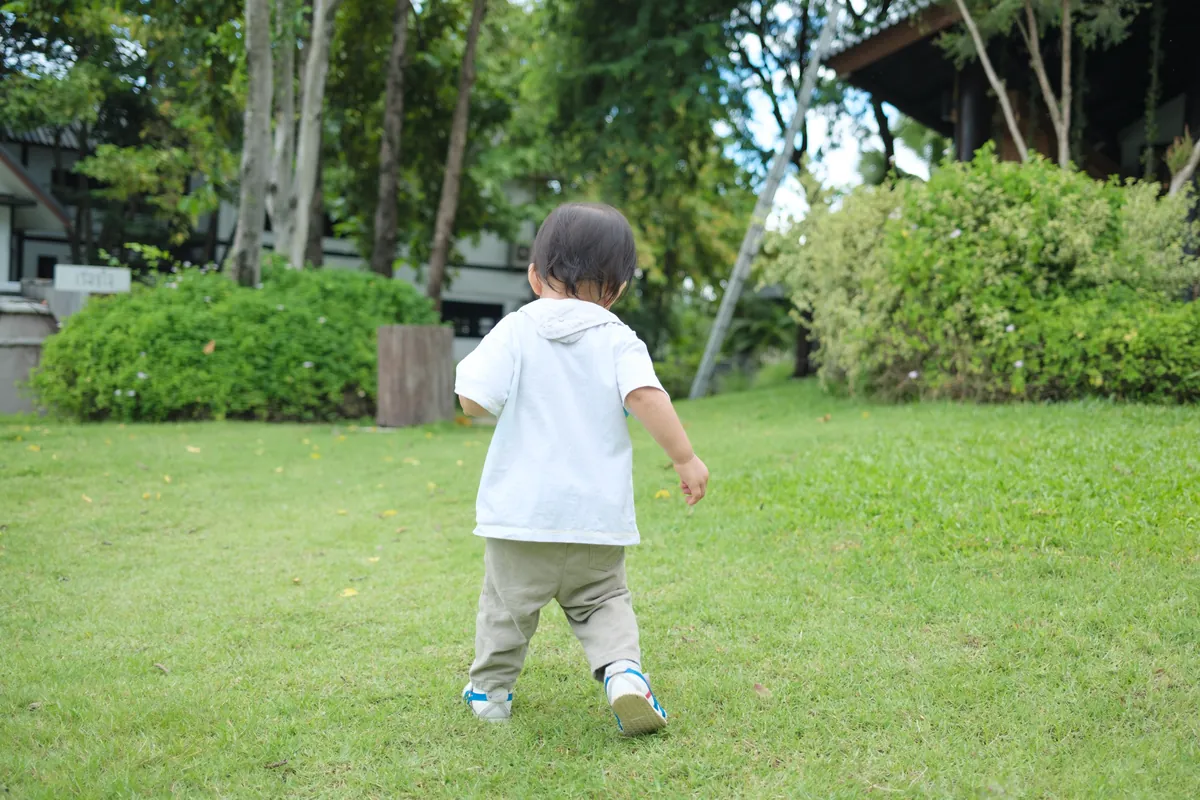
Ready? Let’s run!
Key points: Running is a significant gross motor skill development milestone between 18-36 months. Encourage activities that improve balance and spati
 Physical
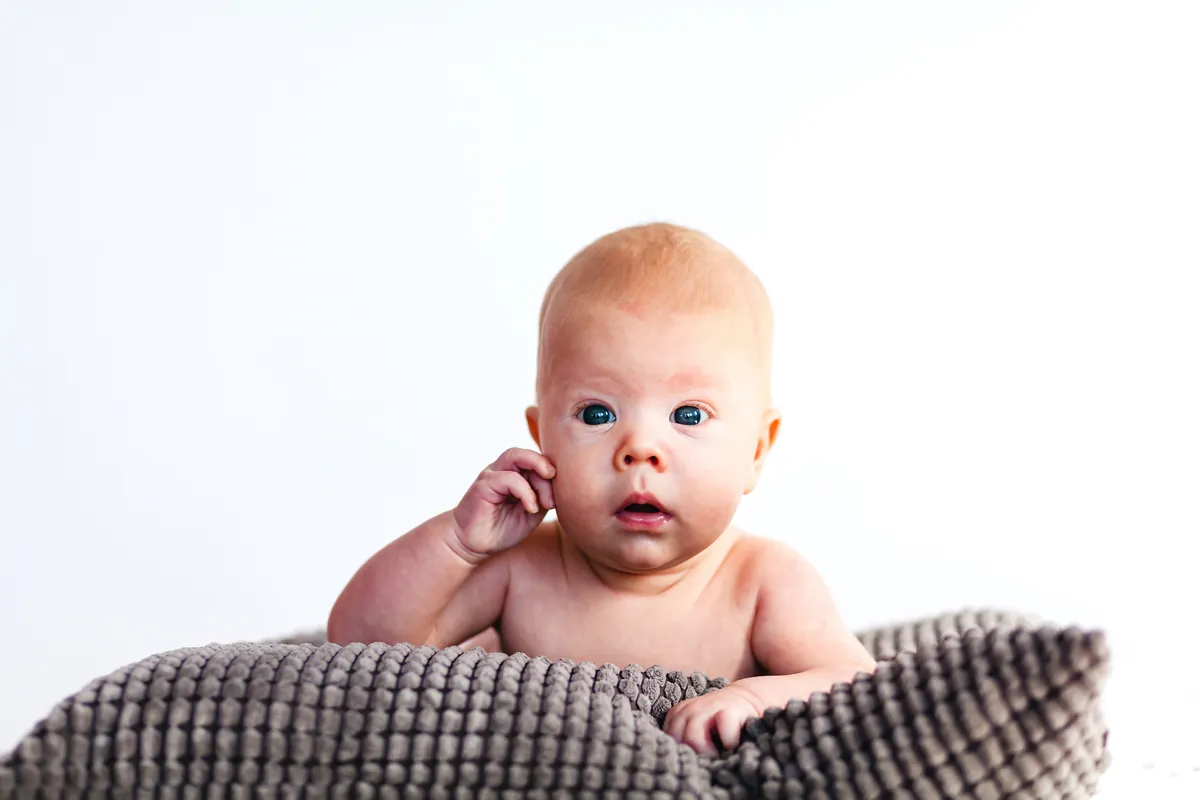
Sight and attention
Key points: Visual attention is a crucial skill for cognitive development and longer attention spans. It begins to develop during the first few months
 Physical
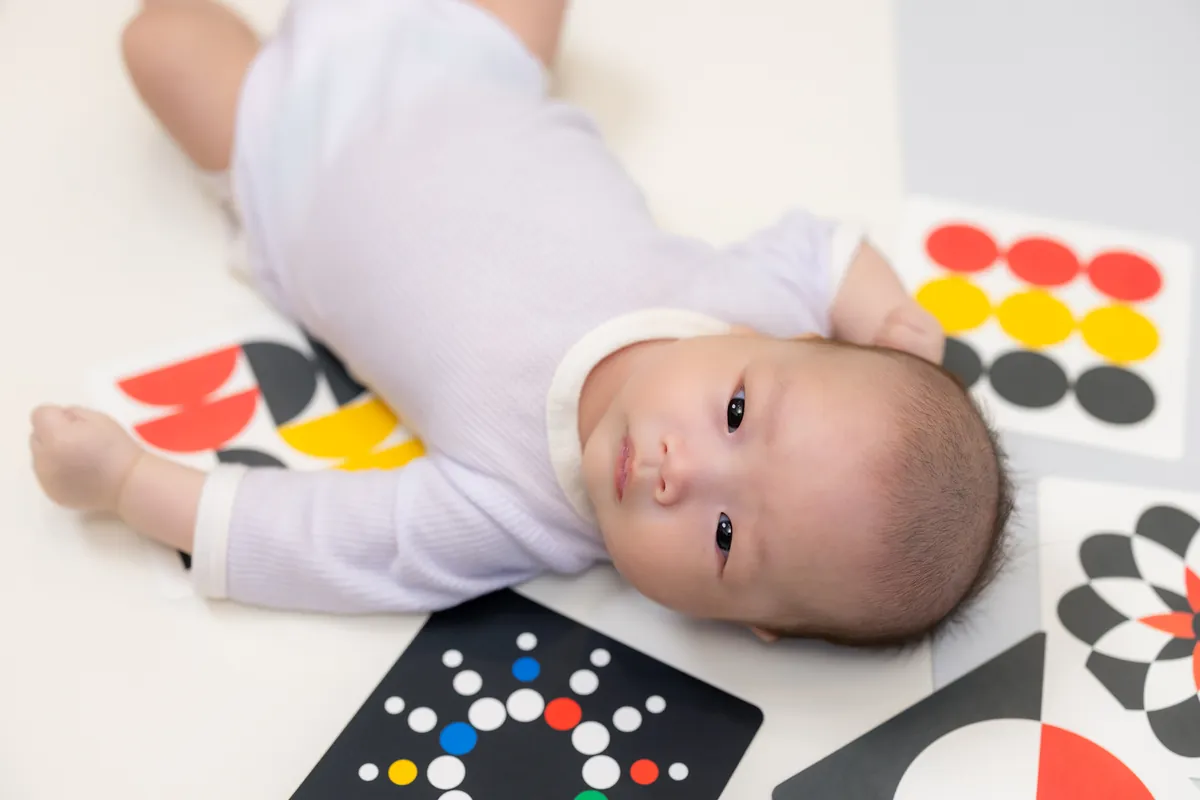
Your baby’s visual timeline
Key points: During the first week, a baby’s vision is limited to black and white, but starts to develop more colors after a week. It is recommended to
 Physical
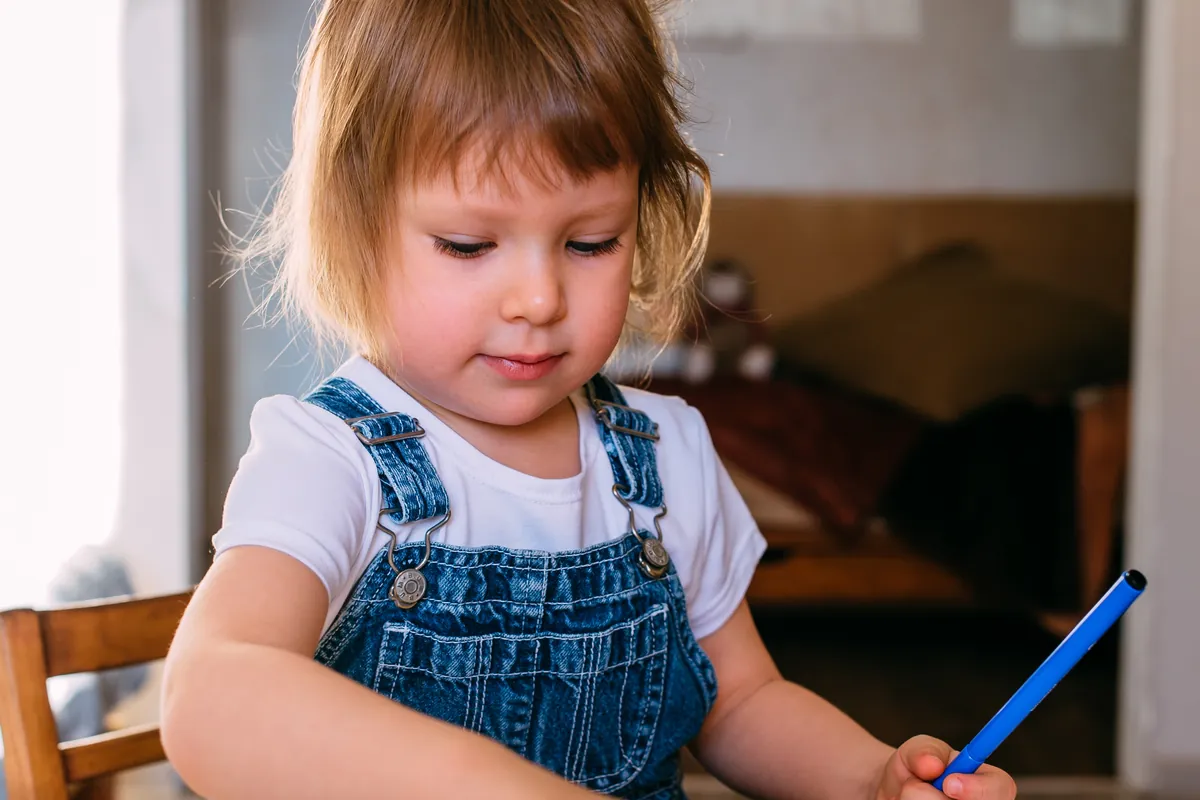
Why is drawing important for your little one?
Key points: Drawing can foster fine motor skills in children, while the act of drawing and related language skills can be a “great precursor for your
 Physical
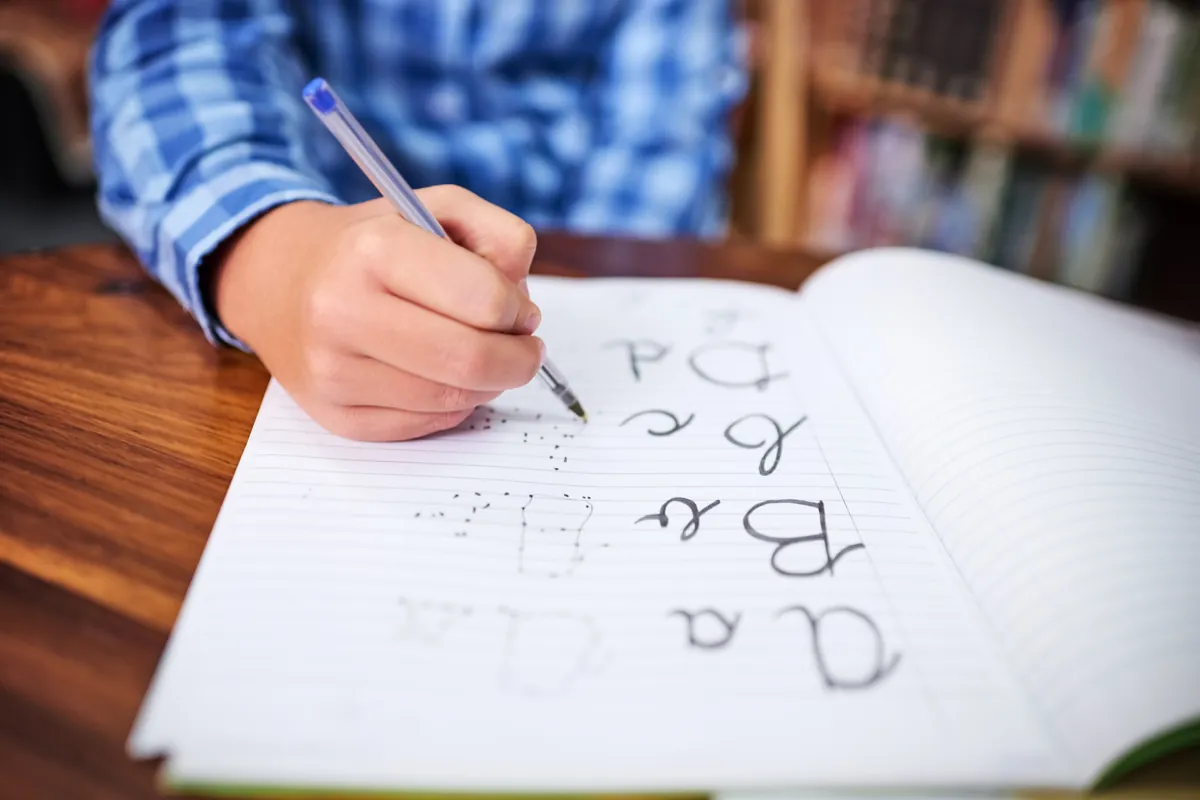
Why is handwriting so important for your child?
Key points: Preschoolers’ early writing skills can predict both their grades and their standardized test scores in second-grade reading and math, acco
 Physical
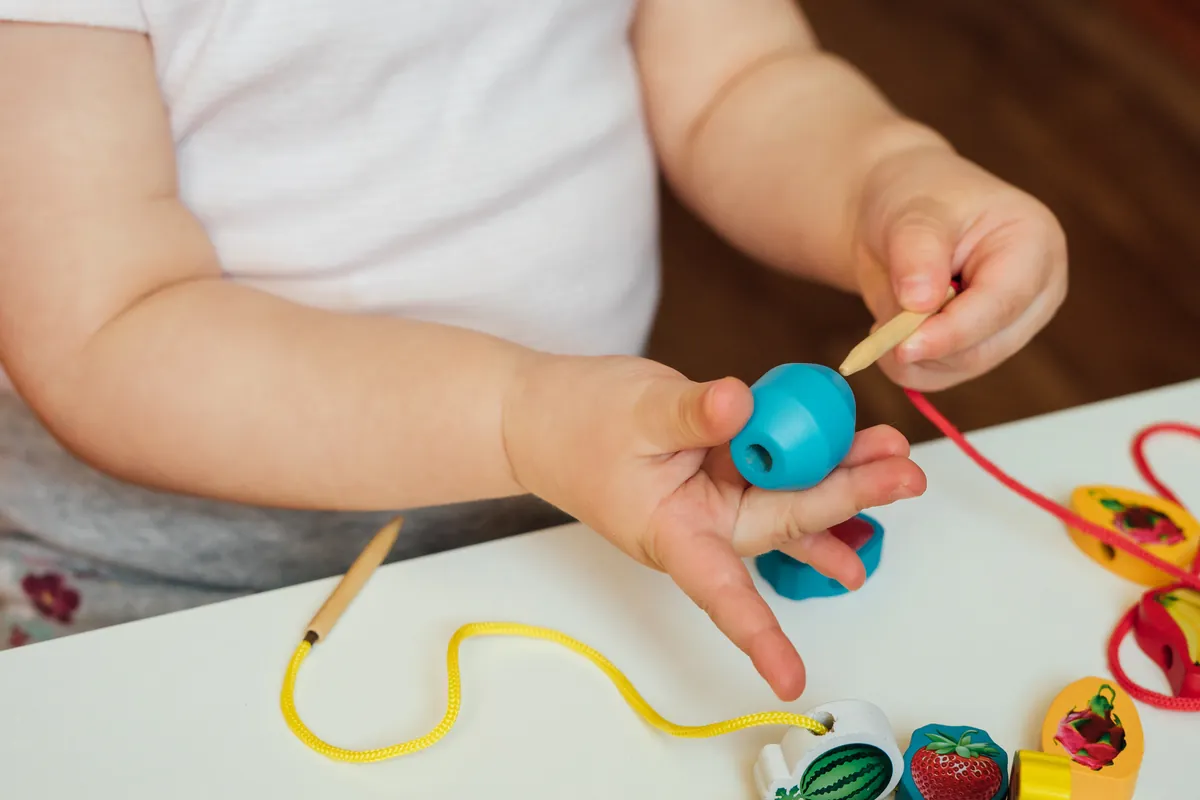
Hand coordination: 36-48 months
Key points: Children around the age of four develop increased control over their fine motor skills, including hand coordination and using utensils. De
 Physical
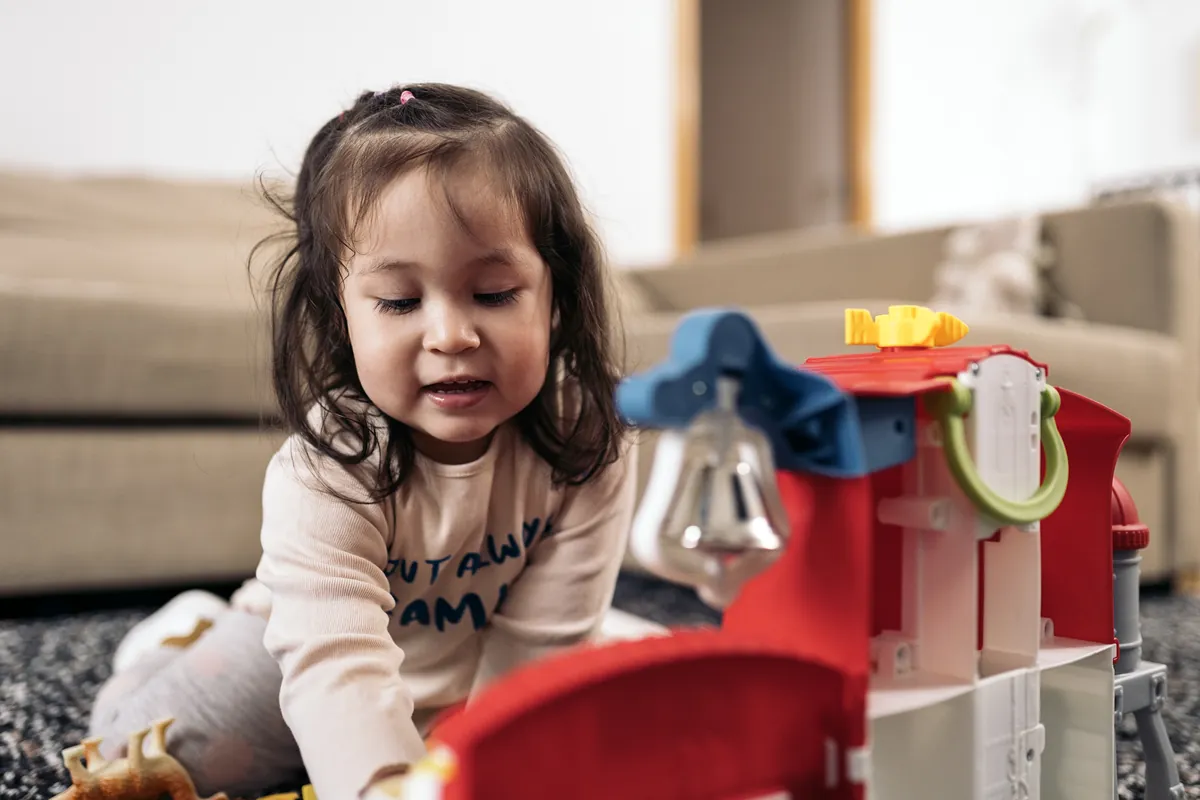
Hand coordination: 24-36 months
Key points: Children around the age of three develop increased muscle movement control, including hand coordination. Development milestones for this a
 Physical
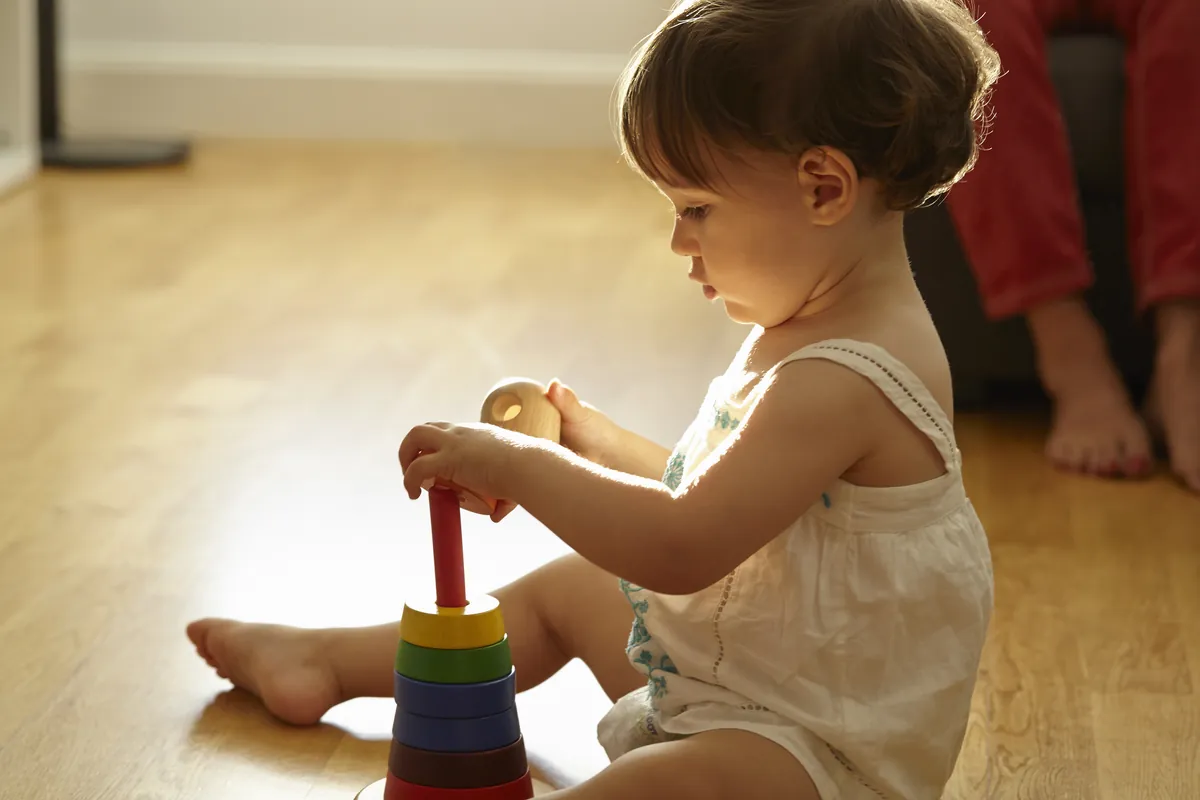
Hand coordination: 12-24 months
Key points: During the second year of a child’s life, their fine motor skills are still developing and new activities can be introduced to support han
 Physical
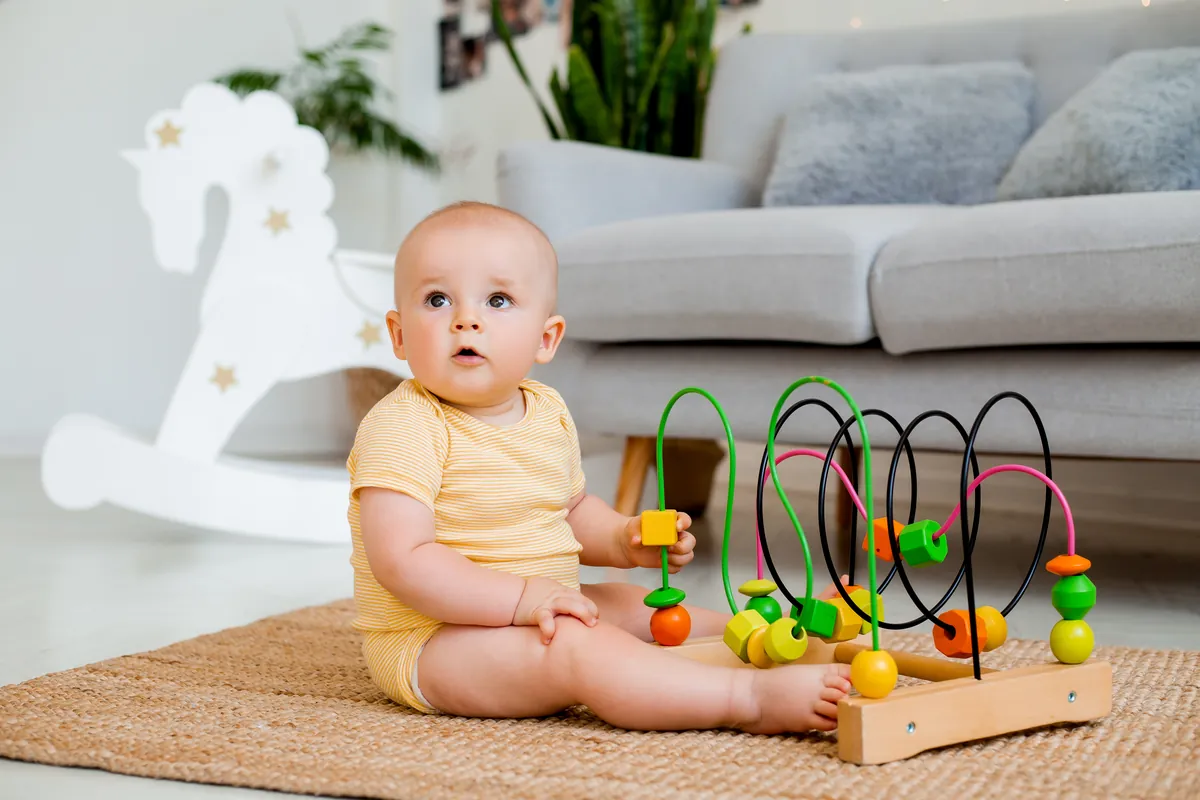
Hand coordination: 0-12 months
Key points: The first year of a child’s life is a period of rapid physical development, including the development and refinement of fine motor skills.
 Physical
Head control: 5-6 months
Key points: Head control is the foundation for many of your baby’s next milestones and can be fostered through fun activities. Activities can include
 Physical
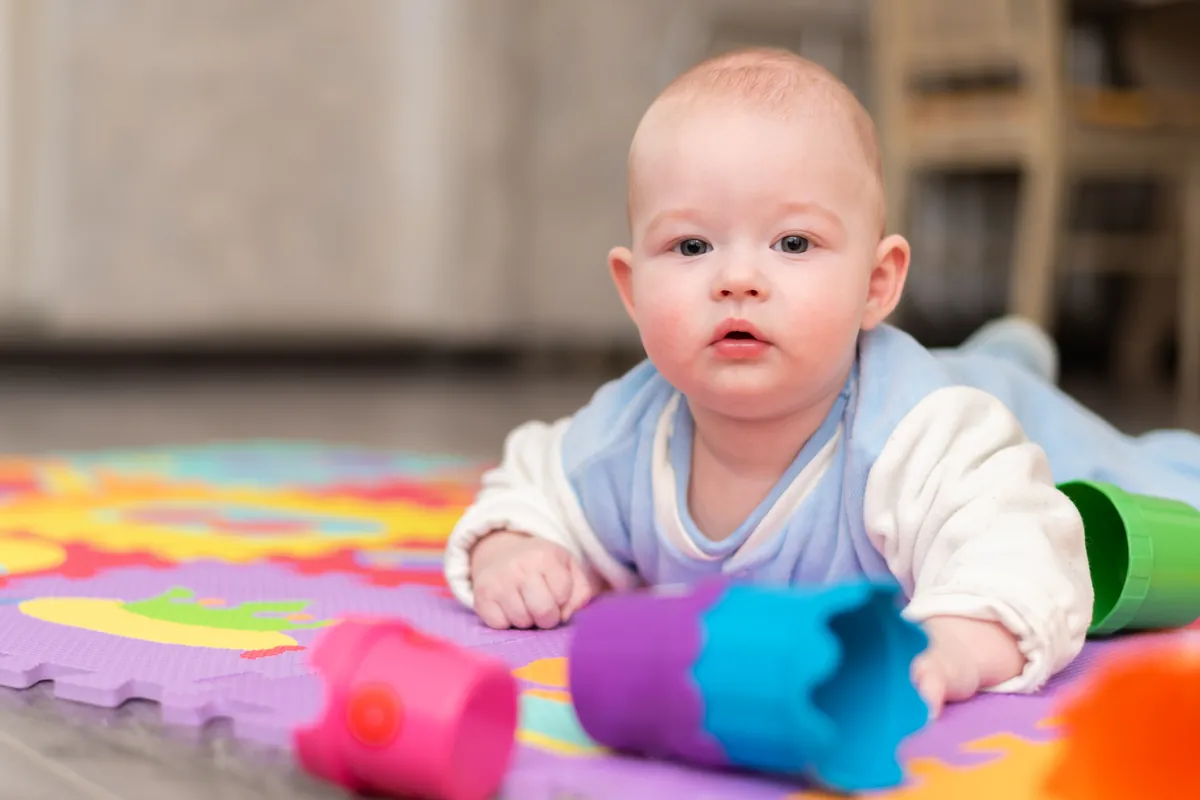
Head control: 3-4 months
Key points: At 3-4 months old, babies will have more control over their head and be able to hold it aligned with their body. They will also improve th
 Physical
Head control: 1-2 months
Key points: Babies develop head control and muscle tone during their first few months of life. Tummy time is the most recommended activity to help bab
 Physical
How to make sure your newborn’s head is safe
Key points: During the newborn stage, a baby’s neck muscles are weak, and they rely on adults to support their head. Newborns have primitive reflexes
 Physical
What are the skills that crawling helps develop in my child?
Key points: Developing core muscles is essential for a baby’s posture and physical development. Tummy time, crawling, bouncing on an exercise ball, co
 Physical
Baby’s muscle development
Key points: Muscle tone is an important factor in a baby’s physical development and affects milestones like sitting, standing, and walking. Babies hav
 Physical
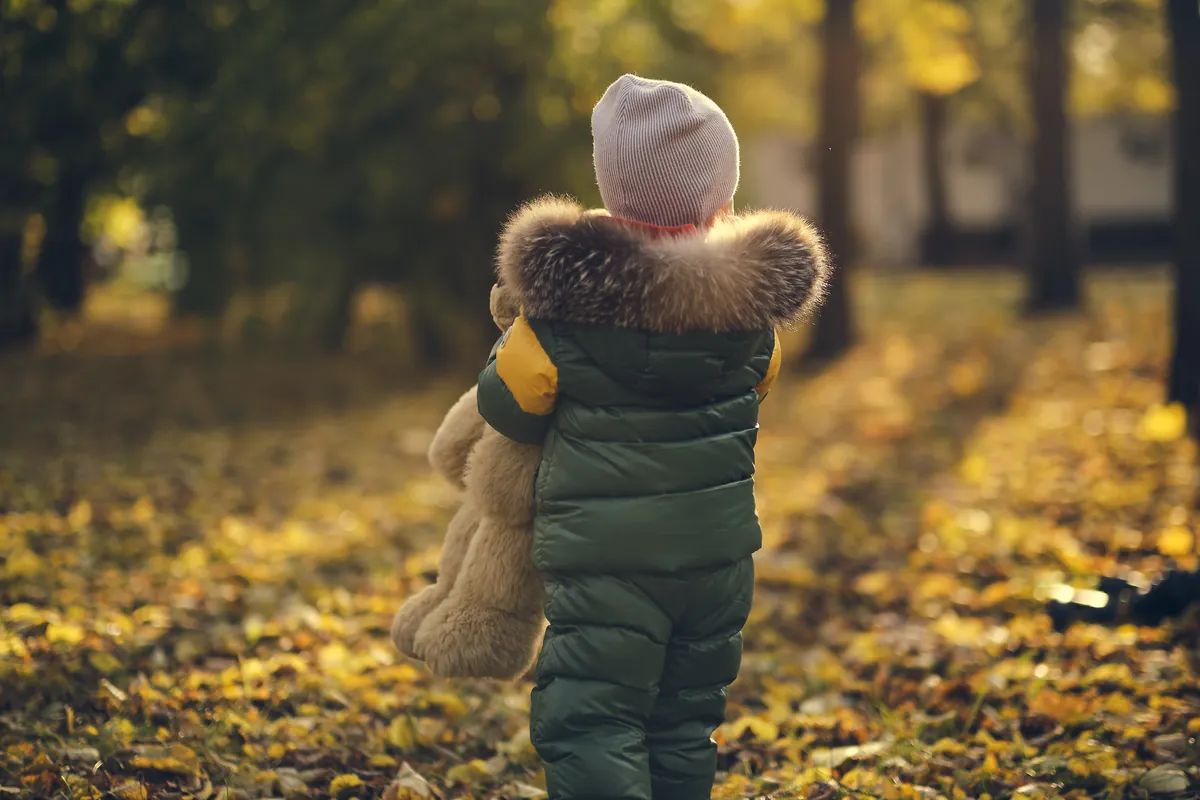
The importance of holding objects while walking
Key points: Holding objects while walking can actually improve a child’s balance, contrary to what one might think. A study showed that 90% of 13-mont
 Physical
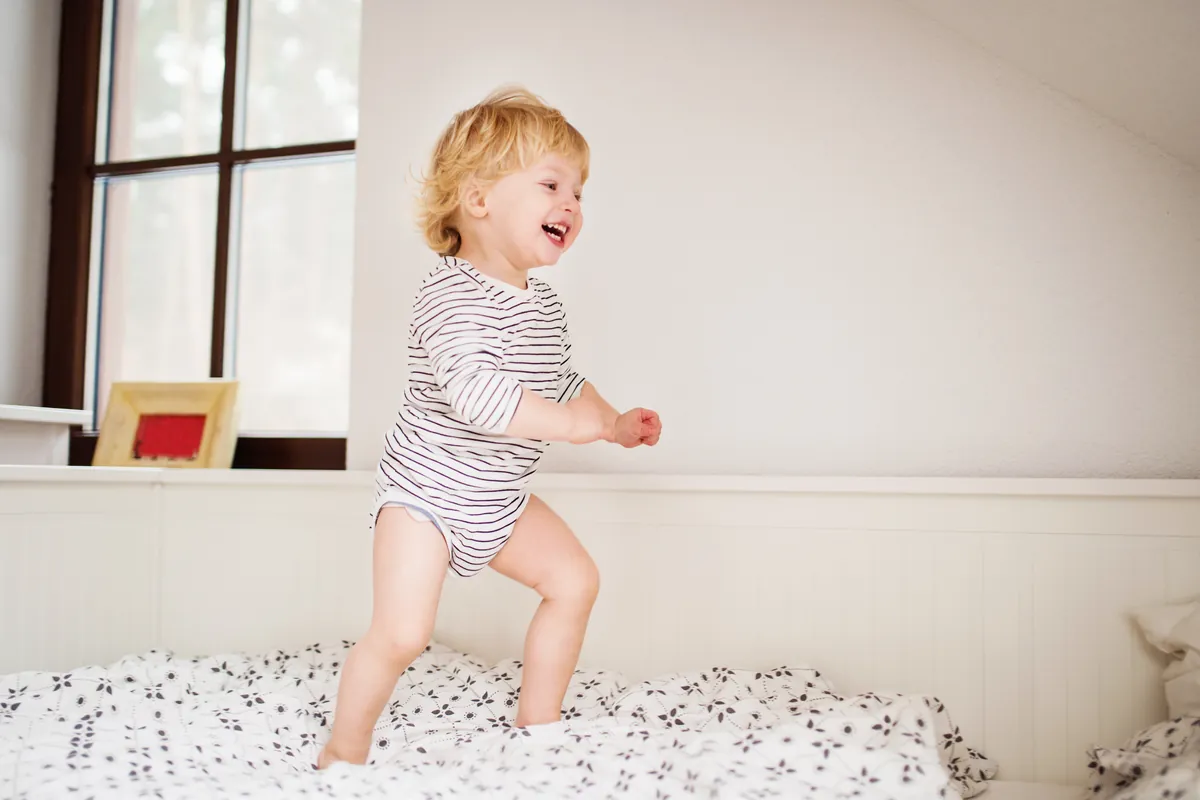
Becoming a jumping master
Key points: Jumping is an important gross motor skill that children can develop through different activities that focus on muscle strength, balance, p
 Physical
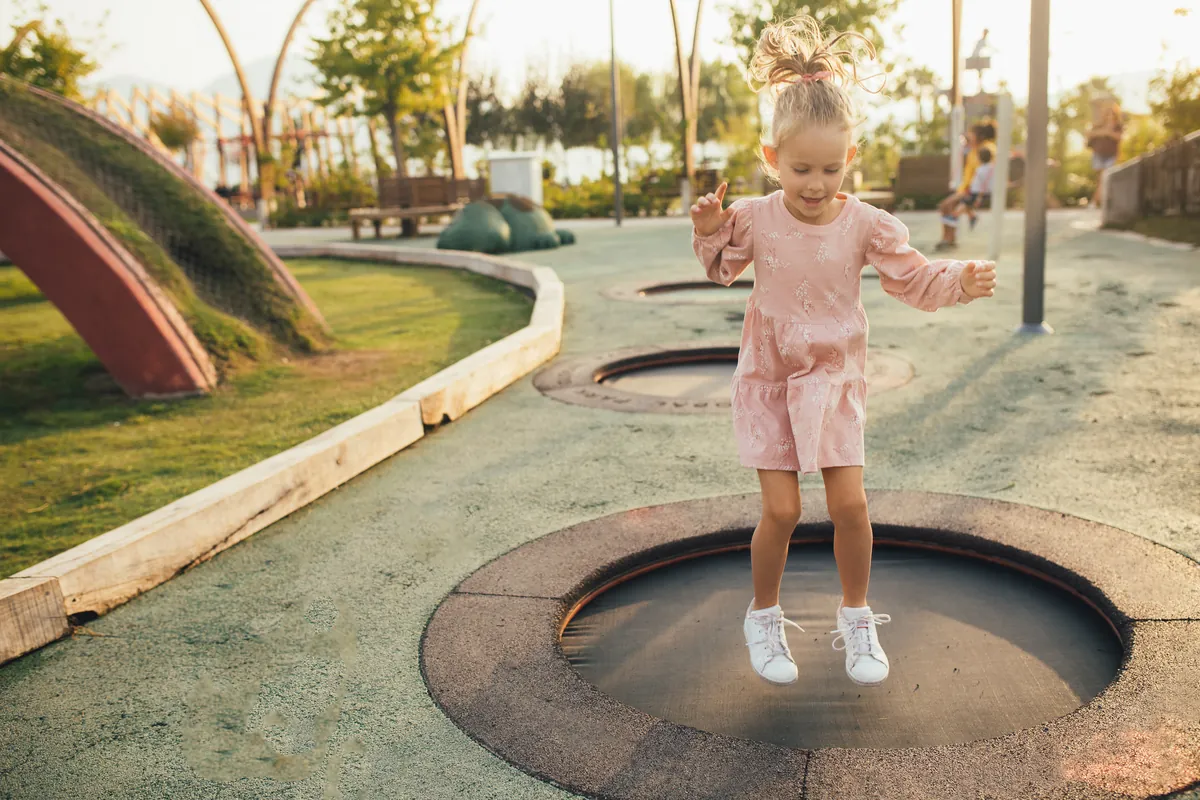
Jumping… It’s easy, right?
Key points: Jumping is a significant task for toddlers that requires courage, balance, strength, and body coordination. Toddlers typically start testi
 Physical
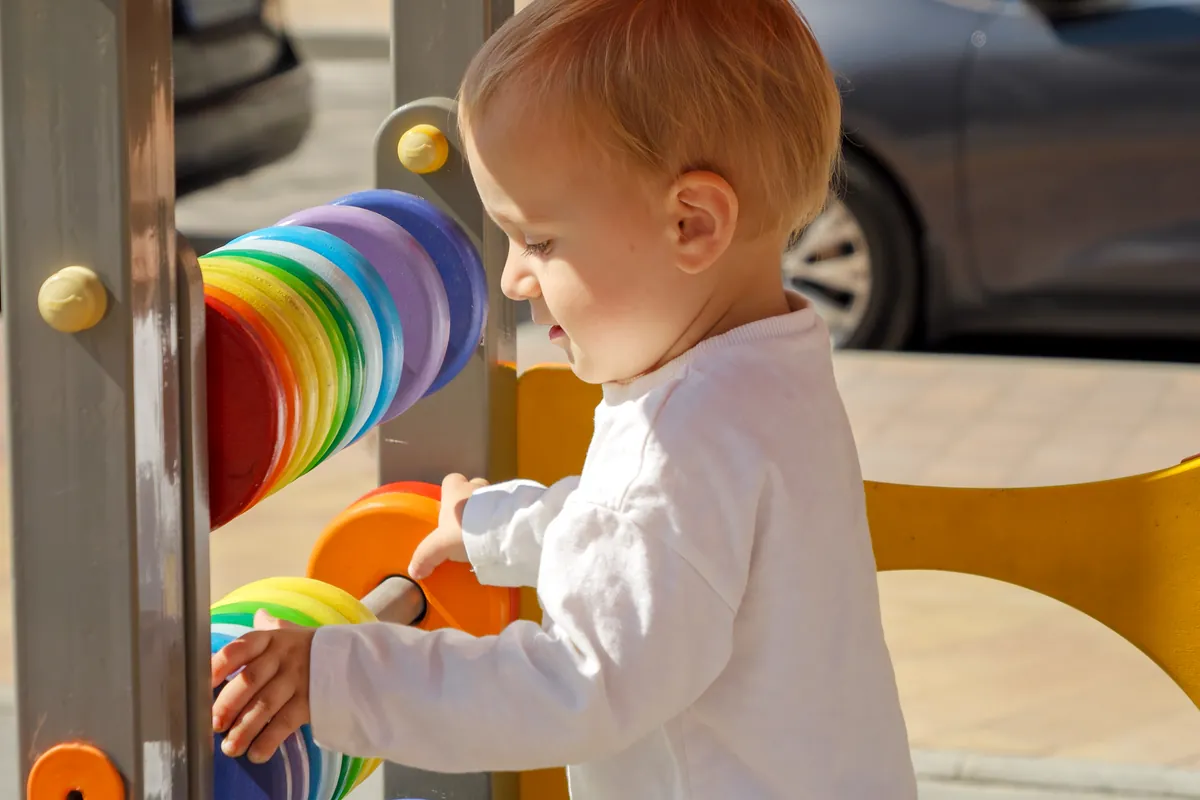
Activities to encourage your baby’s first steps!
Key points: Babies typically begin walking between the ages of 9 and 18 months, but all babies develop at their own pace. Certain exercises can help b
 Physical
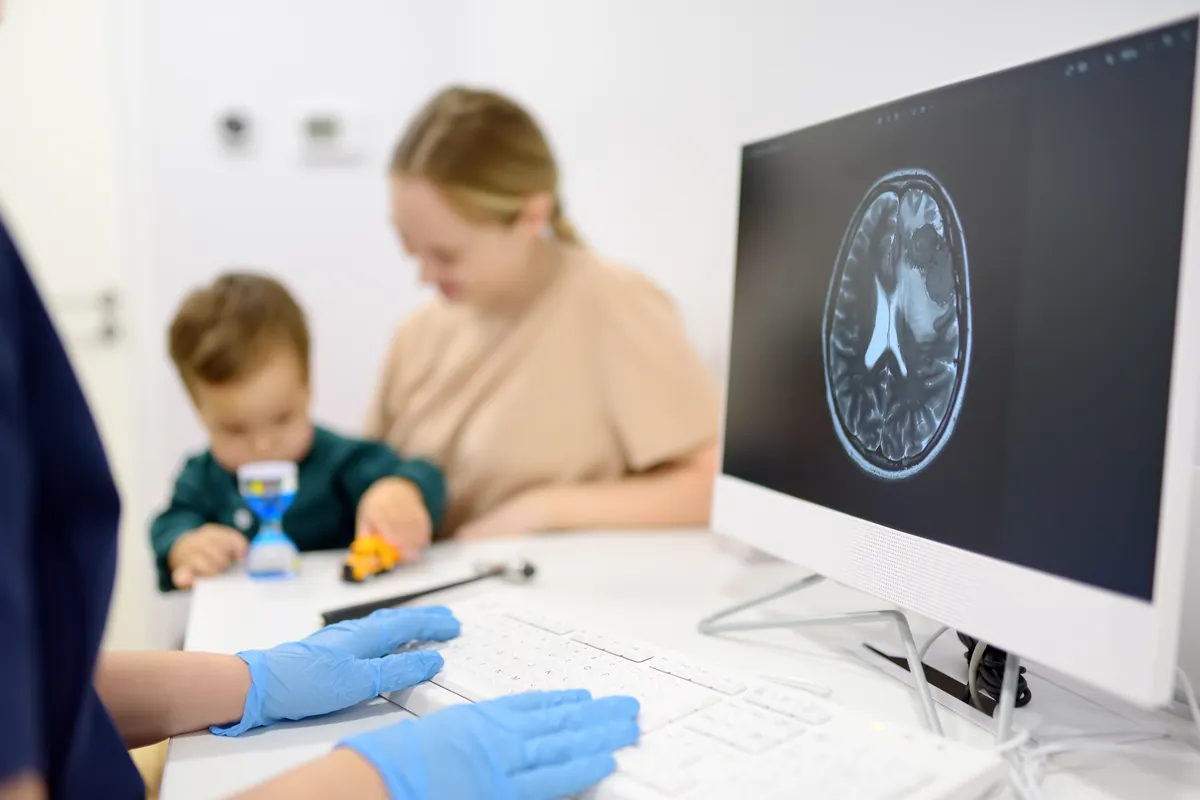
How does child development occur?
Key points: Development is not a linear process, but rather a complex and multifaceted journey. Early childhood development is domain-specific, with e
 Physical
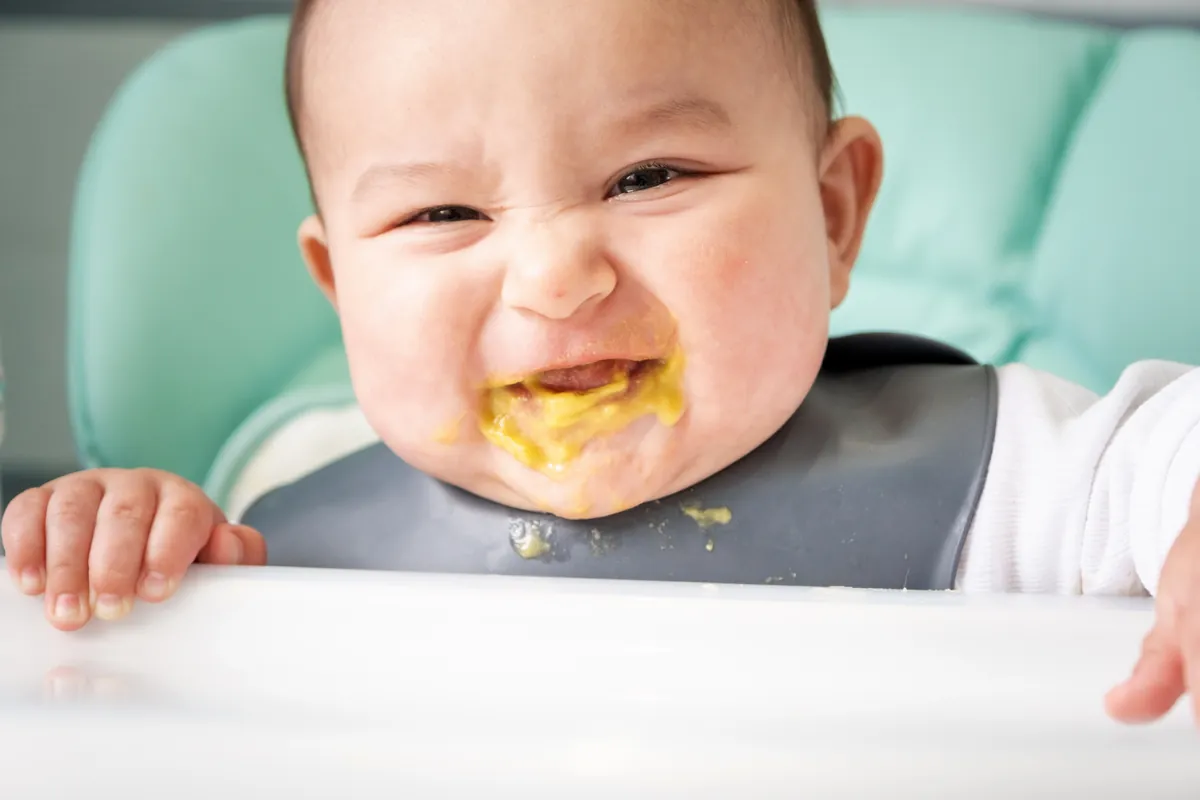
How is the sense of taste developed?
Key points: Taste is a complex sense influenced by various factors like texture, smell, and appearance of food. Taste buds begin forming in the womb a
 Physical
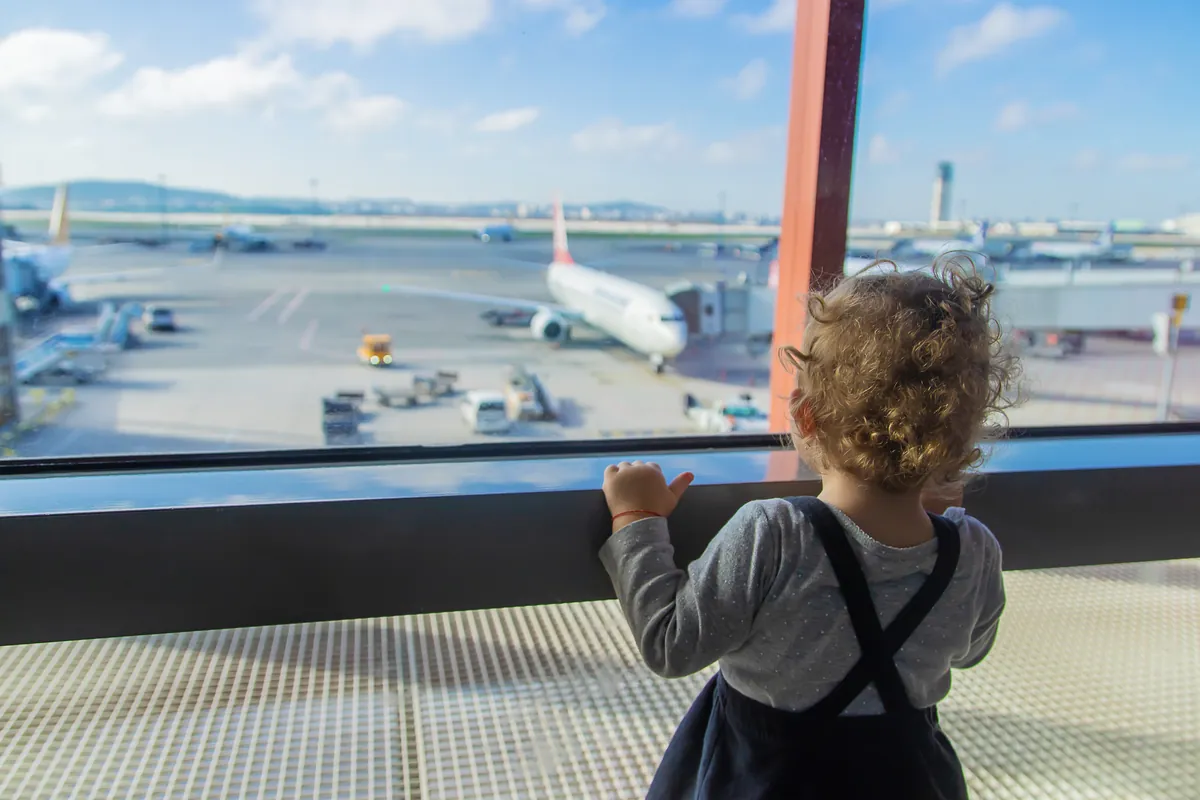
School is out: The best tips and tricks for vacations
Key points: School break activities are vital for stimulating and entertaining your child. Tips include maintaining a schedule, planning daily activit
 Physical
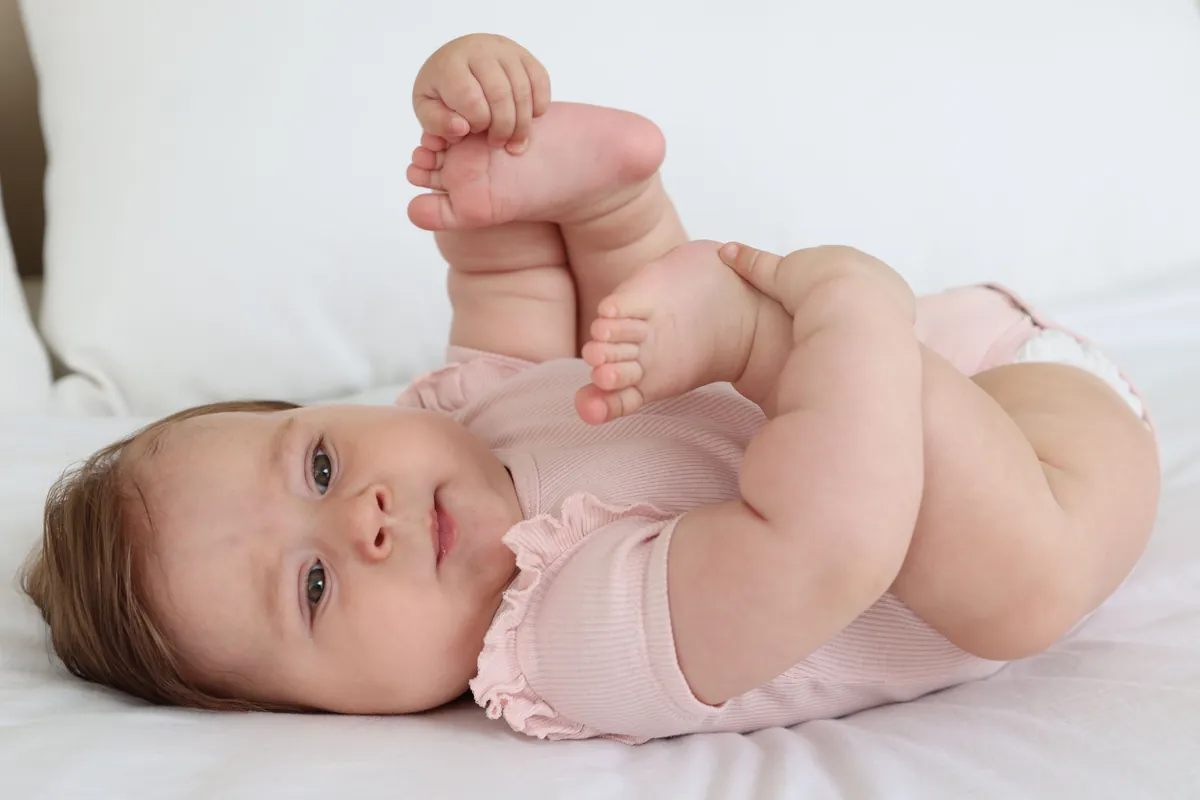
Baby’s first movements and coordinations
Key points: The first six months of a baby’s life is a crucial period for motor development. Parents can foster motor development by providing sensory
 Physical
Hand preference and language skills
Key points: Hand preference or dominance emerges between 2 and 4 years of age in most children. Hand preference stabilizes at around 18 months, with 8
 Physical
From big to small muscles
Key points: Physical development includes gross and fine motor skills, involving large and small muscle movements. Milestones like crawling and scribb
 Physical
Object manipulation: Learning how the world works PART 2
Key points: Object manipulation in early development is crucial for later language, communication, and gestural skills. Exploration of objects is link
 Physical
Object manipulation: Learning how the world works PART 1
Key points: Your child’s manipulative skills involve using objects to complete tasks and are essential for understanding the world. They progress from
 Physical
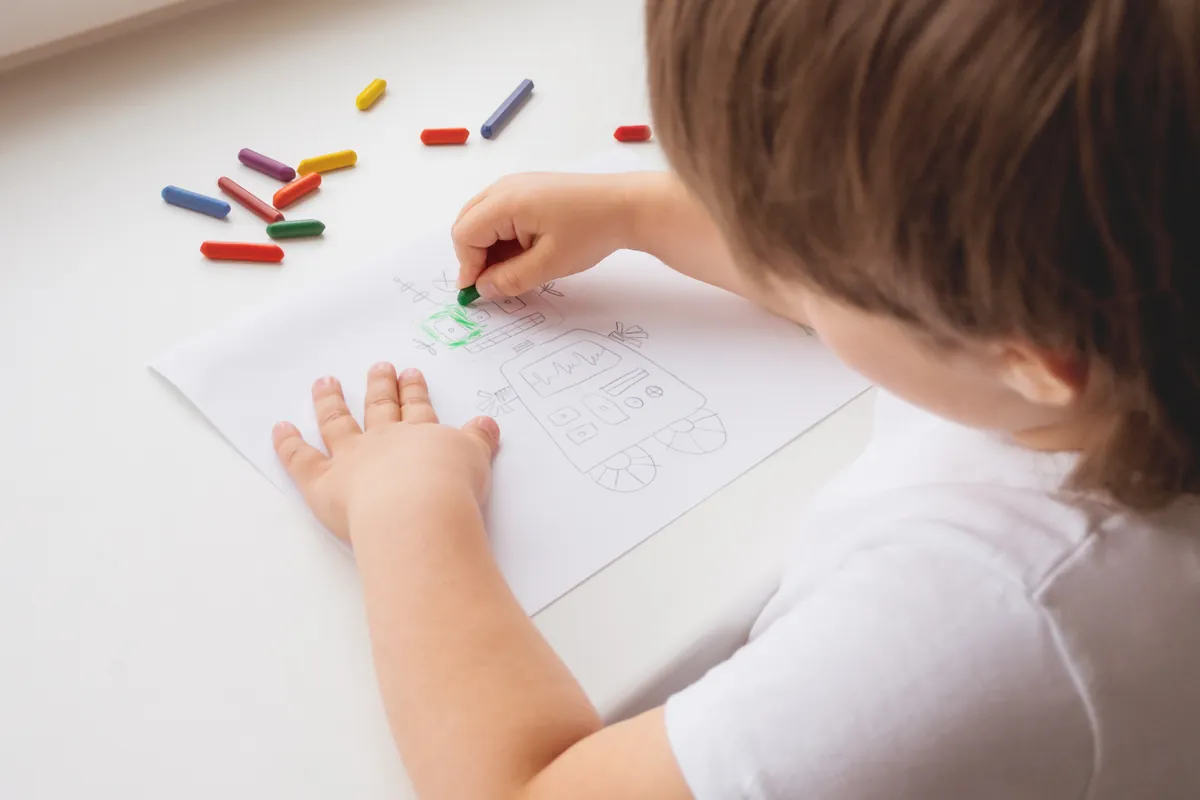
Fine motor skills: The art of scribbling and writing PART 2
Key points: Around 34 months, your child starts holding crayons with a more mature grip, preparing for writing. They plan their drawings, love copying
 Physical
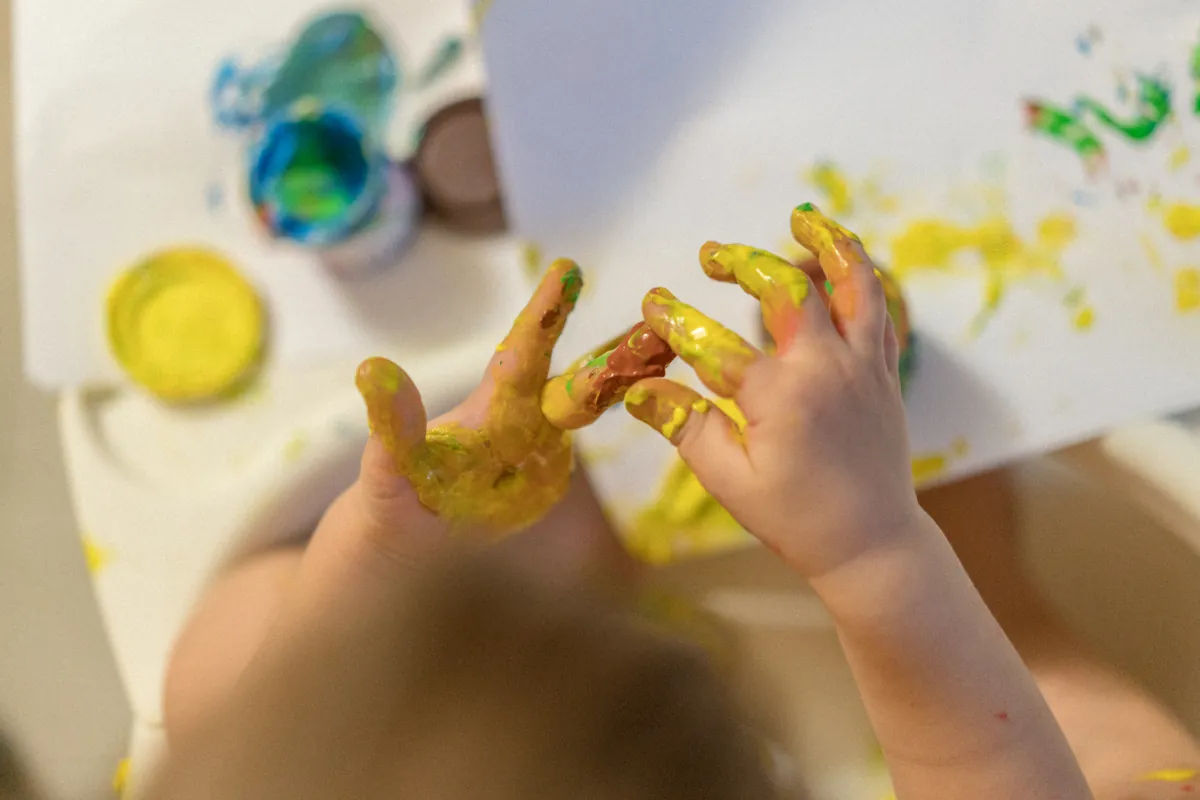
Fine motor skills: The art of scribbling and writing PART 1
Key points: Scribbling is a crucial early step in preparing your child for reading and writing. It fosters hand and finger control, thinking skills, a
 Physical
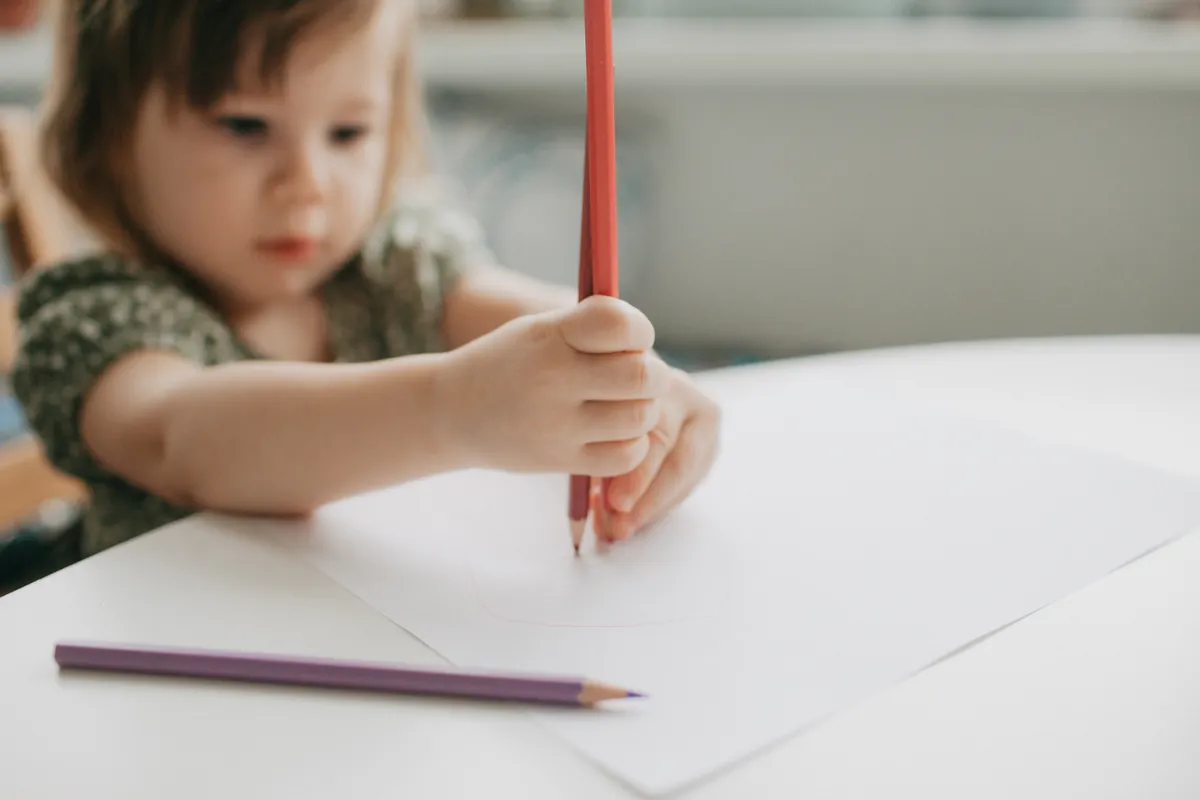
How to develop your child’s pencil grip for better handwriting
Key points: From birth, your child begins developing hand and finger strength, preparing for tasks like drawing and writing. Motor skills progress fro
 Physical
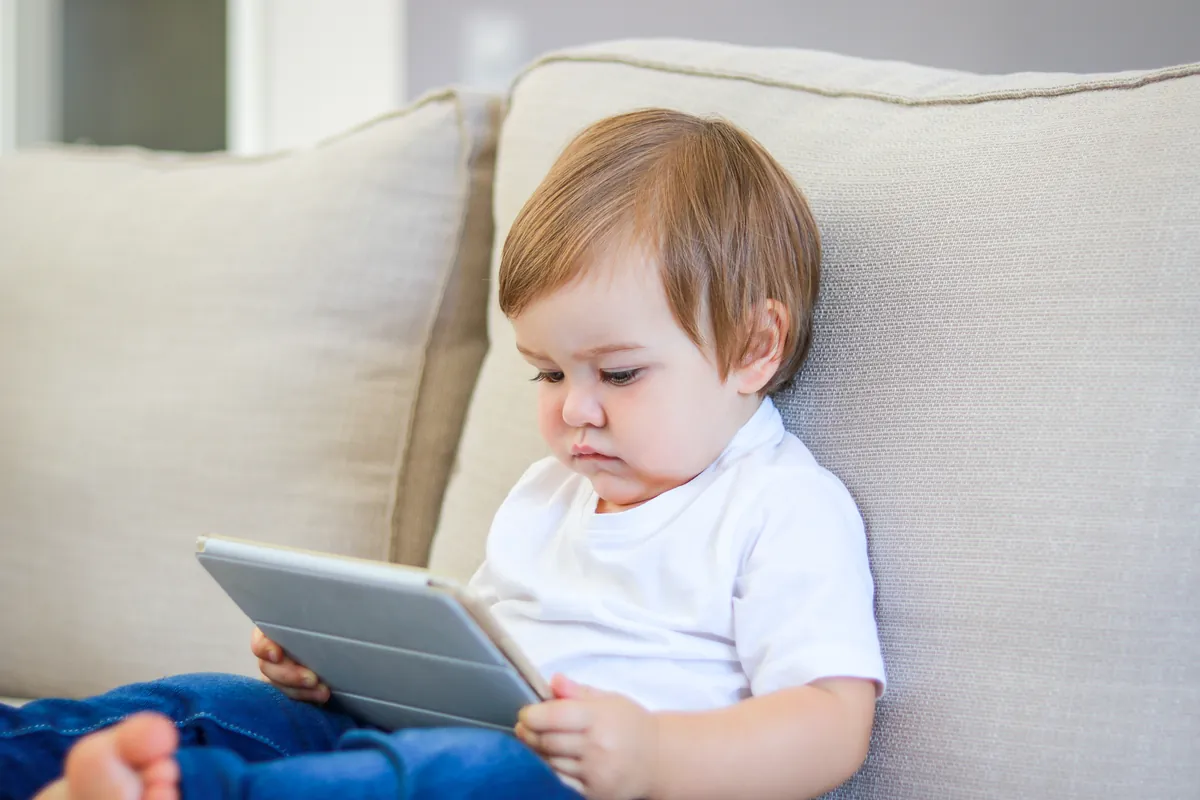
How screen time impacts handwriting skills
Key points: Fine motor skills are crucial for holding and manipulating objects, which are essential for tasks like writing, buttoning a shirt, and tyi
 Physical
Why hand and finger control are so important
Key points: Hand control and finger strength are essential for your child’s development. Fine motor skills, including finger positioning and isolation
 Physical
Developing tiny hands and fingers with blocks
Key points: Help your baby develop hand and finger strength, control, and coordination from an early age. Blocks are a valuable tool for building thes
 Physical
Preparing your home for your crawling baby PART 2
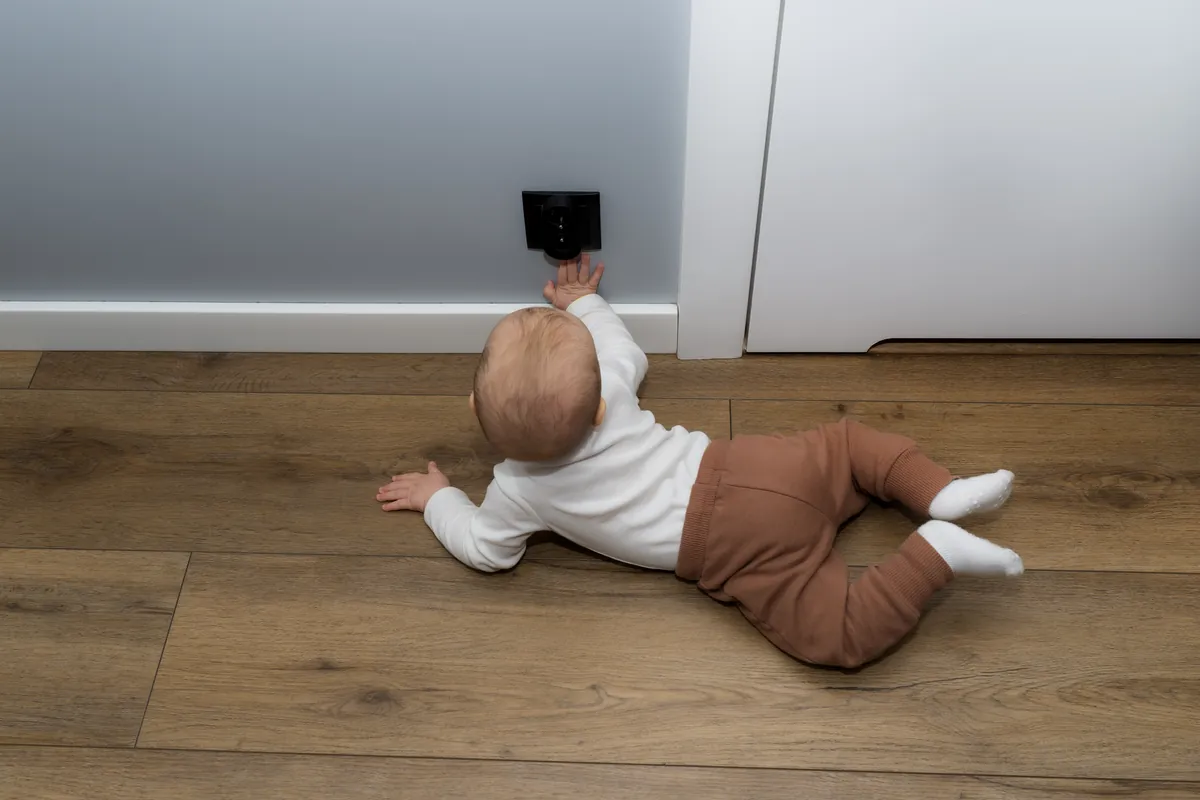
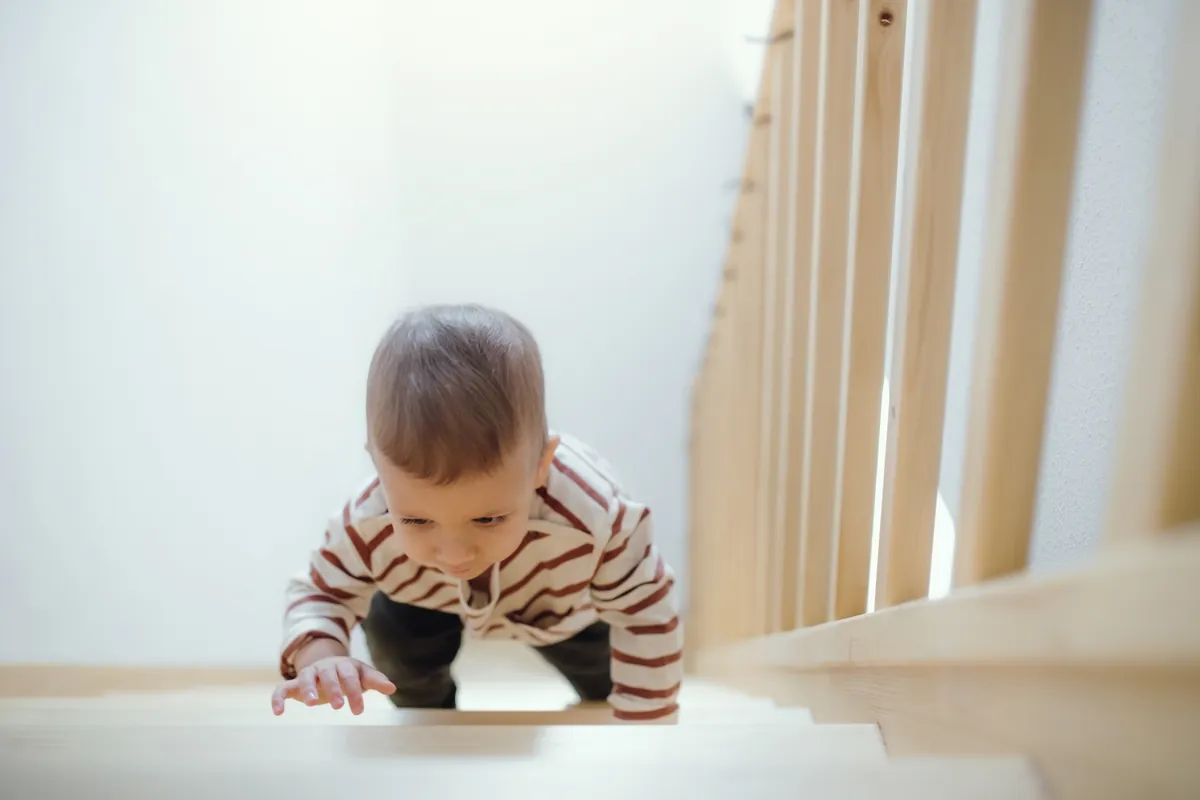
Key points: Childproof your home by addressing furniture with sharp edges and hard corners, especially coffee tables. Secure electrical outlets with s
 Physical
Preparing your home for your crawling baby PART 1
Key points: Ensure constant care and supervision for your moving baby to prevent accidents. Baby-proof your home by securing furniture, anchoring book
 Physical
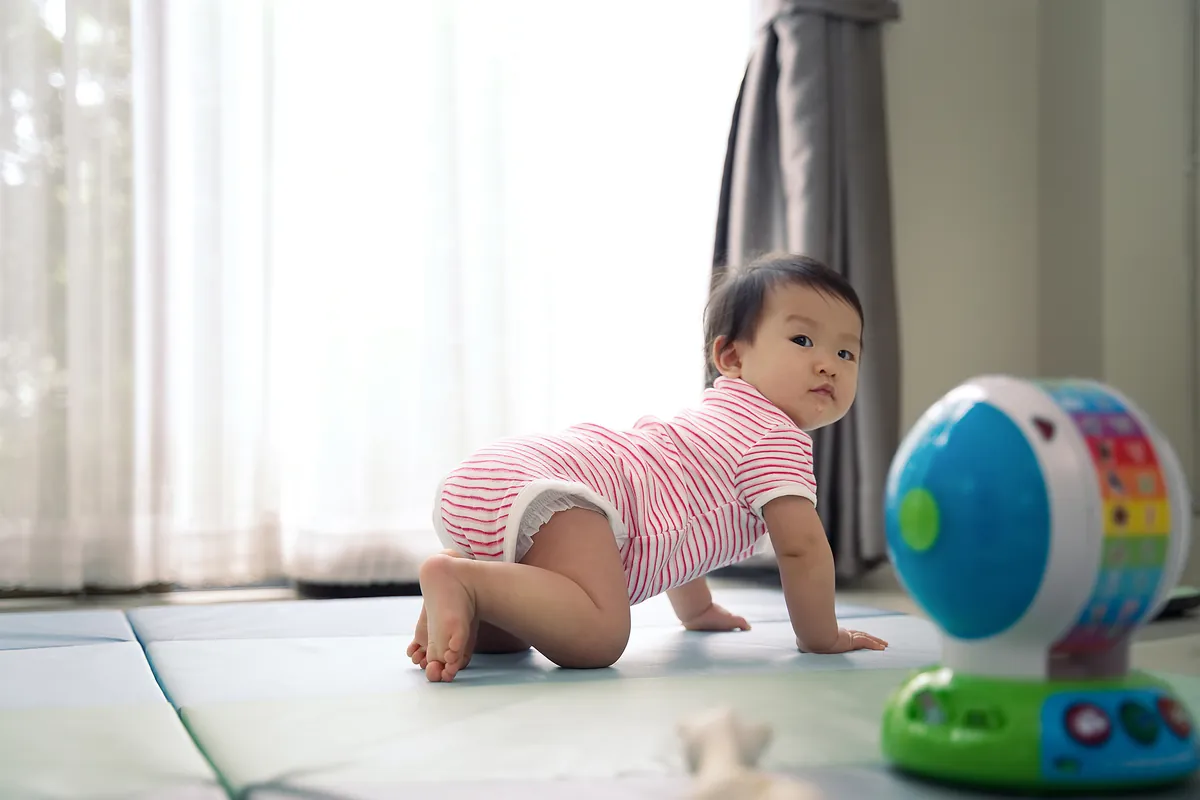
When should I worry about my baby not crawling?
Key points: Understand that crawling styles can vary, and your baby will choose what’s most rewarding for them. Prior to walking, babies need to pract
 Physical
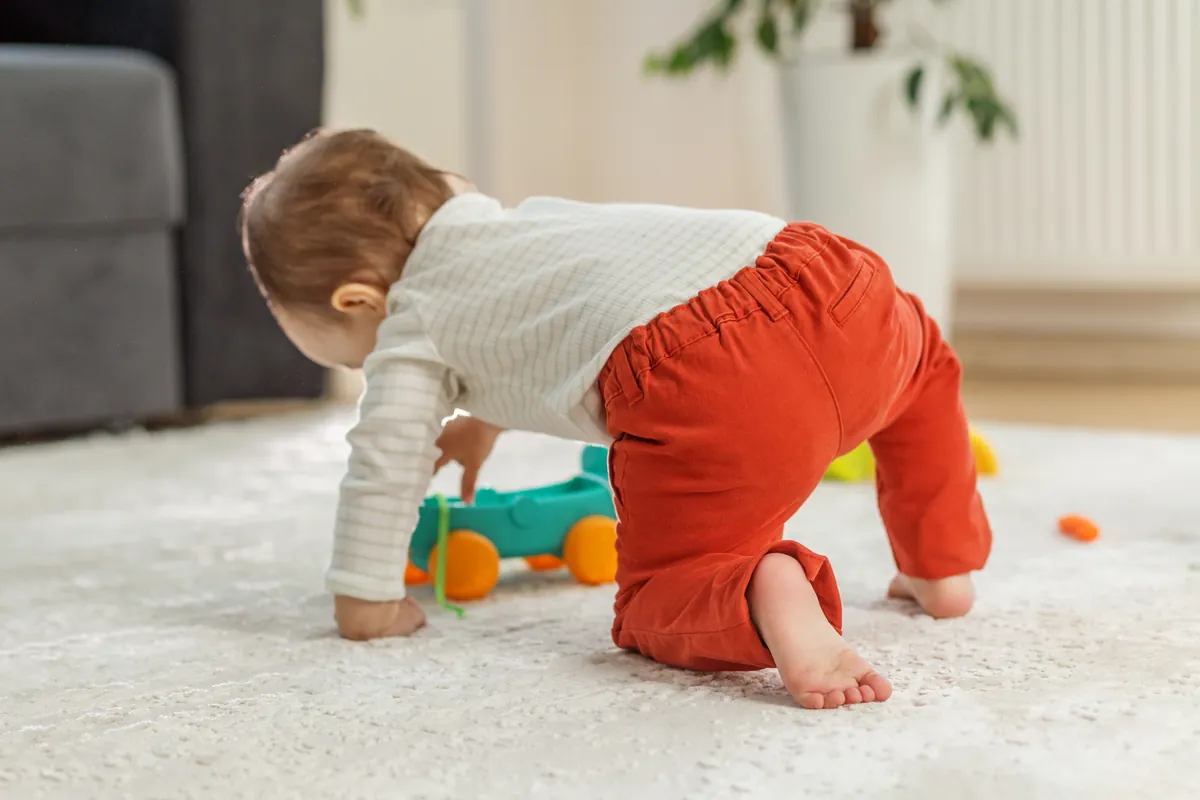
At what age do babies crawl?
Key points: Crawling usually occurs between 8-10 months, but the window for crawling can start around 6 months. Look for early signs like pushups duri
 Physical
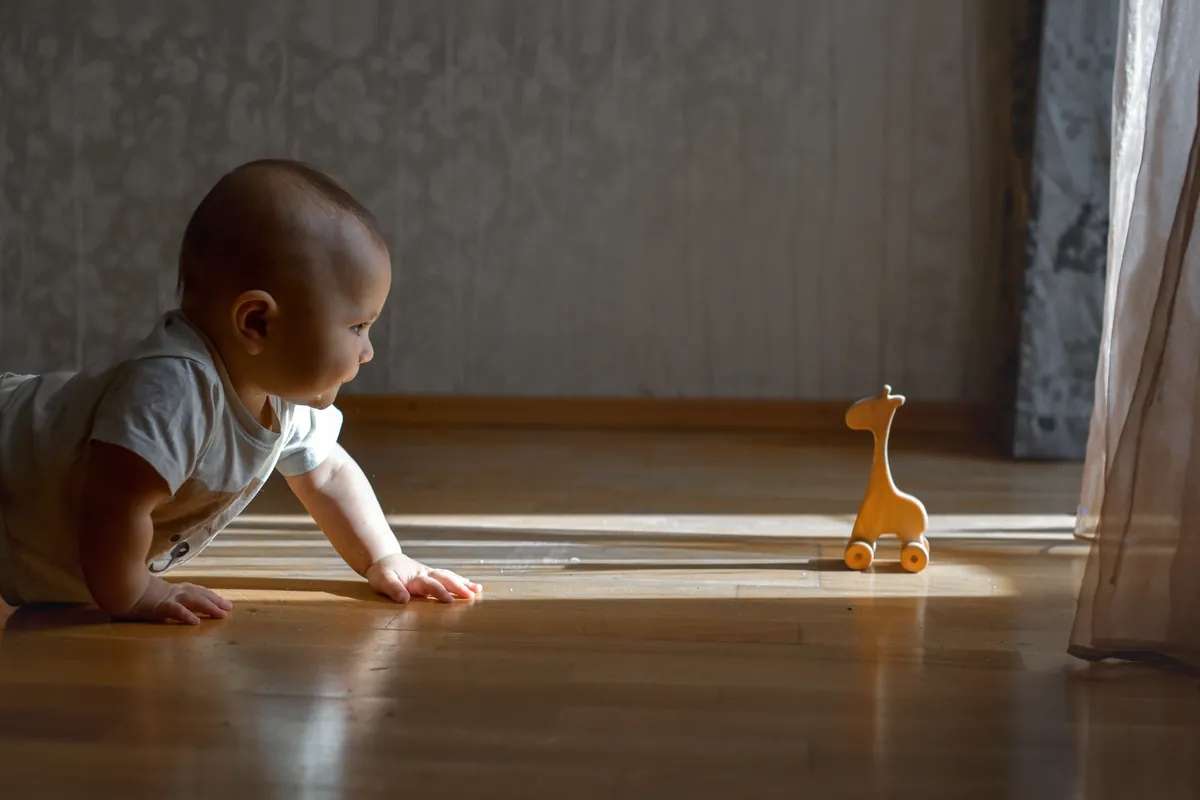
The many skills involved in crawling
Crawling is an important part of your baby’s development. They’re now getting mobile, so prepare to be chasing them around from room to room. In this
 Physical
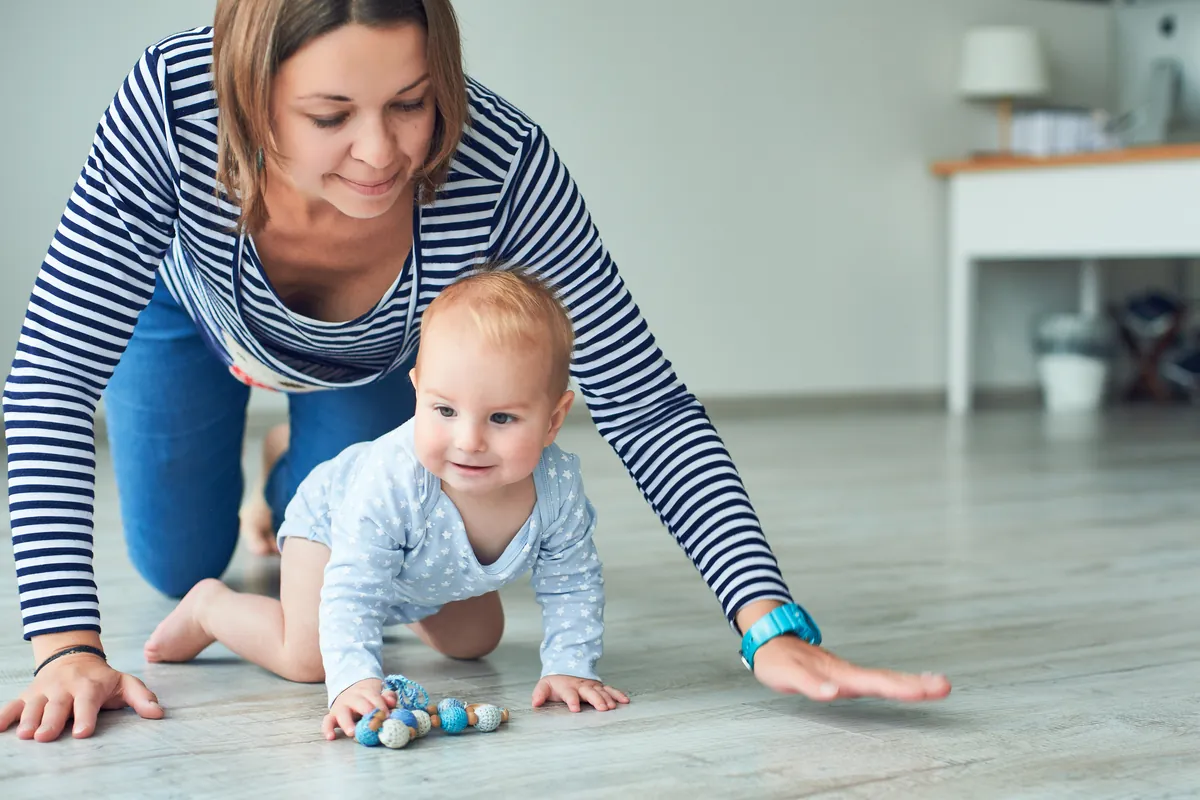
6 tips to support your baby’s crawling skills
Key points: Encourage tummy time from birth to strengthen neck, shoulder, arm, and leg muscles. Promote reaching for toys as it helps develop essentia
 Physical
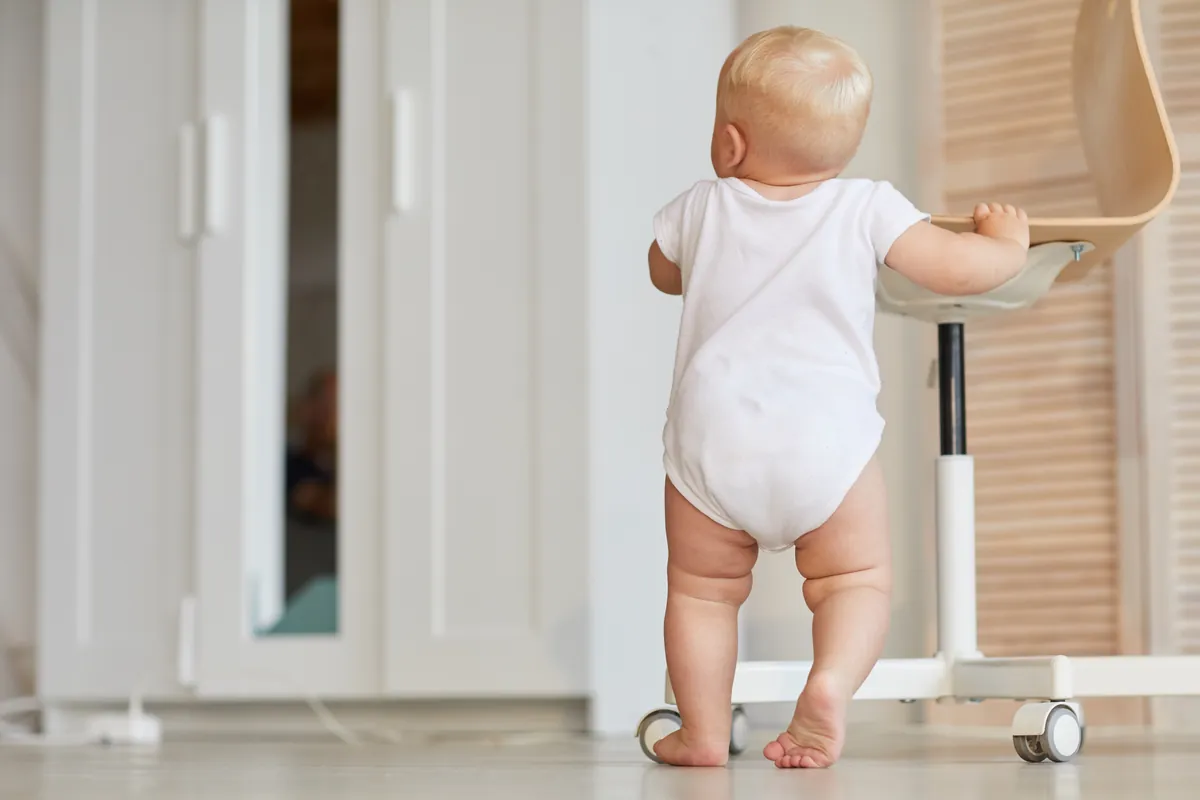
Are walkers good or bad for my baby’s development?
Key points: Baby walkers do not help your baby learn to walk and can hinder the walking development. Using a baby walker can lead to delayed muscle co
 Physical
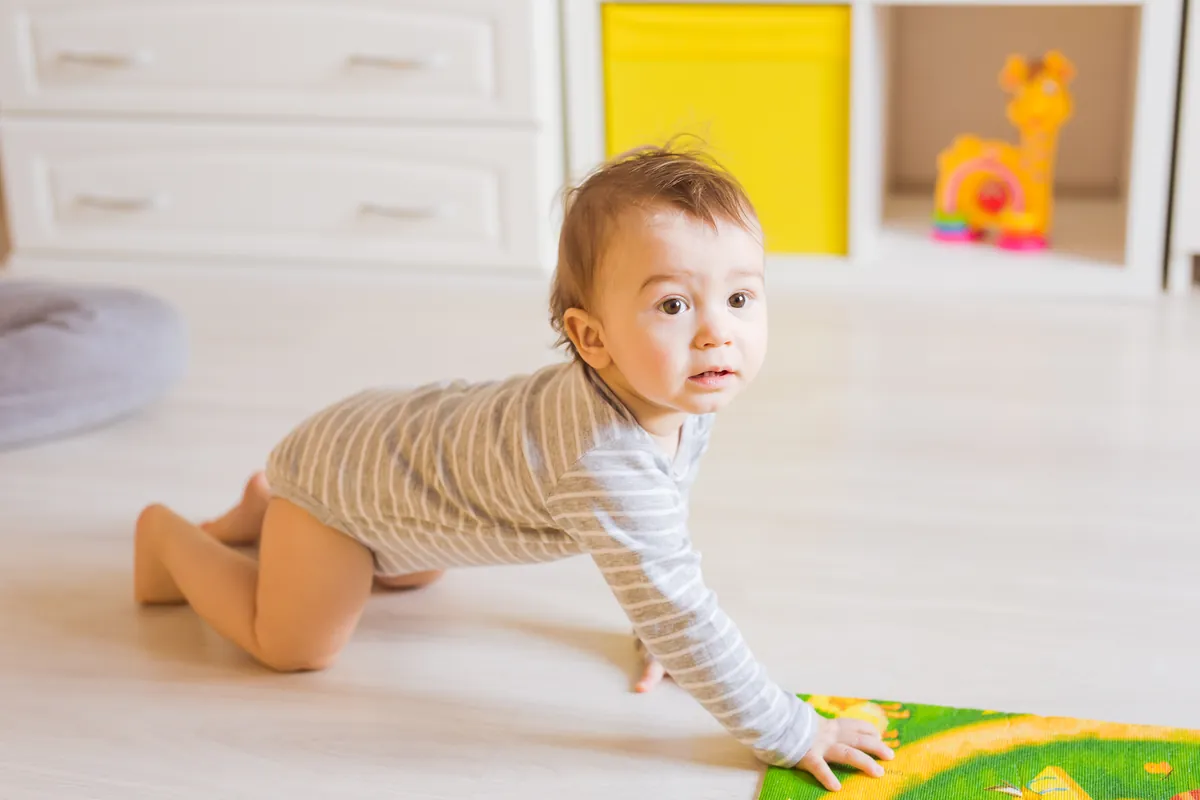
Why is my baby crawling backwards?
Key points: Babies may crawl backward before they crawl forward during their learning process. Crawling develops between 6 to 10 months, and not all b
 Physical
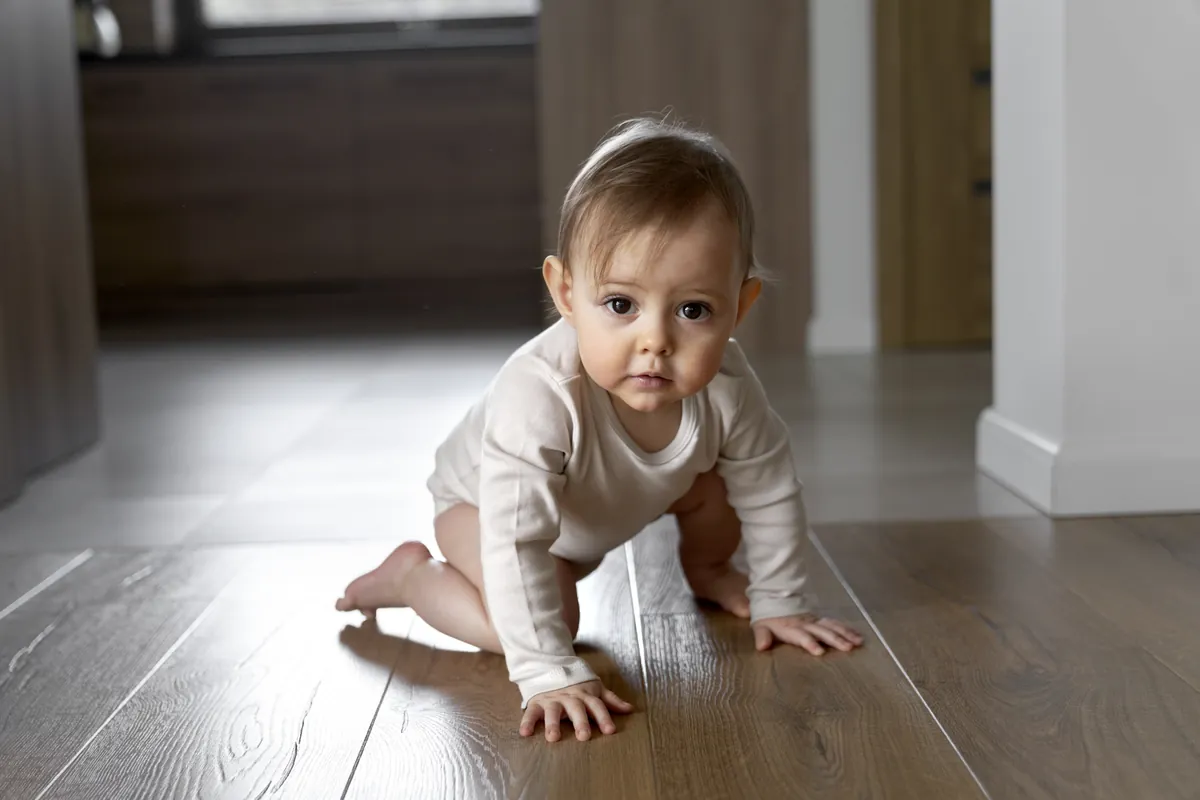
Is my baby showing signs that they are ready to crawl?
Key points: Babies typically start crawling between 6-10 months, but each child develops at their own pace. Crawling may be more challenging for heavi
 Physical
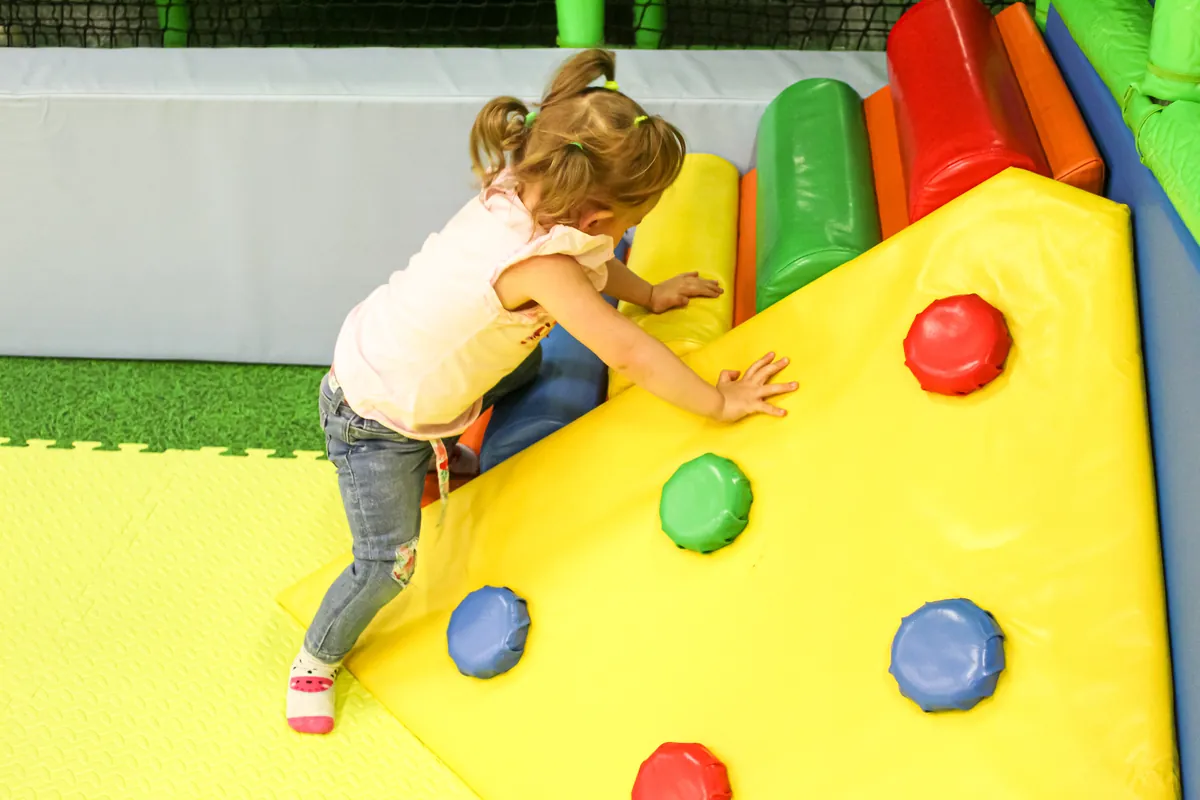
How do I nurture my child’s physical skills?
Key points: 1. The development of physical skills is essential in your child’s growth journey, from grasping your finger to playing on the playground.
 Physical
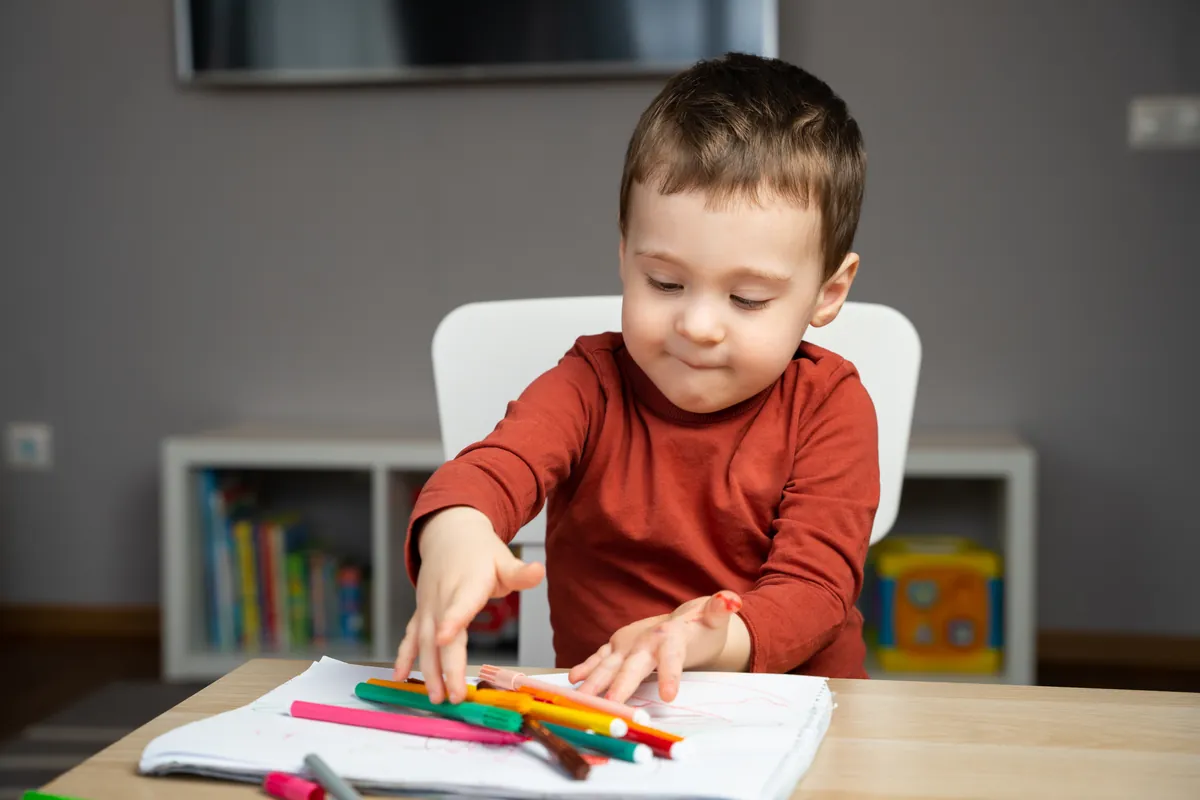
Writing and drawing: What can my little one do at each stage?
Key points: 1. Writing and drawing skills develop gradually, starting with random scribbling around 16 months. 2. Controlled scribbling and repetition
 Physical
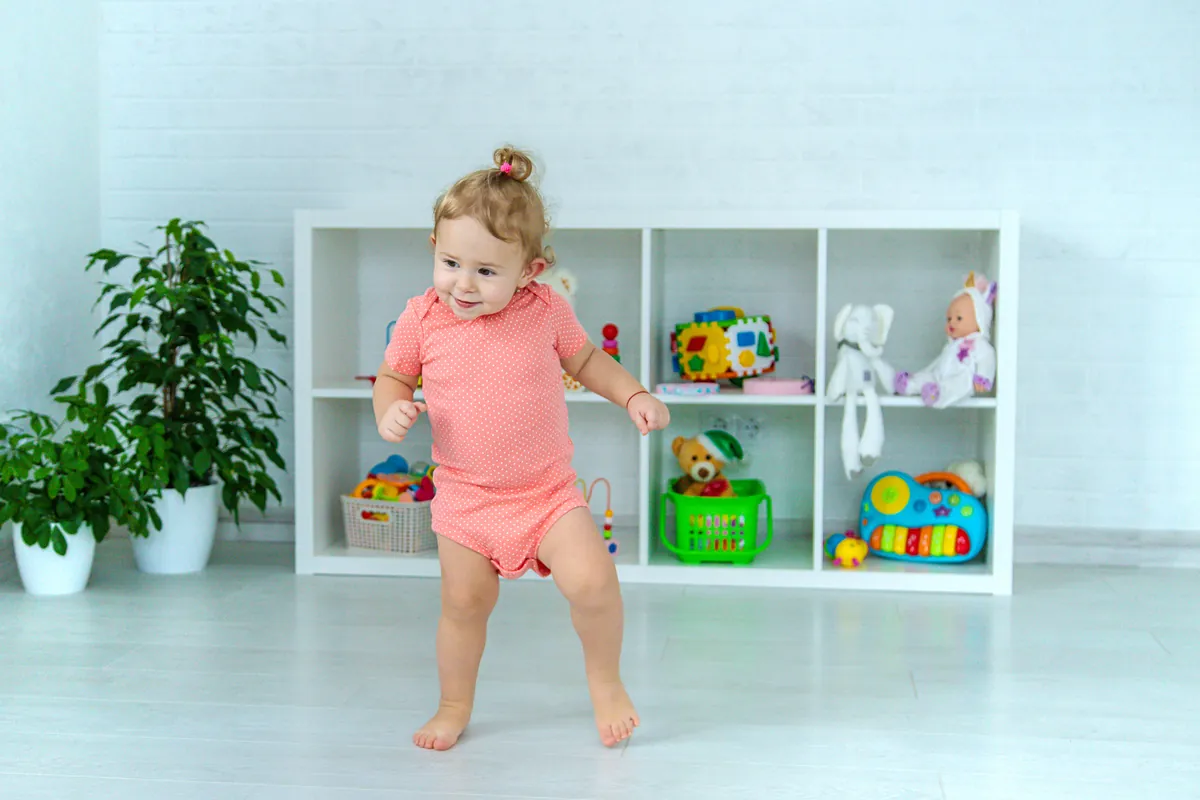
What is “movement play”?
Key points: 1. Movement play is crucial for early childhood development, impacting physical, linguistic, social-emotional, and cognitive areas. 2. Mov
 Physical
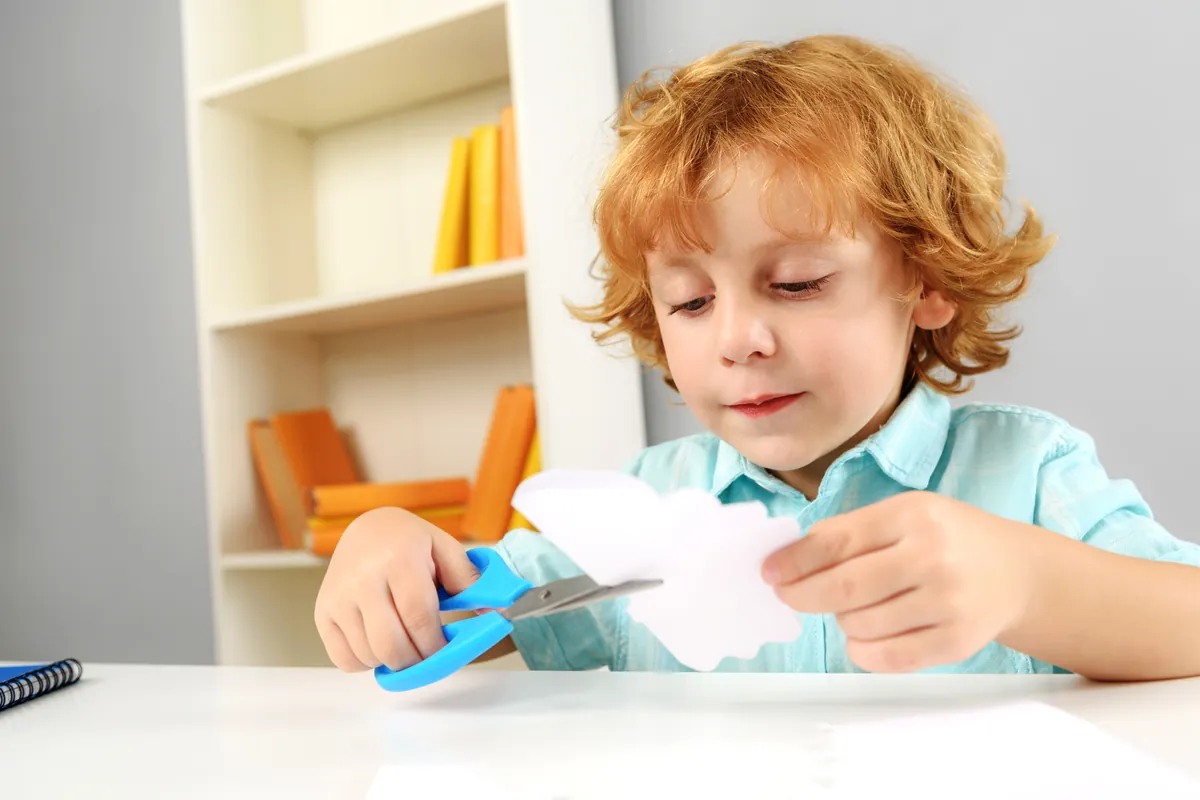
How to foster fine motor skills using scissors?
Key points: Scissor use develops hand muscles and coordination. Skills needed for scissors include hand separation and hand-eye coordination. Everyday
 Physical
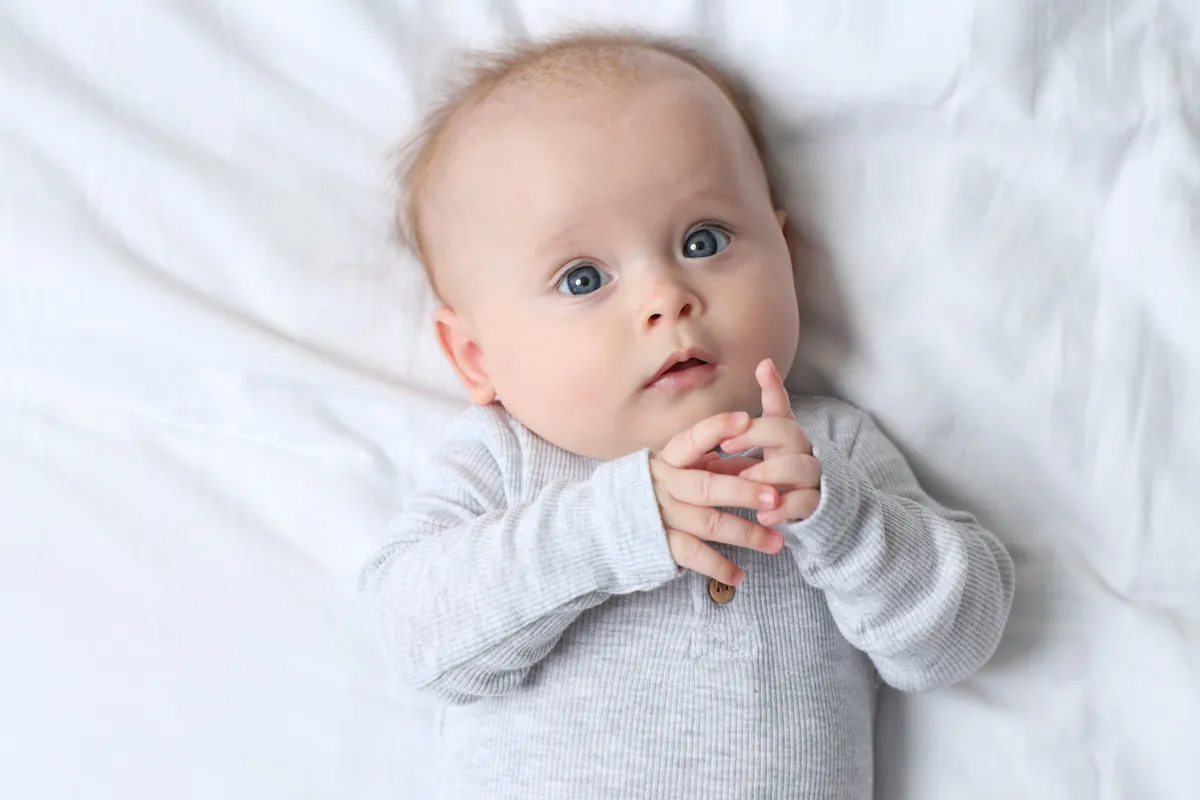
When do babies discover their hands?
Key points: Babies initially can’t associate what they see with what they touch due to limited hand coordination. Stimulating a baby’s hand coordinati
 Physical
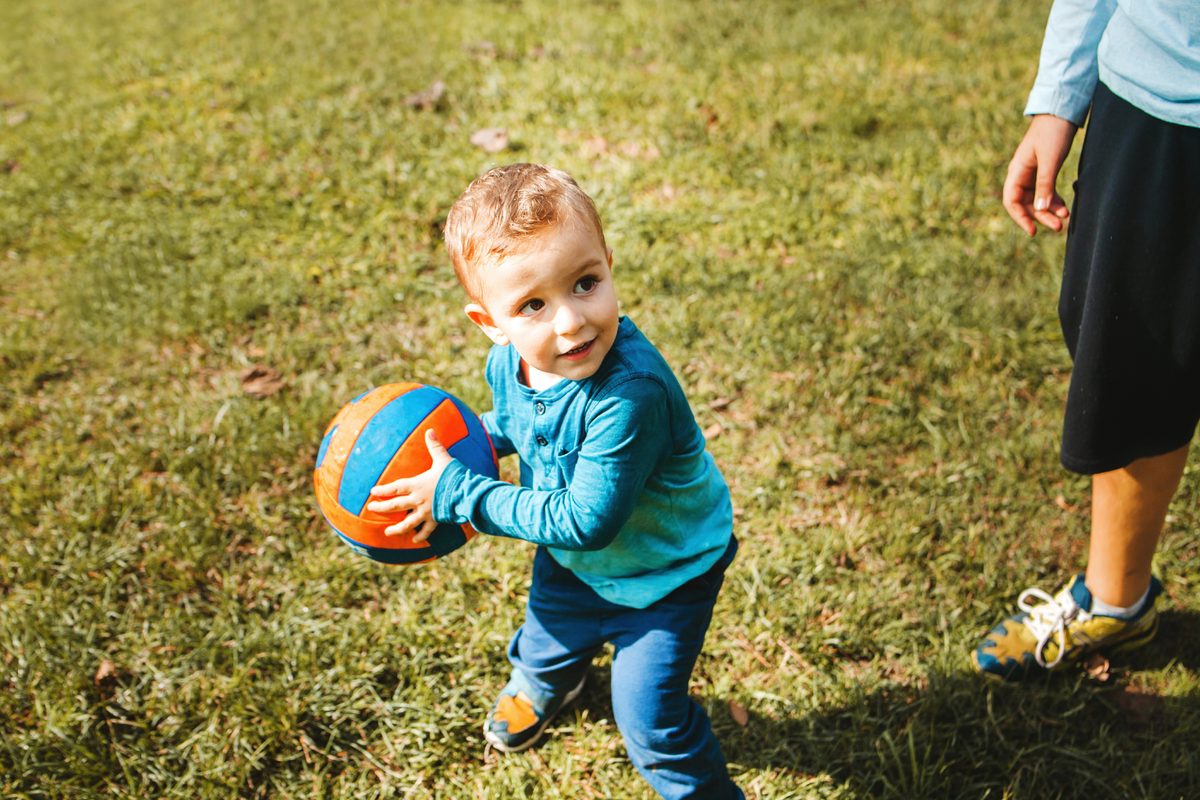
Catching skills and developing coordination
Key points: Preschool years are critical for motor skills development. Catching a ball involves cognitive and physical skills. Children progress from
 Physical
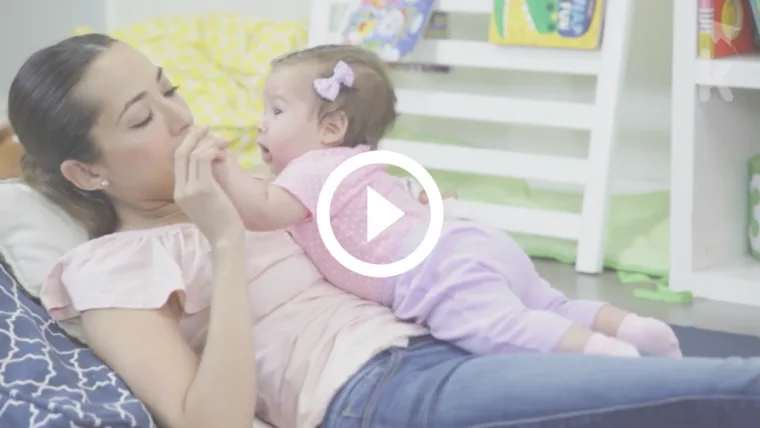
How are social skills and walking skills connected?
Key points: Developmental skills in early childhood are interdependent, connected, and intertwined. Independent walking is an important milestone for
 Physical
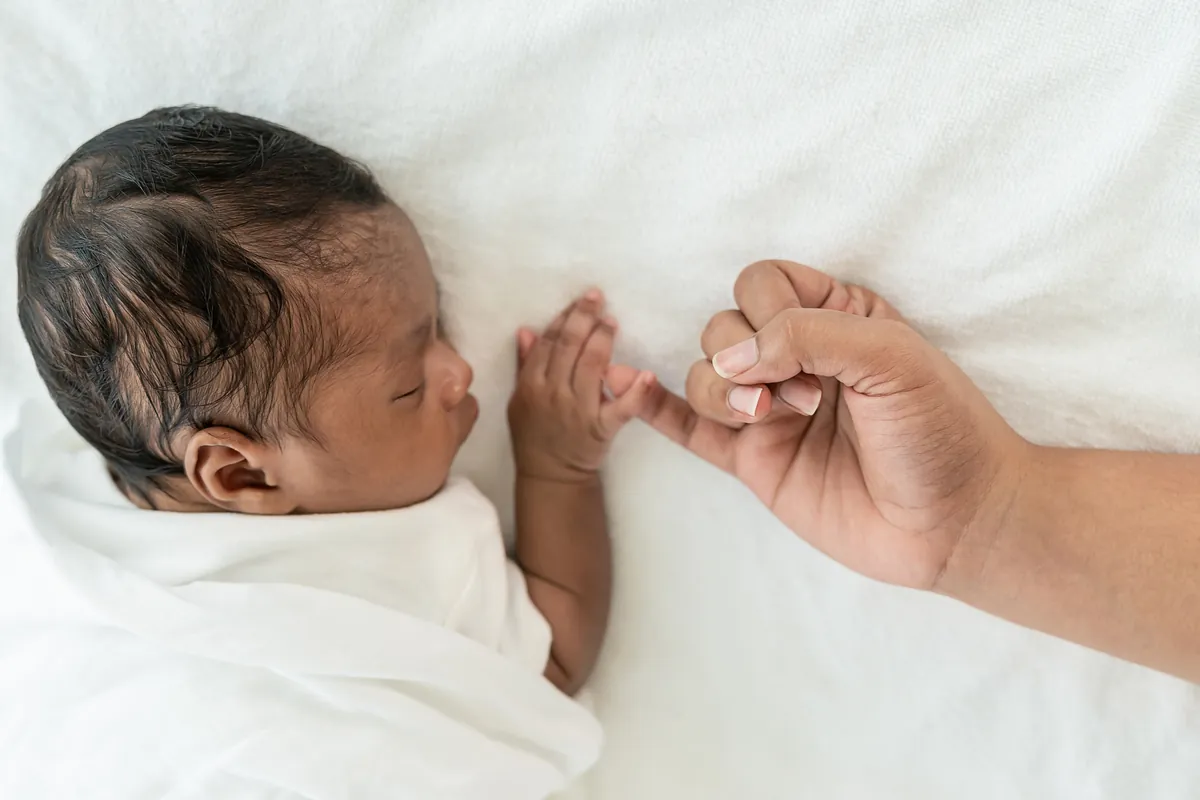
What are the newborn reflexes?
Key Points: Newborn reflexes are innate survival mechanisms that protect infants from harm and indicate the proper functioning of the brain and nervou
 Physical
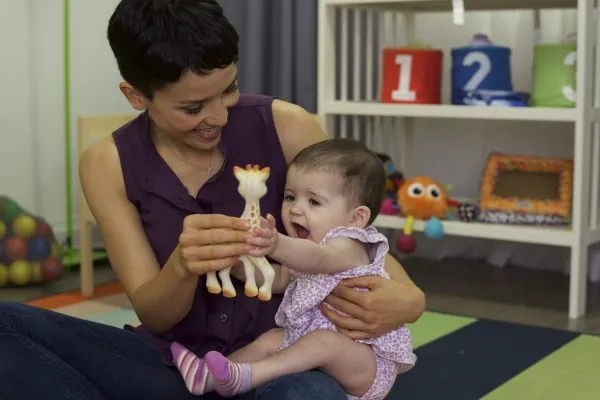
What are the fine motor skills?
Key points: 1. Fine motor skills involve precise hand and finger movements. 2. Progress from reflexive grasping to purposeful object interaction. 3. K
 Physical
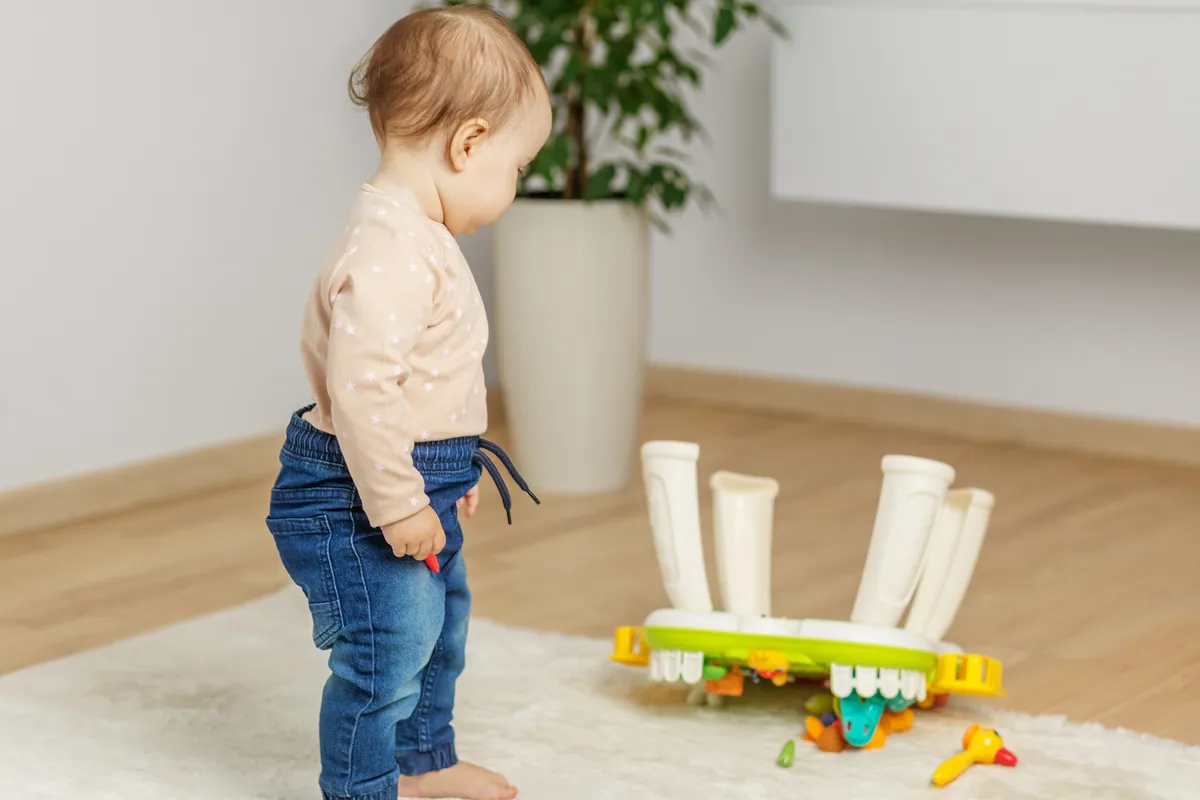
When do babies stand up?
Key points: Learning to stand is a significant milestone on the path to a baby’s first steps, requiring muscle strength, coordination, and the ability
 Physical
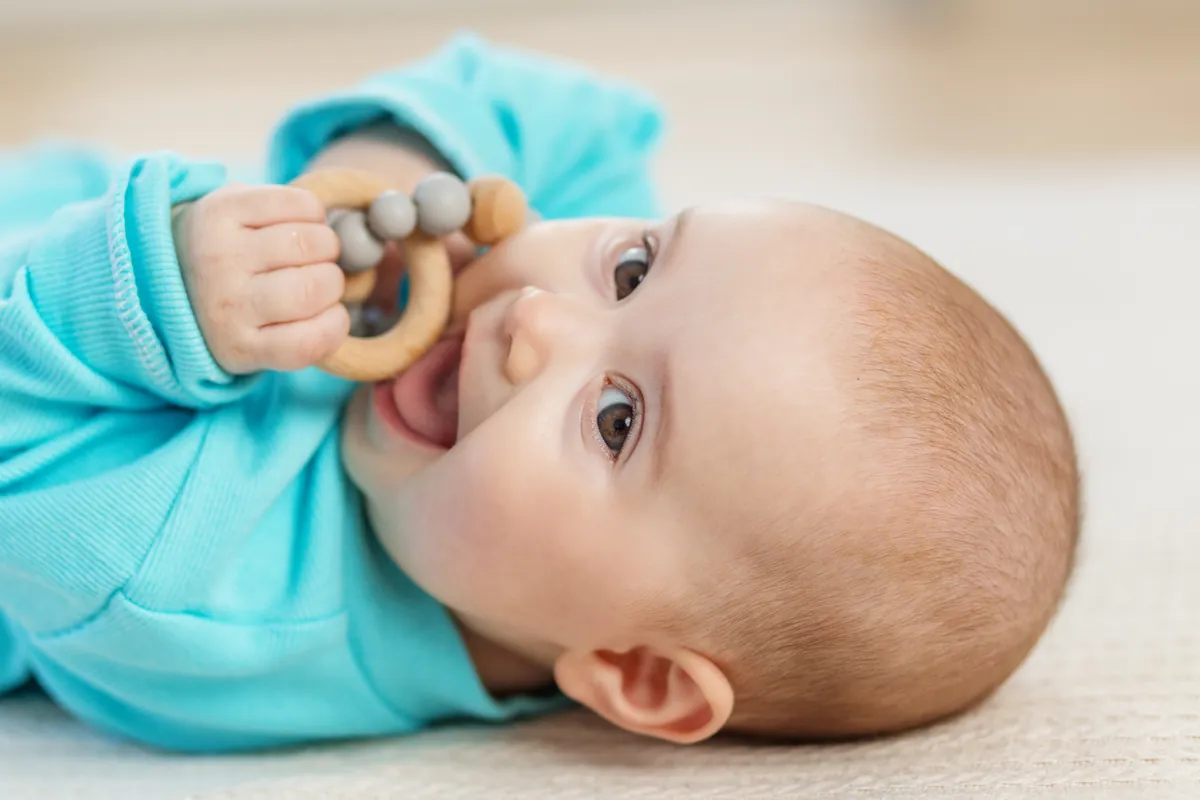
Why do babies put everything in their mouth?
Key points: 1. Mouthing objects helps babies explore textures and tastes, aiding their development. 2. Babies may mouth objects more during teething,
 Physical
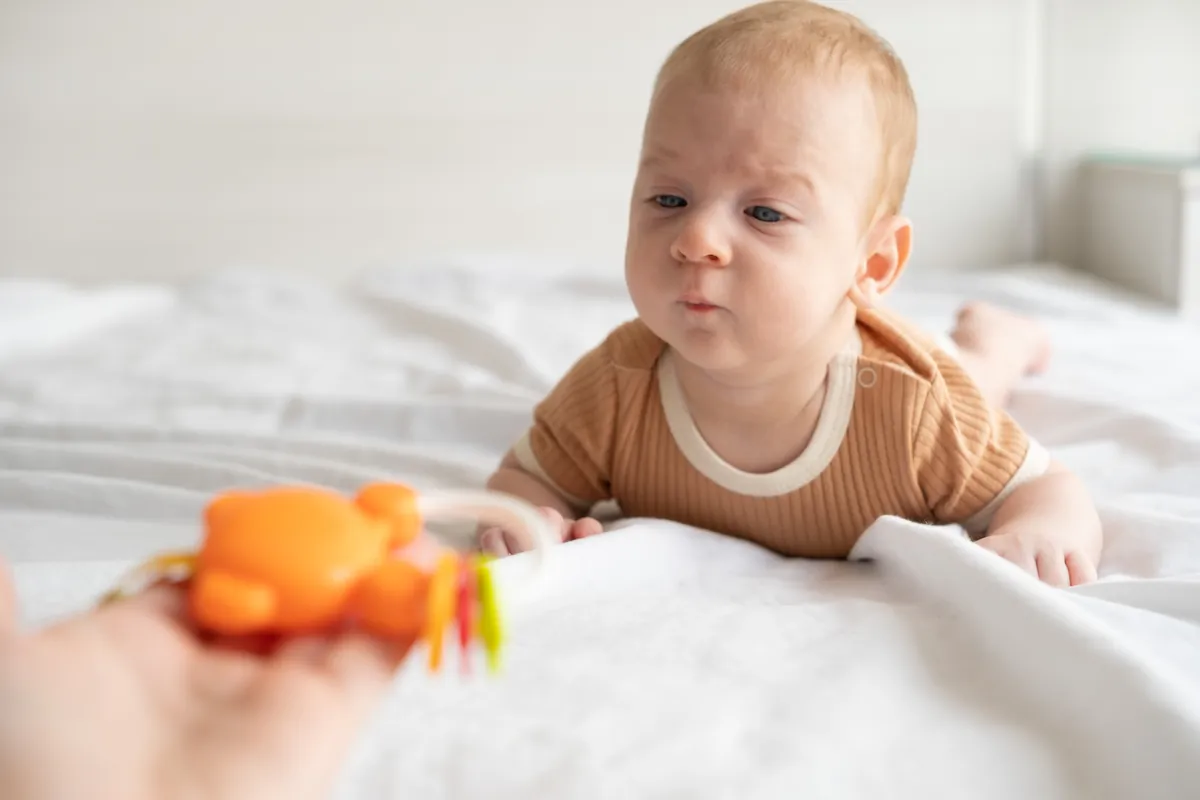
The nature and nurture of motor development
Key points: Gross motor development is more than just movement and leads to a better understanding of the social and physical environment. Gross motor
 Physical
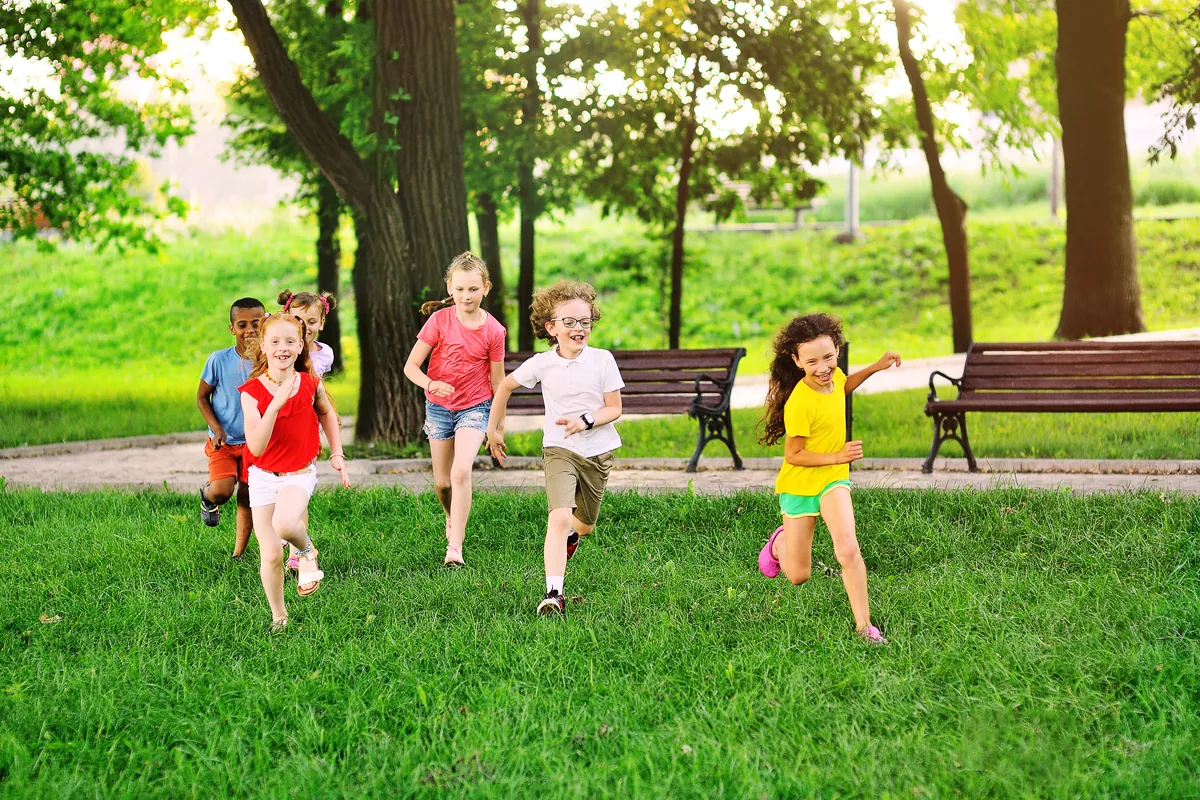
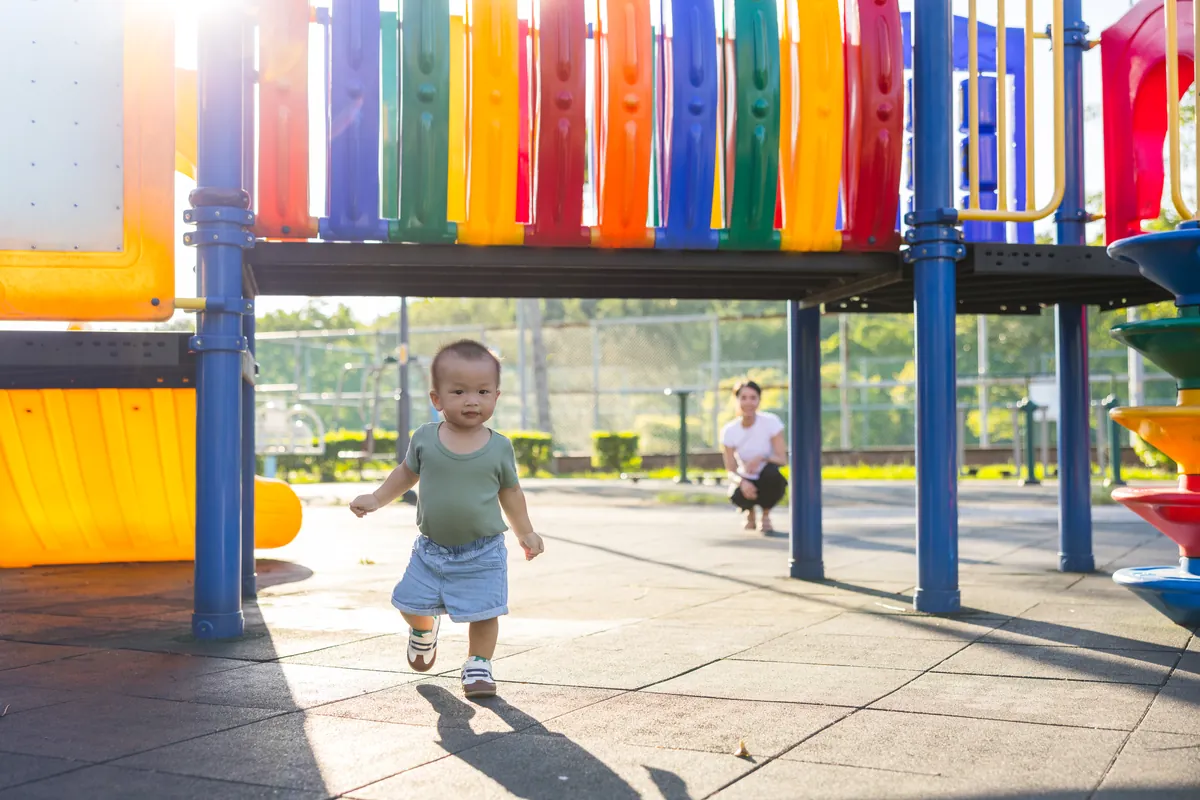
Benefits of physical games and outdoor activities for children
Sensory-motor games enhance physical skills, while games with rules model orderly thought and morality. Physical activity improves cognition, attention, and…
 Physical
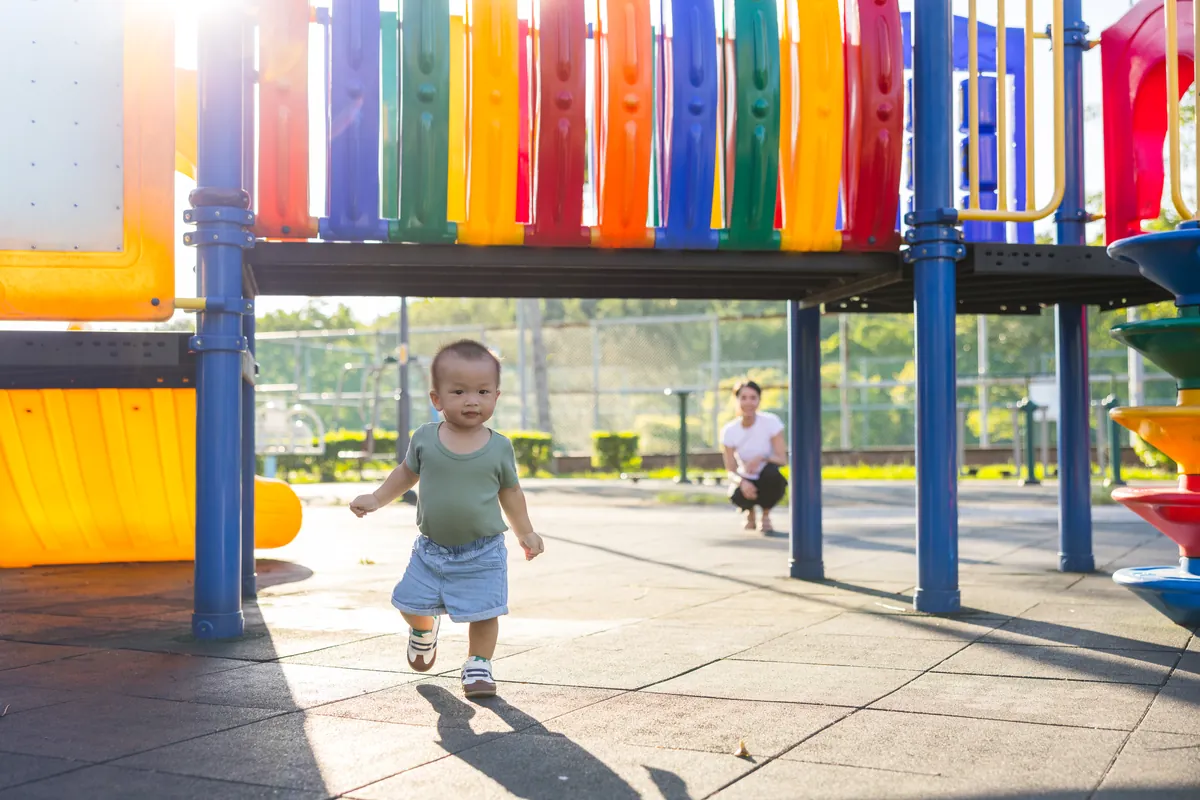
Why is physical activity important for child development?
Physical activity is crucial during childhood as it optimizes bone strength during growth and has immediate benefits for children's development. Bones and…
 Physical
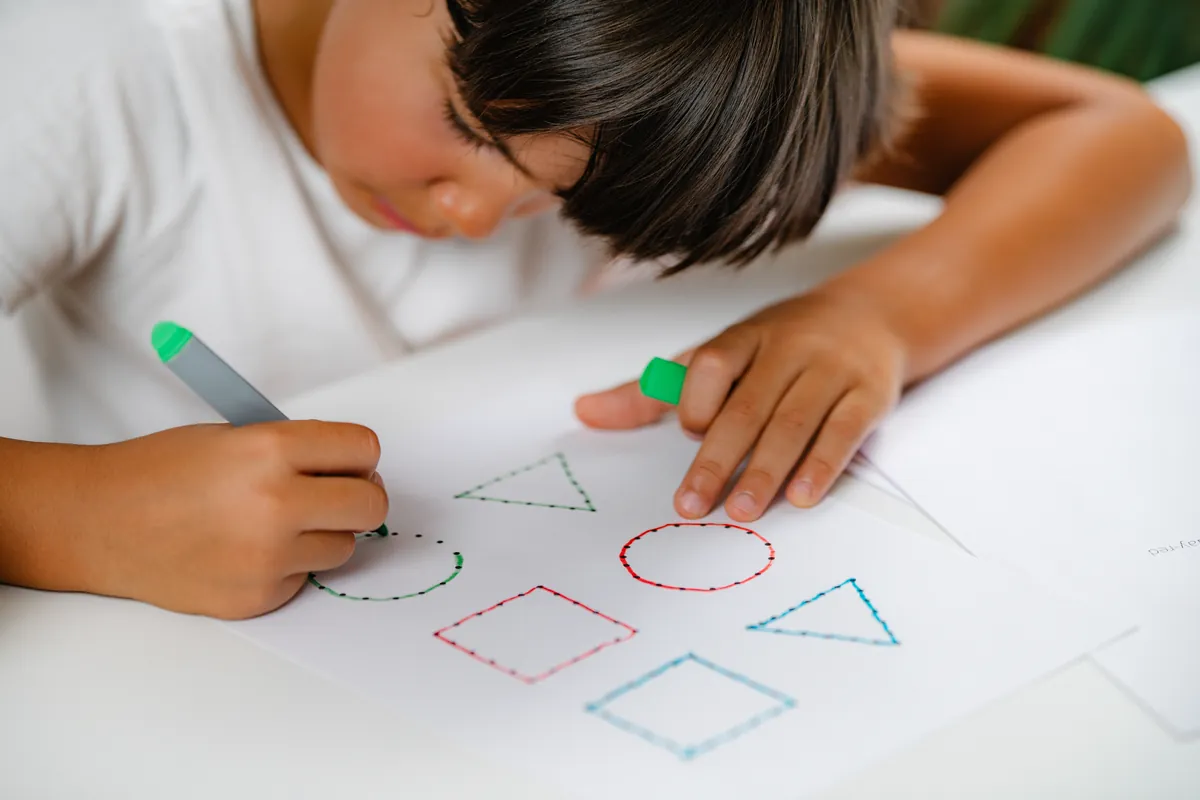
Physical activity for toddlers? The how, how much, and why
Many children under 5 years old fail to meet the minimum physical activity guidelines, and research suggests they should engage in over 120 minutes of…
 Physical
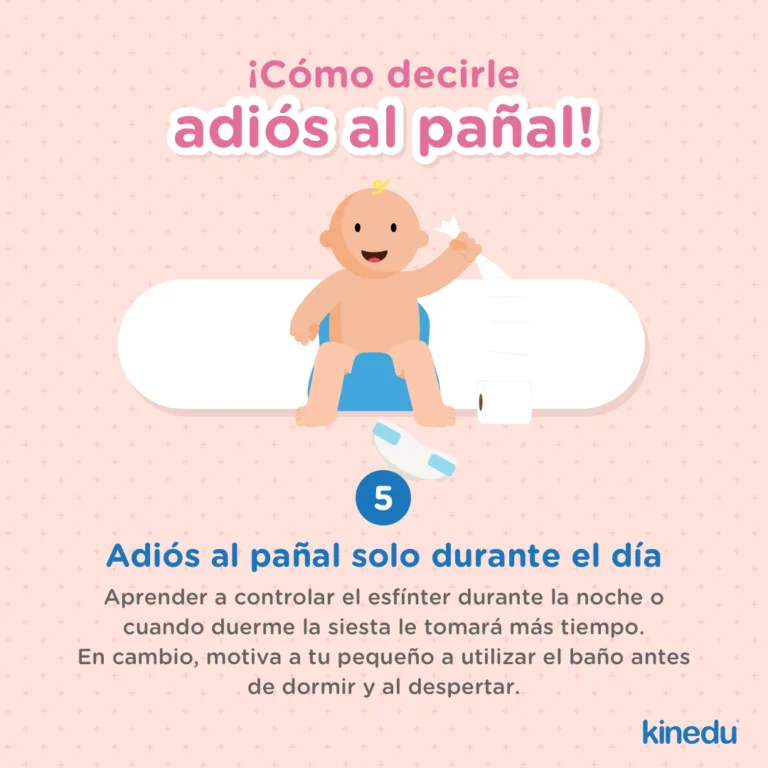
Scribbling, drawing, and writing readiness in prekindergarten children
Writing readiness involves the development of pre-writing skills in children, which relate to gross and fine motor skills. Skills necessary for handwriting…
 Physical
Motor skills: needs some exercising in order to develop!
Children aged 2 to 5 spend most of their day doing sedentary activities and only engage in moderate or vigorous physical activities for less than 5% of the…
 Physical
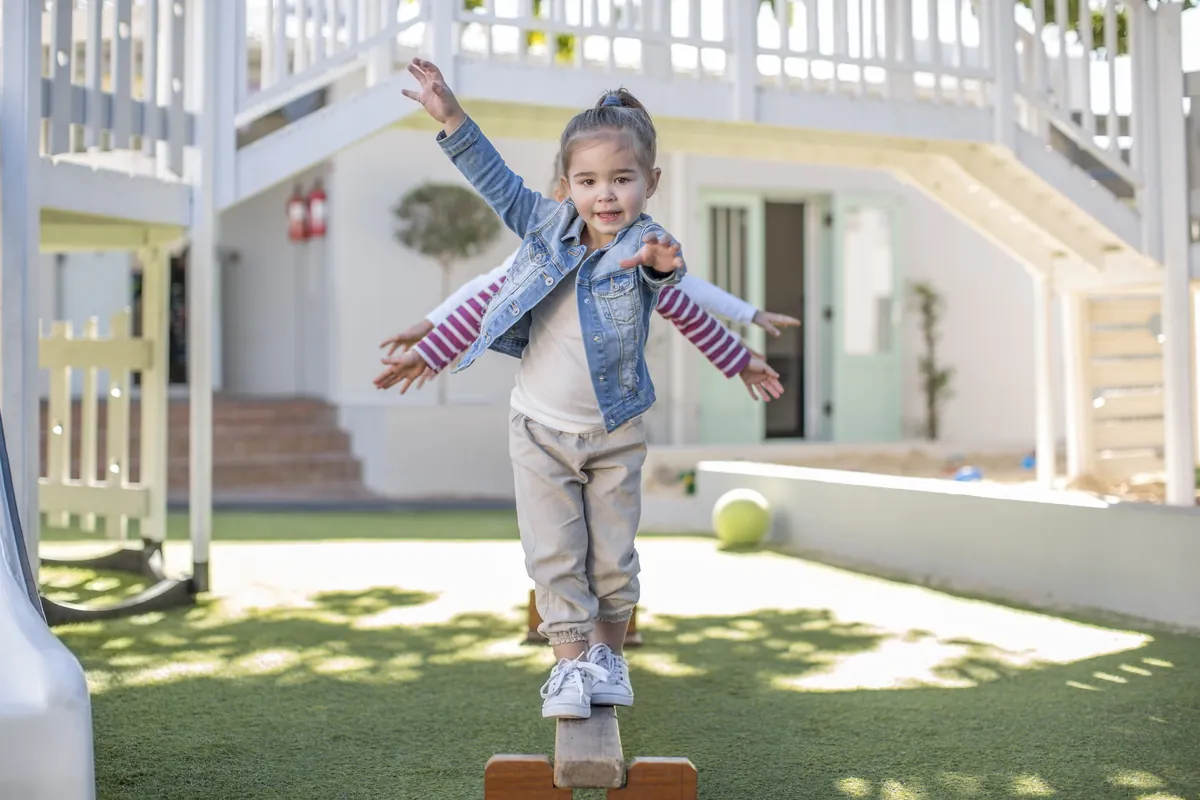
How do children develop their balance?
: Balance involves maintaining controlled body positions during static and dynamic activities, requiring the integration of the vestibular, visual, and…
 Physical
How can I support my child's development of finger dexterity?
Around 3 years old, children develop finger dexterity, allowing them to perform tasks like turning book pages, engaging in arts and crafts, and using…
 Physical
How can I support my child's hand coordination skills for writing?
Hand coordination skills involve controlling hand and finger movements and integrating them with visual and perceptual abilities. Developing visual-motor…
 Physical
There’s a link between my child’s posture and his manual skills!
1. Between 3 and 4 years old, children master gross motor control and posture skills. 2. They can maintain stable posture while sitting, standing, and start…
 Physical
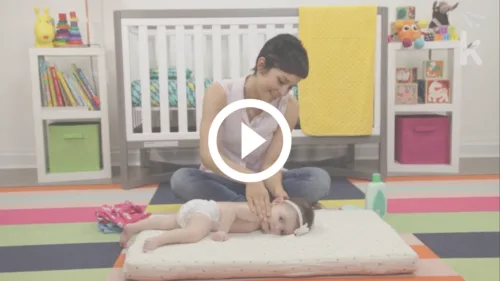
My child’s balance skills
Balance is crucial for various activities, from standing to playing pretend and gaining independence in tasks like dressing and eating. Children's balance…
 Physical
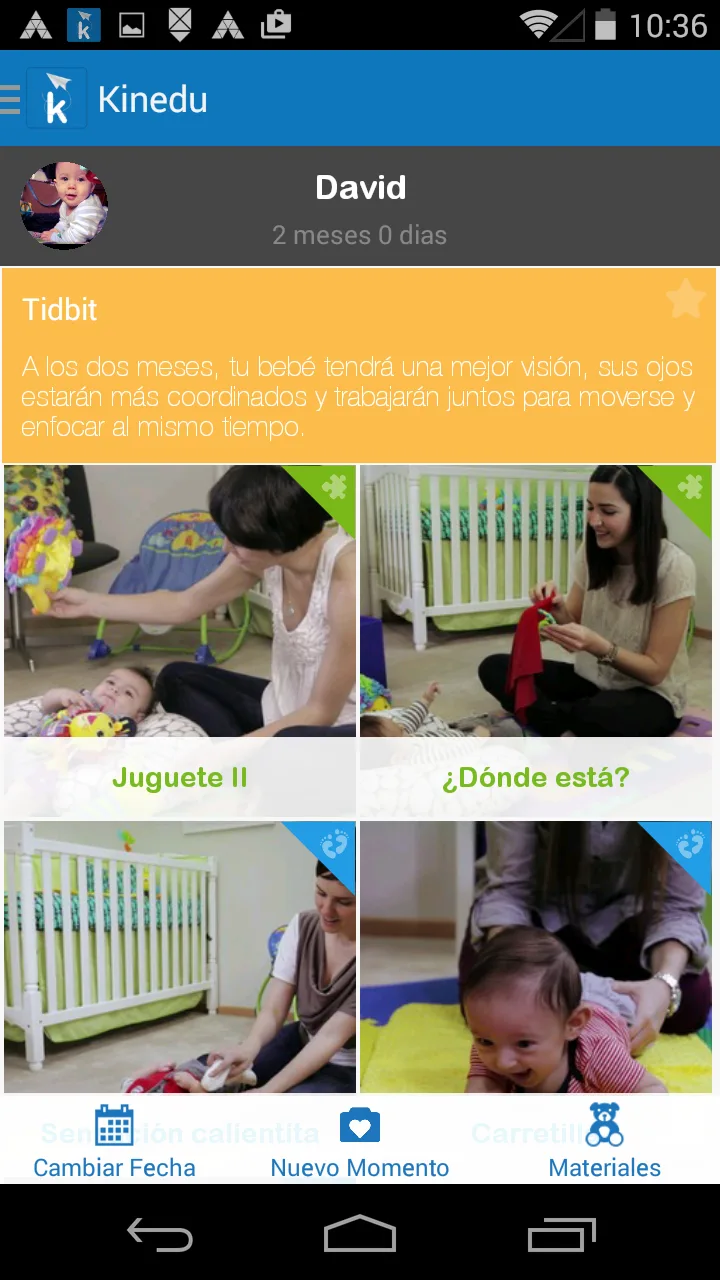
Ideas to help your child’s finger dexterity skills
Manual dexterity is the ability to manipulate objects using coordinated hand and finger movements. Around 36 months of age, children begin to exhibit more…
 Physical
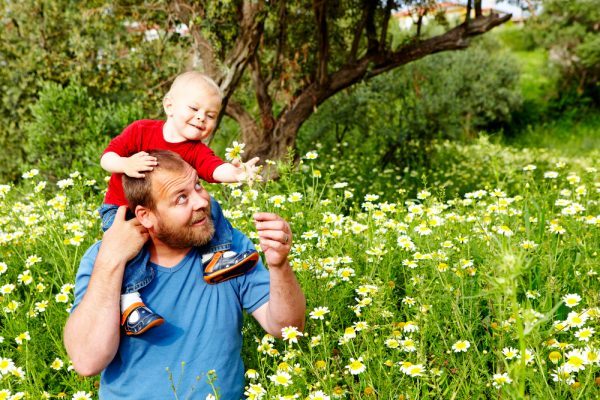
What is hand dominance and laterality?
Hand preference, laterality, and dominance describe a child's tendency to favor one hand for motor skills. Both hands have important roles in supporting…
 Physical
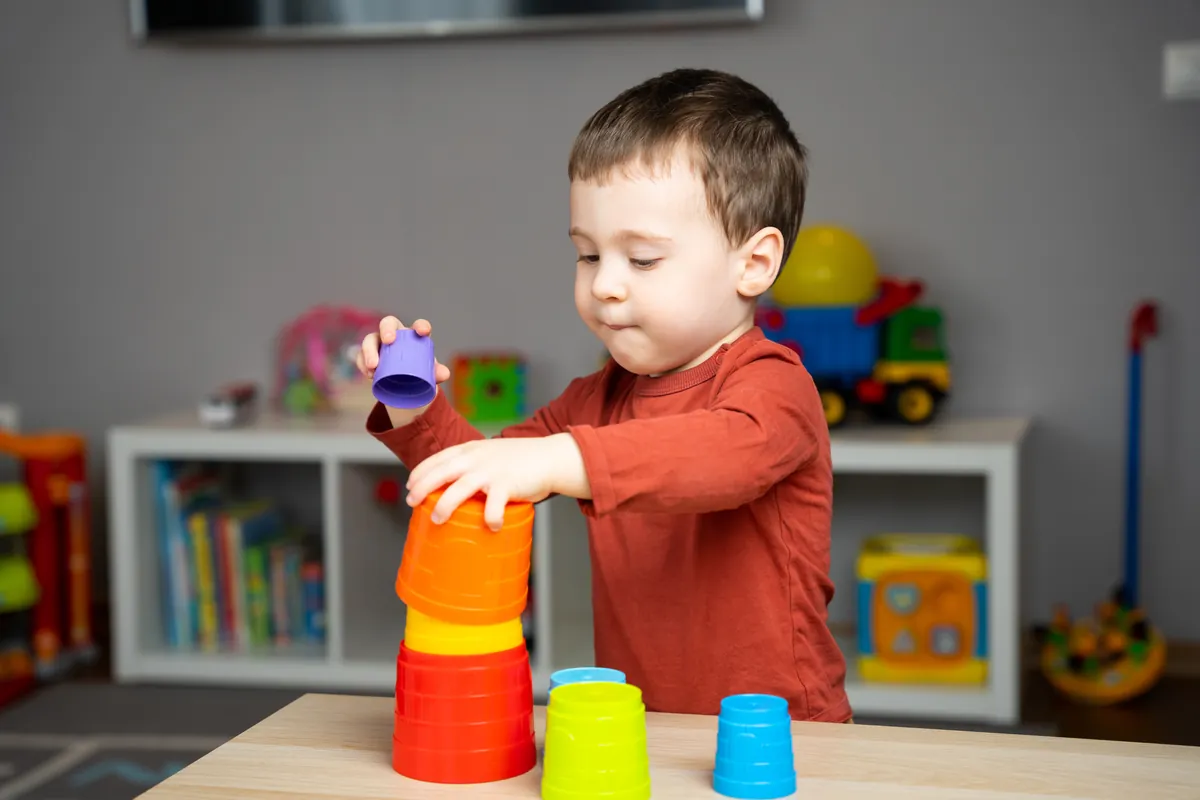
Ideas for boosting your child’s manual skills and establishing laterality
Hand dominance usually forms by elementary school age. Encourage hand dominance exploration with midline placement and coordination activities. Activities…
 Physical
My preschooler’s development: Jumping skills
Jumping is a fundamental gross motor skill, involving take-off, flight, and landing. It supports various developmental processes, including coordination,…
 Physical
Activities to encourage jumping skills
Encourage jumping skills through animal imitation and vocabulary-building games. Dance to upbeat music, coordinating jumps and arm movements with the rhythm.…
 Physical
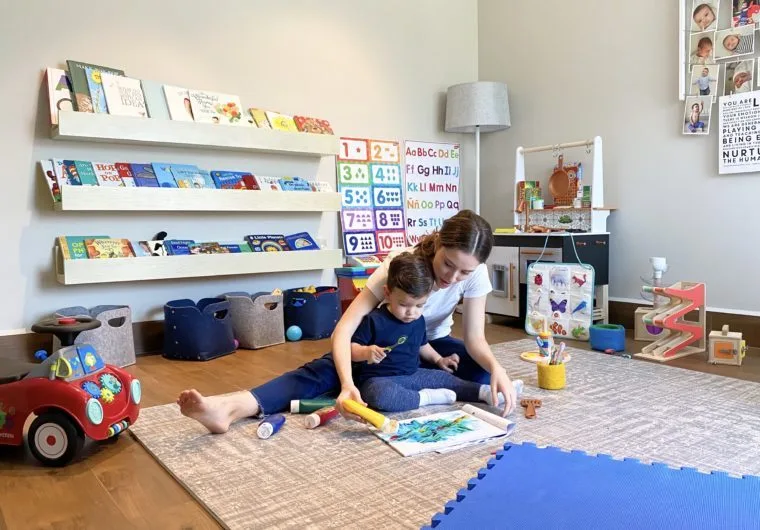
Your daughter is coloring her way into great motor skills
Coloring fosters creativity and visual perception. Enhances hand-to-eye coordination. Expands vocabulary by exposing kids to descriptive words. Develops…
 Physical
How can I help my child develop the skills that will prepare them for school?
Encourage appropriate expression of emotions and needs through words. Promote various types of play and taking turns. Foster an interest in forming…
 Physical
How children use their gestures to better understand and represent things
Preschoolers use gestures to aid understanding and communication due to their limited vocabulary. Research highlights how these gestures play a crucial role…
 Physical
Tips to develop writing skills and work towards school readiness
Developing motor skills is crucial for writing, especially between 36 and 48 months. Engage in activities like A-B-C bingo and drawing games to enhance…
 Physical
My child's throwing skills and her motor development
Gross motor skills, like throwing a ball, develop around 48 months. Throwing indicates muscle strength, balance, and coordination. Children progress from…
 Physical
Proprioception: how my child knows how to move their body
Proprioception is the sense of knowing where your body is in space. Special receptors in muscles help us maintain posture and balance. Proprioception is…