 Cognitive
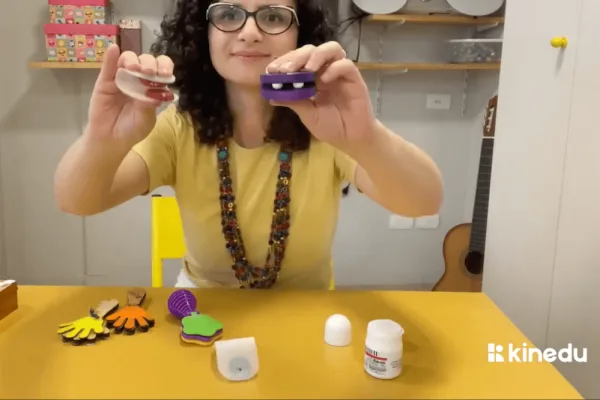
How to Make Homemade Musical Instruments for Kids
Music can help in the development of children’s language, cognitive, and emotional skills. Learning to play a musical instrument can also improve moto
 Cognitive
5 Activities for 8-Month-Old Babies
By eight months, your baby has developed some motor skills and is starting to gain control over their movements. Check out some ideas of activities fo
 Cognitive
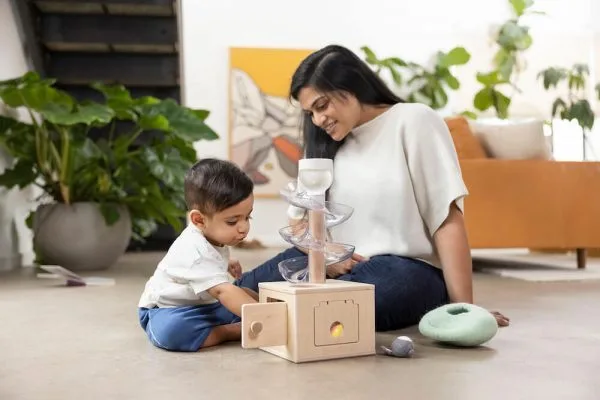
Cause and Effect Toys
Playtime is not just for fun but also for learning. Cause and effect toys are among the most educational and beneficial toys for children. These toys
 Cognitive
7 Educational Activities For Kids
Did you know that playing is much more than just having fun? Thanks to educational activities, children develop important physical, cognitive, linguis
 Cognitive
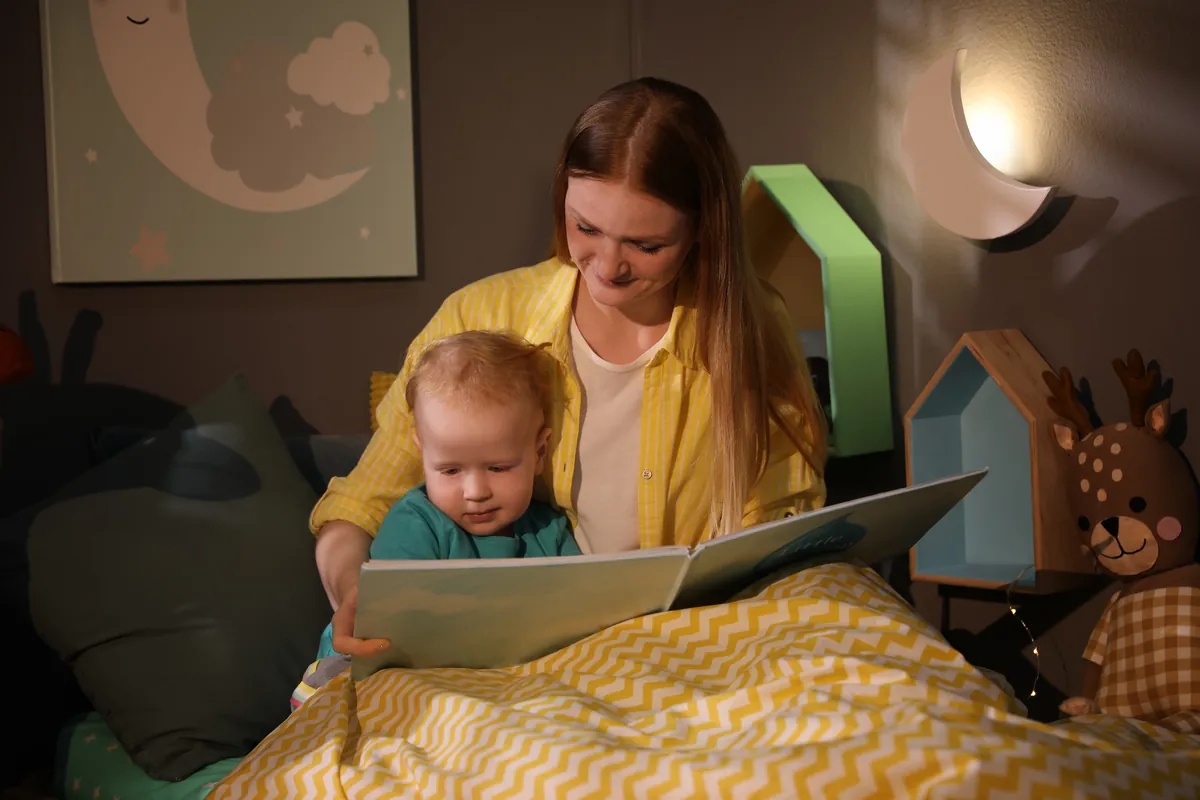
The Effects Of Bedtime Stories On Babies Development
Bedtime stories for babies are an essential activity in early parenting due to their positive effects on their vocabulary development. Out of the nume
 Cognitive
5 Body Parts Activities For Kids
Body parts activities for kids help them develop body awareness in a fun and age-appropriate way. It is important to foster body awareness from an ea
 Cognitive
Music Education For Children
Learn how music education for children helps in skill development and why these musical moments can bring countless benefits to parents and their kids
 Cognitive
6 Learning Activities For Your Children
Learning activities for children work as stimuli to achieve educational objectives. Thus, they enhance your child’s development in a fun way, in addit
 Cognitive
7 Literacy Activities For Preschoolers To Do At Home
The family makes a big difference in the literacy process of the little ones. Therefore, it is worth doing literacy activities for preschoolers at hom
 Cognitive
7 Math Activities For Preschoolers
Math can be so much fun! Learn about 7 math activities for preschoolers and help them become familiar with number concepts. Math is present in many si
 Cognitive
6 Activities For 5-Year-Olds
Activities for 5-year-olds help develop their cognitive, social, emotional, physical, and language skills. All while having fun as a family! In early
 Cognitive
6 Cognitive Flexibility Activities For Kids
Cognitive flexibility activities are an essential part of a child’s development and education. Cognitive flexibility is the ability to see situations
 Cognitive
4-Month-Old Baby Activities
Here you have five activities to do with a 4-month-old baby that you can try at home, as well as some of the milestones that are usually reached at th
 Cognitive
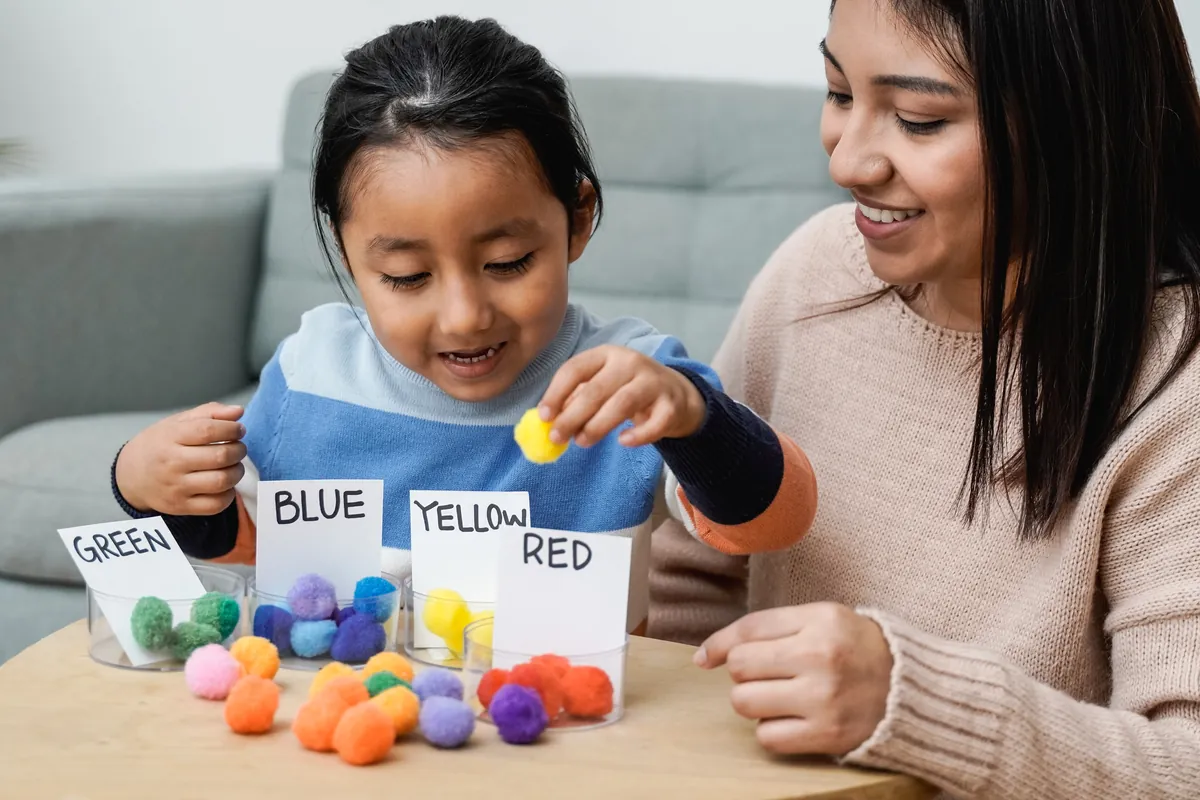
Help Your Child Learn Colors With These 4 Activities!
Did you know that when children learn colors, they also work on a variety of skills? That’s right! By teaching them about colors, you will support the
 Cognitive
7 Play Activities For Kids
Play activities for kids are very important for their development. Therefore, they should be designed to foster skills, as well as to amuse our little
 Cognitive
Mindfulness For Kids: 6 Activities To Practice with Your Child
Whether you are already familiar with the term mindfulness, or the concept of mindfulness is new to you, this practice is an important part of our men
 Cognitive
7-month-old baby development
Developmental milestones for your 7-month-old baby: here’s what to expect as a parent. Your baby is changing and growing on a monthly if not daily bas
 Cognitive
How to support your 11-month-old baby’s development
Your baby has reached an important transitional stage filled with cognitive, physical, and emotional changes. Here’s what to look out for in your 11-m
 Cognitive
16 sensory activities for babies
Help develop touch, sight, smell, taste, and hearing with these sensory activities for babies. Sensory development is key to helping your baby learn h
 Cognitive
Why are mirrors good for baby’s development?
One of the easiest ways to support your child’s development is with an everyday household item: mirrors. They may not be the fanciest or most expensiv
 Cognitive
Early Childhood Education At Home
Early Childhood Education at home is good for our kids –why are we saying it’s not? Parents of young children are having a tough year. We are expected
 Cognitive
Kinedu gets a new look and new features
Key points: Kinedu emphasizes the importance of small daily changes in early childhood development. The rebrand signifies a focus on purposeful play a
 Cognitive
Are your baby games becoming repetitive?
Key points:1. Babies benefit from repetition for brain development and feeling secure. Exploring the same activity repeatedly helps in forming and str
 Cognitive
Mi baby starts to pay attention
During their first month, your baby spent most of the time sleeping and eating. That’s totally normal, but, as time goes by, you’ll see that your 2-mo
 Cognitive
Does your baby reach objets?
Key points: Babies progress quickly in their first few months, with newfound hand coordination allowing them to interact with their surroundings. Betw
 Cognitive
What is executive functioning and why is it important?
Key points: Executive function involves working memory, self-control, and mental flexibility. It starts developing in early childhood through cognitiv
 Cognitive
Singing with your baby: Toddler edition
Key points: Socioemotional benefits: Singing is a shared activity that builds social skills, regulates emotions, and models self-care. Physical, cogni
 Cognitive
Running out of ideas? Here are a few activities for kids at home
We share a few simple ways to keep kids on track and engaged while schools are closed. More than 300 million children around the world are home from s
 Cognitive
The importance of play
Key points: Play is crucial for a happy, healthy childhood. Recognizing its decline, the American Academy of Pediatrics recommends “prescriptions for
 Cognitive
Why you should sing to your baby
Key points: Singing to your baby has developmental and emotional benefits, including strengthening your parental bond and teaching your child how to l
 Cognitive
Sway with me: Benefits of dancing with your little one
Key points: Dancing helps in developing the thinking and gross motor skills of a child. Parents can start fostering their child’s musical and dancing
 Cognitive
Benefits of wooden toys
Key points: Play is an excellent way for children to learn, and wooden toys are a great option for open-ended, creative and free play. The annual TIMP
 Cognitive
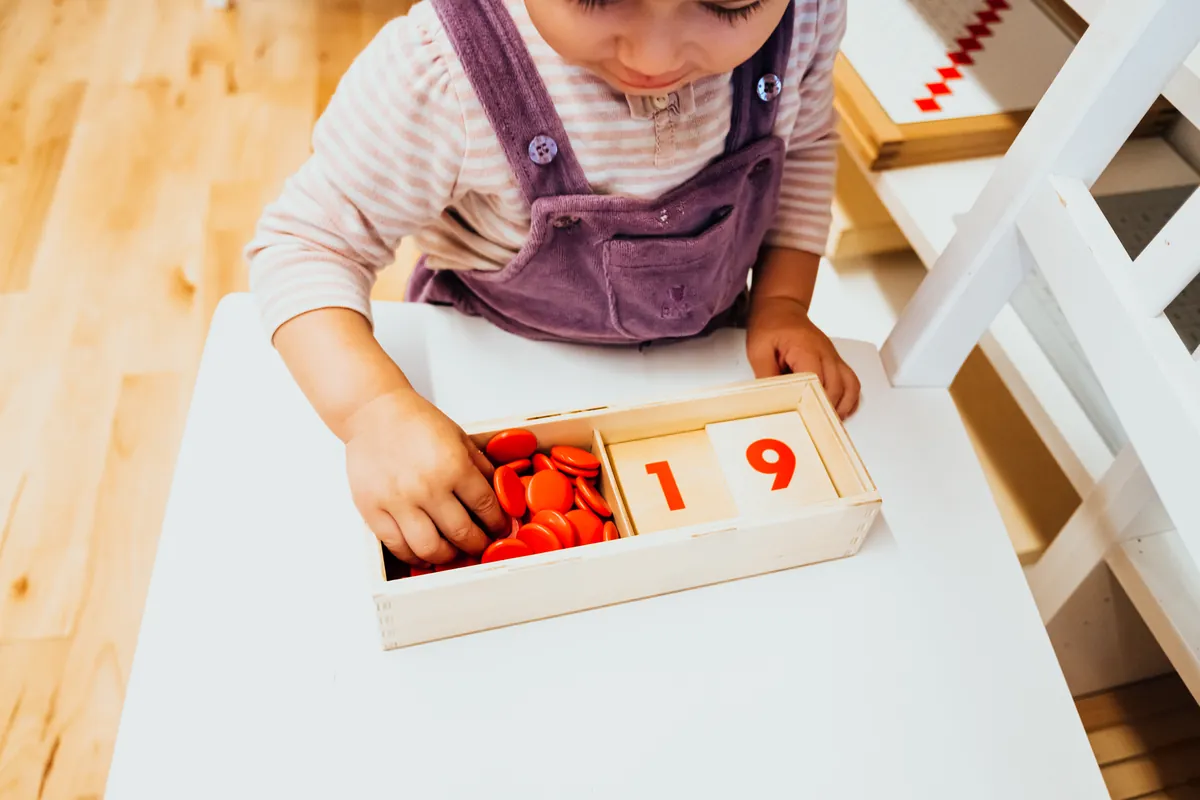
Math skills 36-48 months
Key points: Children at this stage have developed basic math skills and are starting to understand the concepts of parts and wholes, counting and patt
 Cognitive
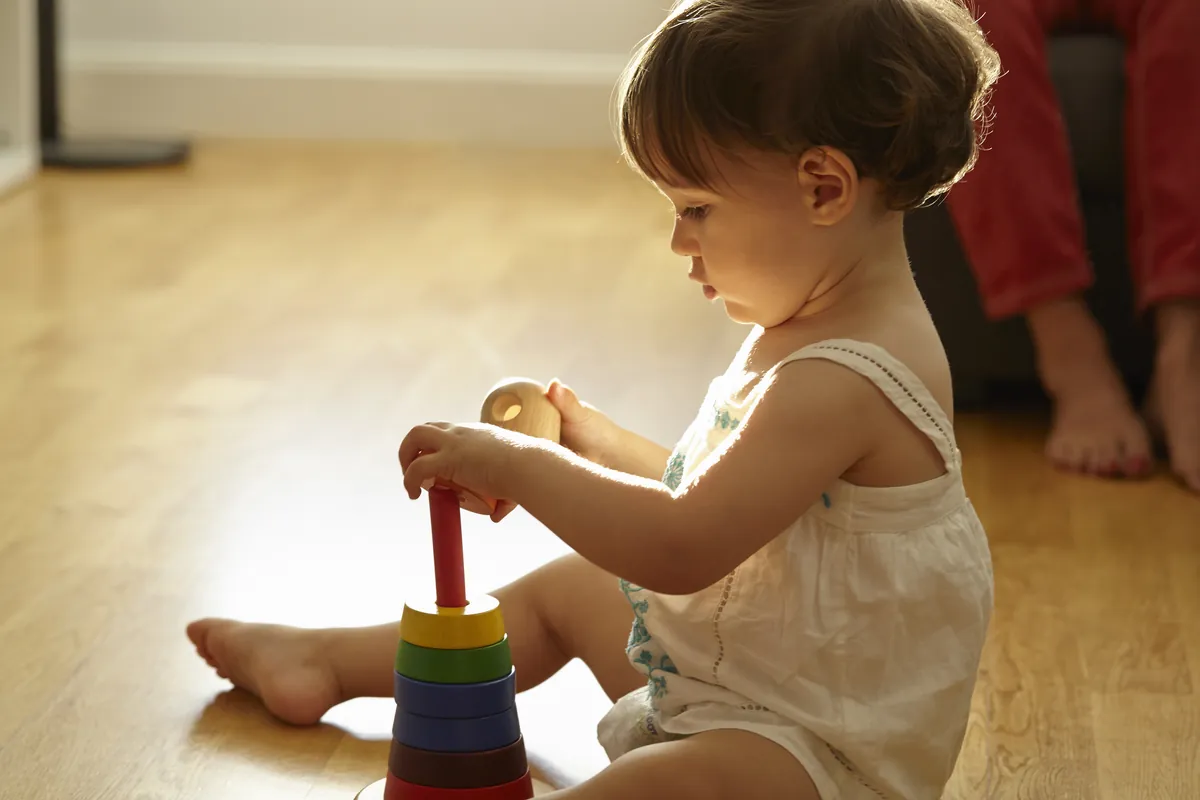
Math skills 24-36 months
Key points: Children develop number awareness by recognizing numbers, understanding how counting works, and learning one-to-one correspondence. Sortin
 Cognitive
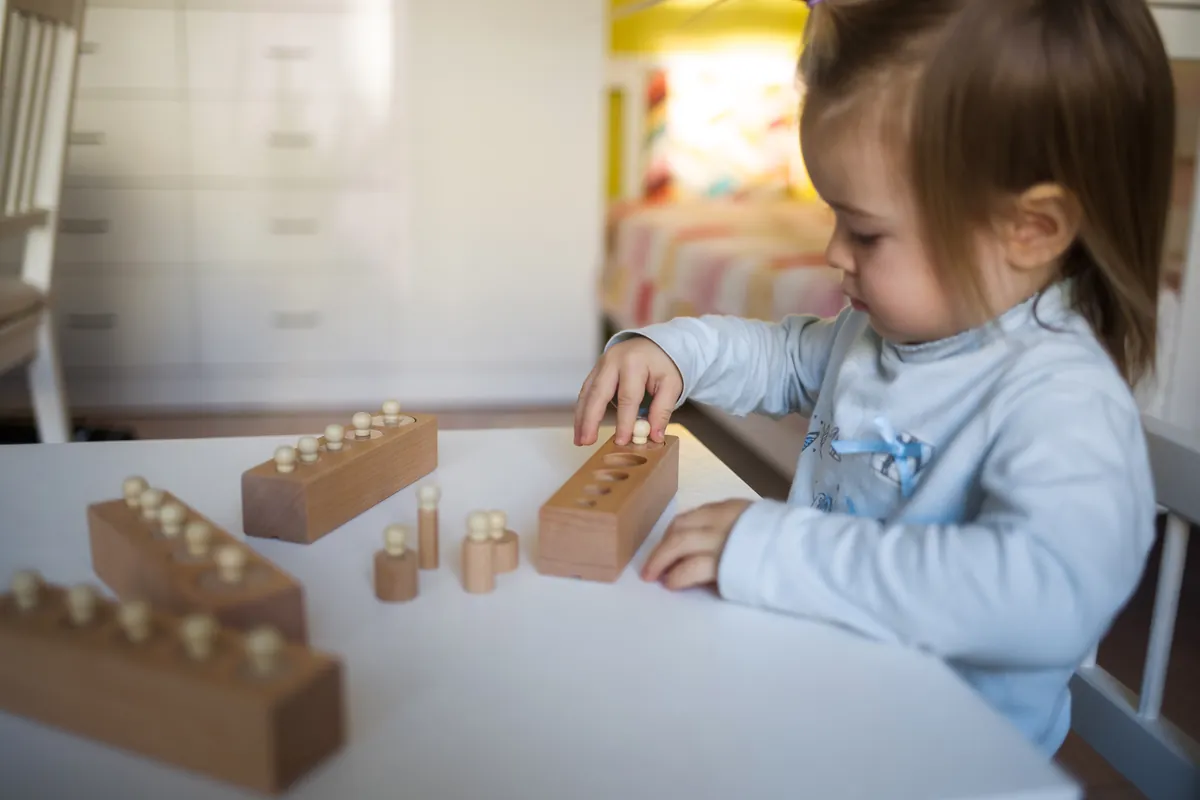
Math skills 12-24 months
Key points: Early mathematical concepts in children are developed through their routines, experiences, and interactions with their environment and car
 Cognitive
Math skills 0-12 months
Key points:1. Babies start developing math skills from birth, recognizing quantities and patterns.2. Early math concepts like “more” and “enough” begi
 Cognitive
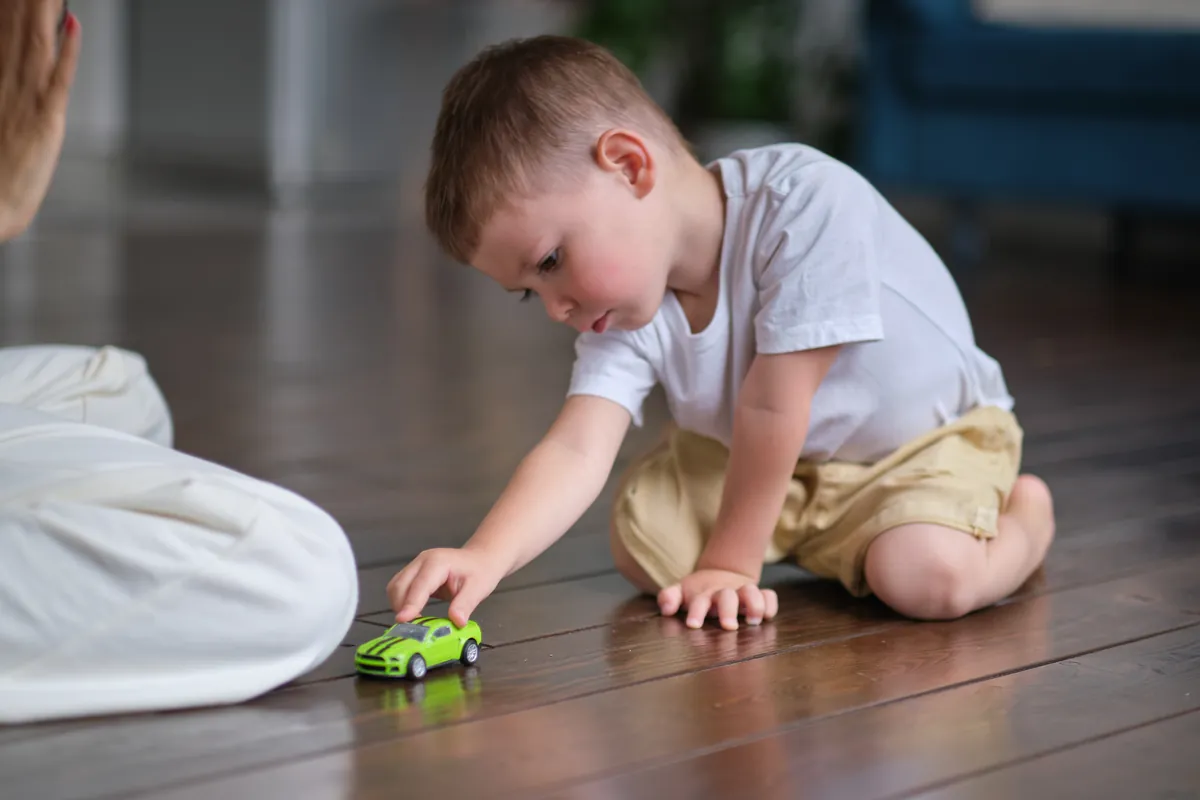
Benefits of mechanical toys
Key points:1. Toys provide a valuable opportunity for children to learn and explore.2. Mechanical toys, like building blocks and shape sorting kits, o
 Cognitive
Nature and play
Key points: Outdoor environments provide children with space and opportunities to engage in free play, develop their self-identity and independence, a
 Cognitive
Absence: Curiosity killer
Key points: Lack of engagement can be a major curiosity killer for children, and engaging with them while they explore and learn can encourage them to
 Cognitive
Restrictions: Curiosity killer
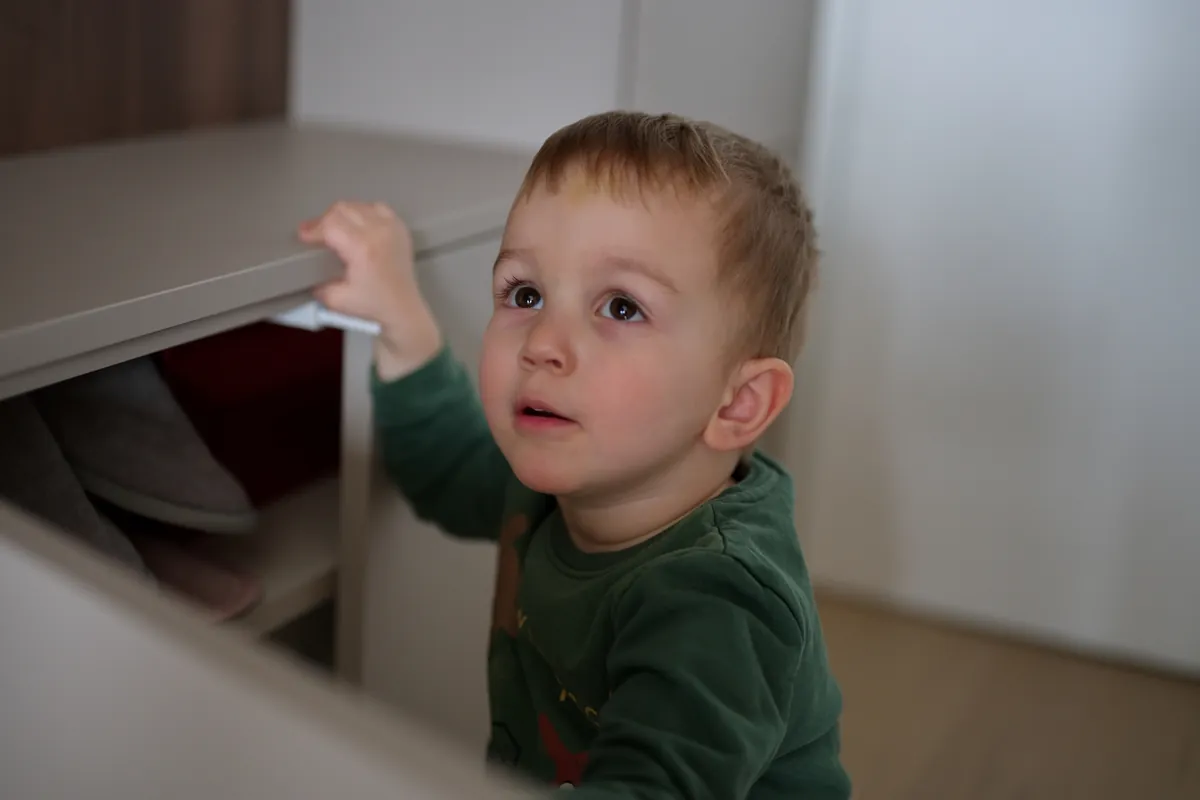
Key points: Early childhood exploration is key to learning, but parents may unintentionally restrict their child’s learning due to safety concerns or
 Cognitive
Fear: Curiosity killer
Key points: Fear helps us identify threats and has been a successful survival mechanism for centuries. Babies are born with only two innate fears (fal
 Cognitive
The benefits of board games
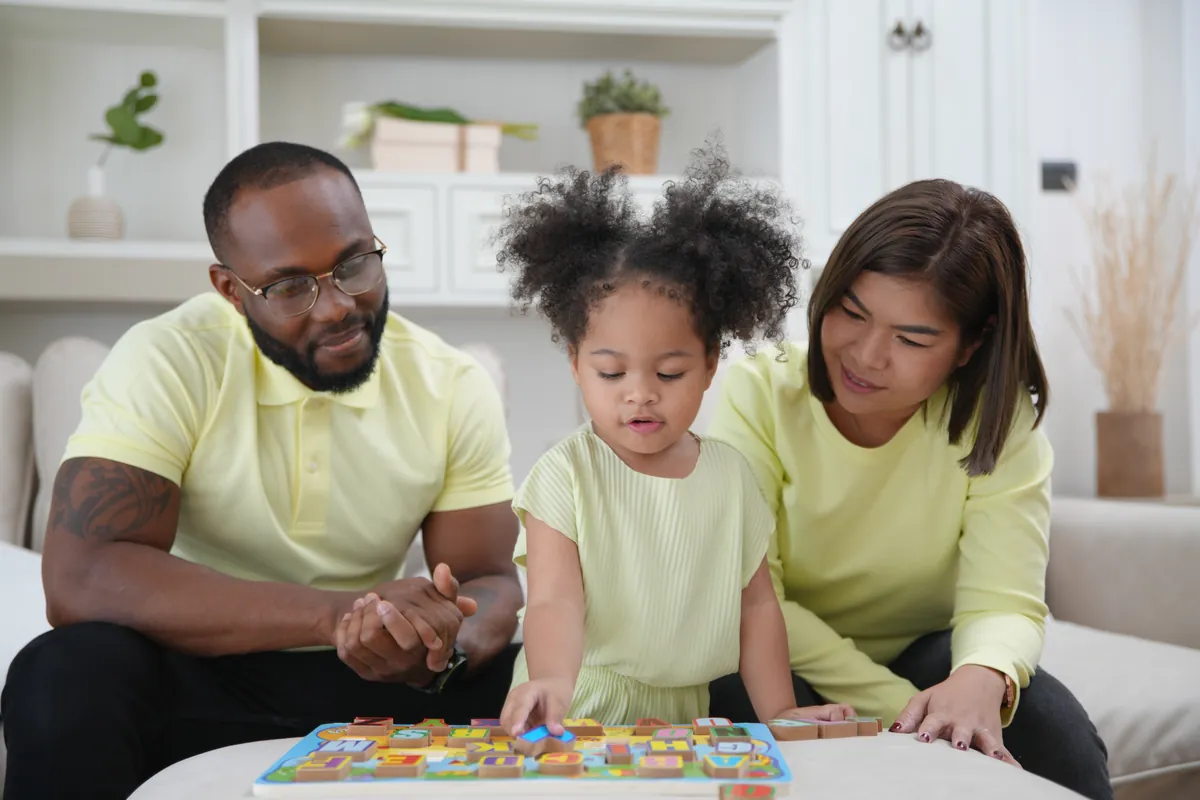
Key points: Games have been shown to improve cognitive abilities and can even prevent dementia later in life. Playing board games can be a learning ex
 Cognitive
Theater ready
Key points: Dress-up play enhances brain development in children and fosters cognitive abilities, neural connections, and executive functions. Dressin
 Cognitive
How do babies learn during these first years?
Key points: Early childhood is a crucial stage for building the foundation of core capabilities. Babies learn through interaction and practice, with i
 Cognitive
What is curiosity in children?
Children are born curious and as they grow their curiosity and learning grow with them. Curiosity has been characterized as the joy of discovery. Psyc
 Cognitive
Your child’s executive functioning skills
Key points: Trillions of connections made in a child’s brain during their first years are crucial to their early wiring and pruning process, laying th
 Cognitive
How can you help your little one thrive?
Key points: Harvard’s Center on the Developing Child has identified three key principles for giving children the best chance to reach their potential:
 Cognitive
How to foster my child’s musical skills at home
Key points: Turning your home into a musical environment positively influences a child’s cognitive, physical, linguistic, and social-emotional develop
 Cognitive
How to foster your child’s physical development and musical skills
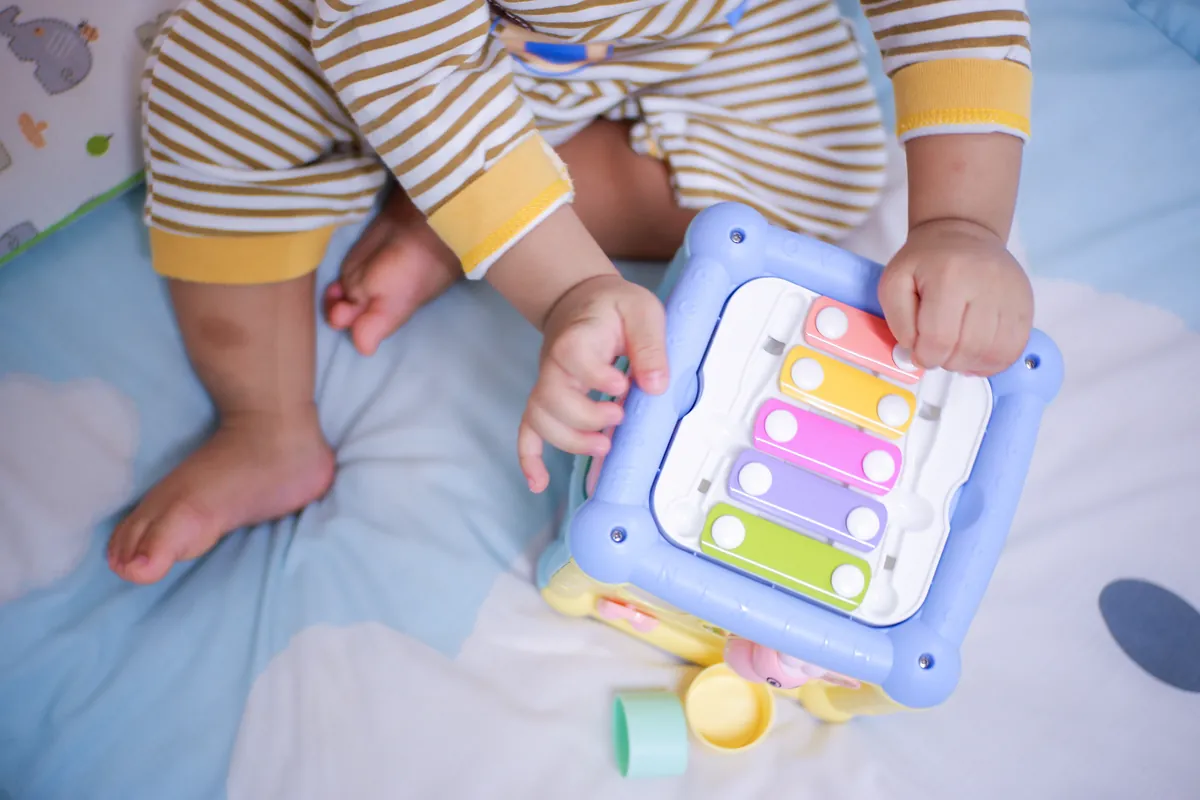
Key points: Children naturally respond to music from a very young age, showing movements and reactions as early as 9 to 11 months. This early engageme
 Cognitive
Fostering your child’s cognitive skills through music!
Key points:1. Music positively impacts brain development and learning motivation.2. Music enhances memory and cognitive functions in children.3. Music
 Cognitive
How to get a child to listen and follow directions?
Key points: Children need cues and pauses to do the things we ask them to do. Music and obstacle courses are great ways to motivate children to follow
 Cognitive
How music impacts your child’s socioemotional development PART 2
Key points:1. Music sparks joy, expression, and emotional learning in children.2. Musical interactions support toddlers in understanding and articulat
 Cognitive
How music impacts your child’s socioemotional development PART 1
Key points:1. Secure attachment in early years is crucial for future emotional development.2. Positive environment fosters trust and self-awareness.3.
 Cognitive
How music helps your premature baby
Key points:1. Music therapy can have significant positive effects on premature babies’ health and development.2. Music reduces stress levels and incre
 Cognitive
Music to your child’s brain
Key points:1. Music contributes to creating brain connections, enhancing cognitive development and communication skills in children.2. Music affects m
 Cognitive
How to teach number concepts to my child?
Key points: Mathematical concepts in young children develop through their daily play experiences. Around age two, children start distinguishing betwee
 Cognitive
How can I teach my child problem-solving skills?
Key points: Children of all ages face problems and challenges. Teaching problem-solving involves four roles: observer, supporter, facilitator, and mod
 Cognitive
What are effective play strategies for my child’s development?
Key points: 1. Play is essential for a child’s development, fostering exploration, learning, creativity, and social interaction. 2. When playing with
 Cognitive
What is children’s theory of mind?
Key points: 1. Theory of mind is the ability to understand that others have their own thoughts, beliefs, and desires. 2. Younger children may struggle
 Cognitive
When will my child start collaborating, and how do I encourage it?
Key points: 1. Collaboration involves working together to achieve a common goal and requires advanced cognitive and social skills. 2. Children’s abili
 Cognitive
Why are routines so important to children?
Key points: 1. Routines foster self-control by providing children with a sense of security and predictability. 2. They promote positive behavior and t
 Cognitive
How do children develop analogical reasoning?
Key points: Analogical reasoning is an advanced skill essential for human thinking. Children develop analogical reasoning through knowledge and execut
 Cognitive
Do children learn critical thinking skills through play?
Key points: Babies begin to develop cause-and-effect thinking around seven months, when they learn that they can intentionally affect their surroundin
 Cognitive
Early childhood and brain development in science
Key points: Adversity and stress in early childhood can have physical and chemical implications in the brain, damaging learning capacity and putting c
 Cognitive
How to build your child’s brain through responsive interactions
Key points: 1. Babies’ brain development depends on responsive interactions with caregivers. 2. “Serve and return interactions” with caregivers are cr
 Cognitive
The appearance of your baby’s emotions
Key points: 1. Baby emotions evolve from simple to complex, influenced by physiological changes and stimuli. 2. Basic newborn emotions are interest, d
 Cognitive
What are your baby’s early learning theories?
Key points: Babies develop advanced theories and knowledge from a very young age. They construct theories about objects, numbers, living things, the m
 Cognitive
How to foster STEM skills?
Key points: Babies are natural scientists from birth. Engage in repetitive play to teach concepts like gravity. Foster STEM skills through various typ
 Cognitive
Is play the key to your baby’s development?
Key points: Play is essential for childhood development, fostering problem-solving skills and social interactions. Babies initially explore everything
 Cognitive
How can I nurture my child’s interests in art and science?
After your baby is born, getting to know anything is a new adventure, and of course the environment in which your child grows up has an effect on her
 Cognitive
How to create a positive learning environment
Key points: 1. Quality parent-child interactions are crucial for a strong learning environment. 2. Introduce learning materials like books and engage
 Cognitive
Exactly how big a deal is drawing?
With the sudden boom on computers, tablets, and phones as convenient playtime devices, it seems we’ve lost a little touch of one of the most basic act
 Cognitive
The benefits of crawling!
Key points: 1. Crawling boosts motor skills, balance, and muscle strength. 2. Enhances brain coordination, problem-solving, and spatial awareness. 3.
 Cognitive
How does music benefit your toddler?
Key points: 1. Music is vital for a toddler’s development, enhancing cognitive, social, and emotional skills. 2. Exposing toddlers to music helps them
 Cognitive
What are the benefits of boredom?
Key points: Allowing children to experience boredom can be beneficial for their development as it encourages self-reliance and motivation. Parents sho
 Cognitive
Benefits of music for your child’s development
“Music gives soul to the universe, wings to the mind, flight to the imagination, and life to everything.” – Plato Key Points: Early exposure to musi
 Cognitive
What are the age appropriate toys for your little one?
Key Points: Match toys to your child’s development stage for a more enriching play experience. Often, safe and suitable play materials can be found at
 Cognitive
How to boost my baby’s memory and attention?
Key points: Create consistency and routines for your baby, especially if they’re 0-3 months old. Introduce new skills during playtime, focusing on the
 Cognitive
Learning through imitation: How does imitative learning work?
Key Points: Babies often learn by observing and imitating the behavior of those around them, particularly their parents and caregivers. Children who a
 Cognitive
What is object permanence?
Key points: Object permanence development helps babies understand the world and cope with separation. Teaching object permanence happens through playf
 Cognitive
How can I awaken my child’s curiosity?
Key points: 1. Learning begins in the womb, but babies continue to develop cognitive skills by exploring and adapting to novel stimuli. 2. Babies are
 Cognitive
Why are repetitive movements in babies important?
Key points: Balance is a fundamental sense reinforced through repetitive motion. The vestibular system, responsible for balance, often goes unnoticed
 Cognitive
5 tips to boost your child’s creativity
Key Points: Creativity goes beyond choosing colors. It involves problem-solving, critical thinking, and applying knowledge. Creativity is ageless and
 Cognitive
5 fun facts you didn’t know about your baby!
Key points: 1. Babies often fall asleep in cars due to the vestibular system’s confusion between motion and visual stillness. 2. Babies cry when you l
 Cognitive
How do babies learn?
Key Points: MIT Early Childhood Cognition Lab lead investigator, Laura Schulz, studies early childhood learning and how it fundamentally relates to hu
 Cognitive
How to encourage curiosity in kids
Key points: Babies are born with an innate curiosity to explore and learn. Cultivating curiosity is critical to lifelong learning and motivation to se
 Cognitive
How to boost math-related skills
Key points: Research has shown that children who play with puzzles, building blocks, and board games tend to have better spatial reasoning ability. Sp
 Cognitive
Why is imaginative play important?
Key points: Play is a key component in a child’s development, allowing them to develop imagination, cognitive skills, physical agility, and emotional
 Cognitive
What is executive functioning?
Key points: Early experiences profoundly shape the developing brain and lay the foundation for complex skills. Executive function skills, like multita
 Cognitive
The first few years: Cognitive development
Key points: Babies are like little scientists, actively exploring the world to understand how it works. Cognitive development involves abstract thinki
 Cognitive
Why the early years matter
Here at Kinedu, we’re committed to giving parents the best tools for improving their child’s development. But why do we focus on babies 0-2 years old?
 Cognitive
How imaginative play impacts in the cognitive and social development
Imaginative play helps children understand symbols and distinguish them from real-world objects. High-quality pretend play enhances abstract thinking and…
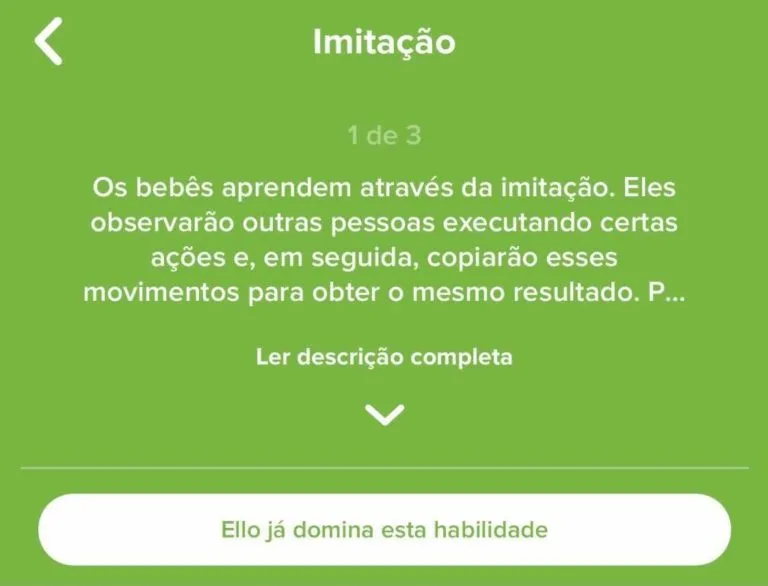
CognitiveThe benefits of pretend play on children’s development
Pretend play fosters creativity and understanding of the adult world. Enhances empathy and perspective-taking. Aids in narrative thinking and emotional…
 Cognitive
My young child was born a scientist! Ideas for fostering discovery at home
Young children have a natural inclination towards discovery and exploration, and parents can foster this by providing easy and fun activities. Activities…
 Cognitive
The perks of helping my kid learn about money and managing an allowance
Giving children a small fixed allowance and allowing them to self-manage it can influence spending behavior and help them develop sophisticated money…
 Cognitive
Why does my child have imaginary friends?
It is normal for children to have imaginary friends, and this type of pretend play is healthy and common. Imaginary friends can come in all shapes and sizes,…
 Cognitive
How to boost your 3-year-old’s memory
Toddlers can store memories, but their ability to recall is developing due to ongoing brain maturation. Activities to boost memory include recalling the day…
 Cognitive
Cognitive flexibility starts in early childhood!
Cognitive flexibility is the ability to adapt based on new information. It develops between 3 and 4 years old and is crucial for problem-solving. Cognitive…
 Cognitive
Your preschooler’s cognitive development
Children between 24 and 36 months start learning object characteristics and sorting by size, shape, or color. At around 36 months, children become interested…
 Cognitive
How to help my child develop early math skills?
Numeracy, or math skills, is a crucial aspect of a child's cognitive development at ages 3 to 4. Children start learning the foundations of math skills from…
 Cognitive
The importance of conceptual reasoning skills
Preschoolers undergo significant cognitive changes, reaching a stage of enhanced mobility, emotional independence, and increased vocabulary. Developing…
 Cognitive
How do I help boost my child's conceptual reasoning?
Ages 36-48 months: Children develop conceptual reasoning skills. Concepts include size, distance, speed, height, weight, and order. Use daily experiences to…
 Cognitive
How can I support my child in developing problem-solving skills?
1. Infants rapidly absorb information about their world by 12 months. 2. Around ages 3-4, children start understanding specific object functions and their…
 Cognitive
How kids learn to match objects by their shape and function
1. Around age 3-4, children begin understanding object characteristics and properties. 2. They progress from identifying shapes and colors to comprehending…
 Cognitive
Can my preschooler distinguish appearance from reality?
1. Preschoolers as young as 3 can distinguish between appearances and reality. 2. They can describe both real and fantastical aspects accurately. 3.…
 Cognitive
The importance of my 2-year-old endless “why”
1. After 24 months, toddlers show a keen interest in understanding how things work and their relationships. 2. The incessant "why" questions from toddlers…
 Cognitive
How does a child's questioning contribute to their problem-solving abilities?
1. Answering a child's questions fosters cognitive development, stimulating reasoning and problem-solving skills. 2. Cognitive skills develop between 36 and…
 Cognitive
Encouraging my preschooler to ask questions
1. Preschoolers, at around 3-4 years old, are highly curious and eager to understand how things work. 2. Encouraging children to ask questions is vital for…
 Cognitive
How can I ensure responsible use of media to support my child's development?
1. Children aged 18-24 months can be exposed to high-quality children's media with guidance. 2. Between ages 2-5, children can watch up to 90 minutes of…
 Cognitive
The relationship between attachment, attention, and memory skills
Attachment is a deep emotional bond between individuals, often observed in child-parent relationships. Attachment significantly influences a child's…
 Cognitive
Helping the development of my child’s memory skills
1. Memory development in children is closely linked to their existing knowledge and experiences. 2. A child's ability to encode and recall memories improves…
 Cognitive
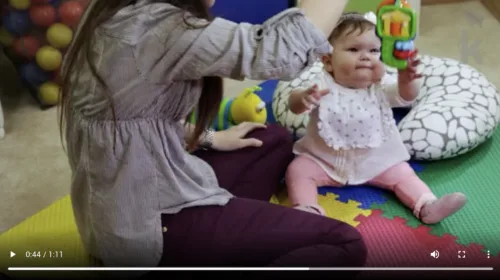
My preschooler’s memory skills: storing and recalling memories
1. Between 36-48 months, preschoolers work hard to develop memory skills, recalling songs, stories, and more. 2. Memory development begins before language,…
 Cognitive
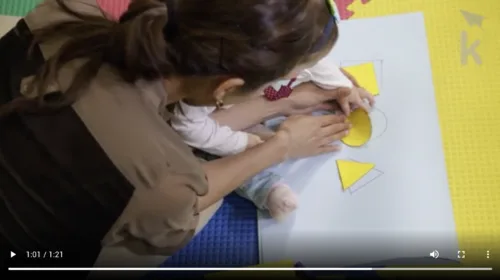
My 3-year-old’s attention skills
1. Attention skills involve three cognitive networks: alerting, orienting, and executive control. 2. Alerting is staying sensitive to information, orienting…
 Cognitive
Tips to improve my preschooler’s attention skills
1. Incorporate your child's interests or favorite toys to make activities fun and engaging. 2. Be mindful of your child's developmental stage; attention…
 Cognitive
What is working memory?
Working memory is important for short-term mental tasks and allows us to hold information in our minds. The exact areas of the brain that are involved in…
 Cognitive
The early memory and attention skills are related to later academic skills
A child’s memory and attention skills during the first four years of life can predict academic achievement once they start formal education, according to a…
 Cognitive
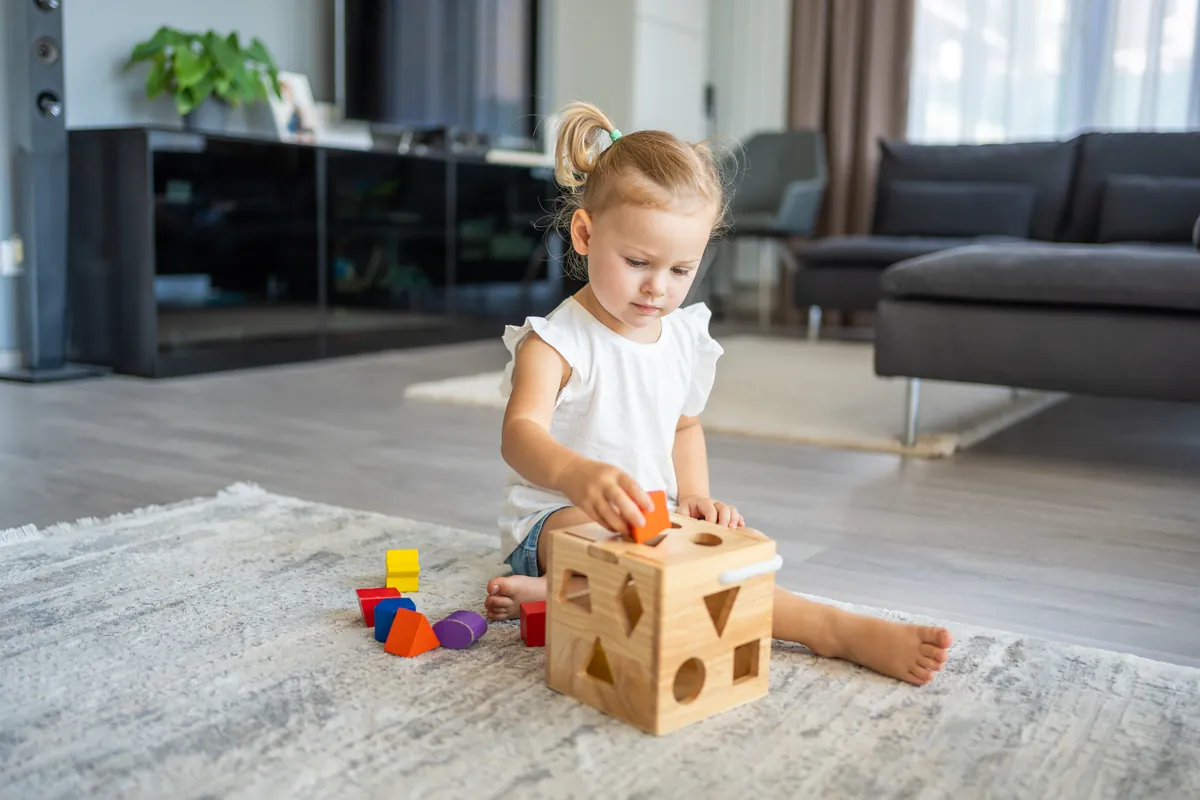
Developing visual recognition: shapes and colors
Visual object recognition is a complex mechanism that depends on a multitude of other cognitive processes. Between 2 and 3 years of age, children start…
 Cognitive
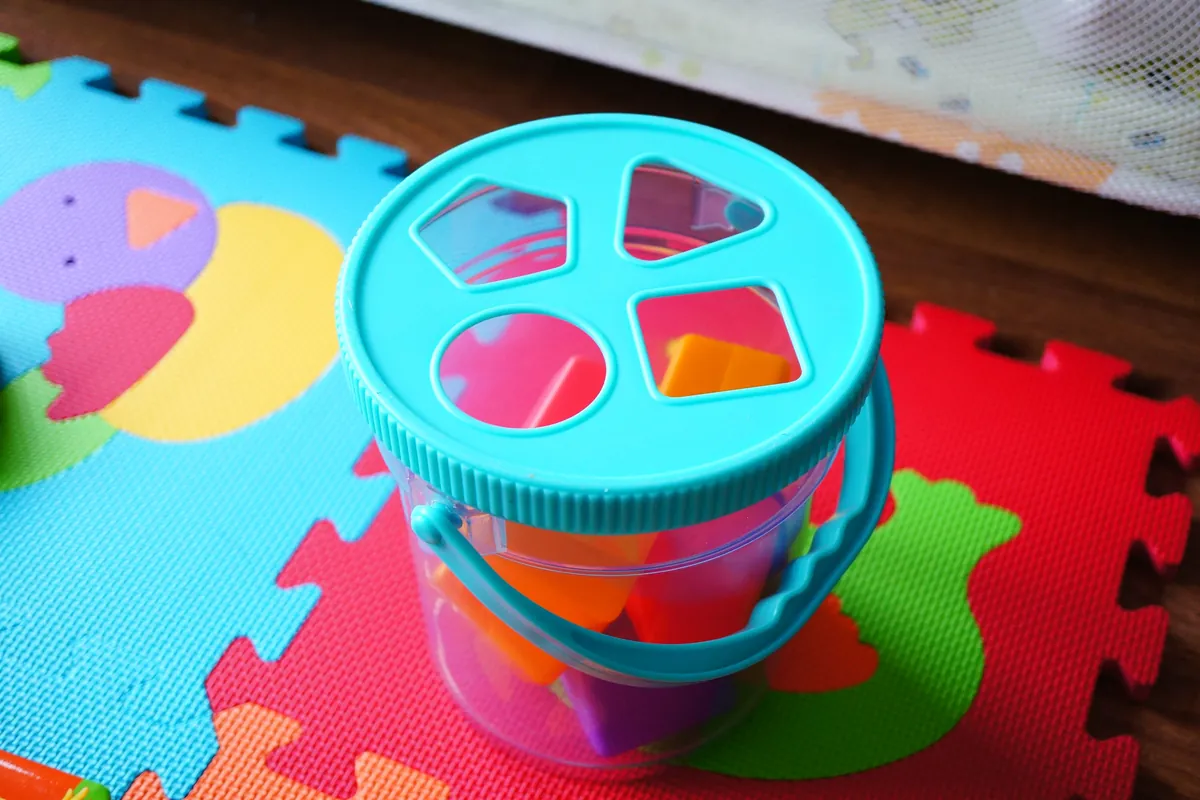
Colors and shapes build my child’s cognitive skills
The American Academy of Pediatrics suggests that children between 2 and 3 years of age learn to discriminate colors and shapes from an object's whole array…
 Cognitive
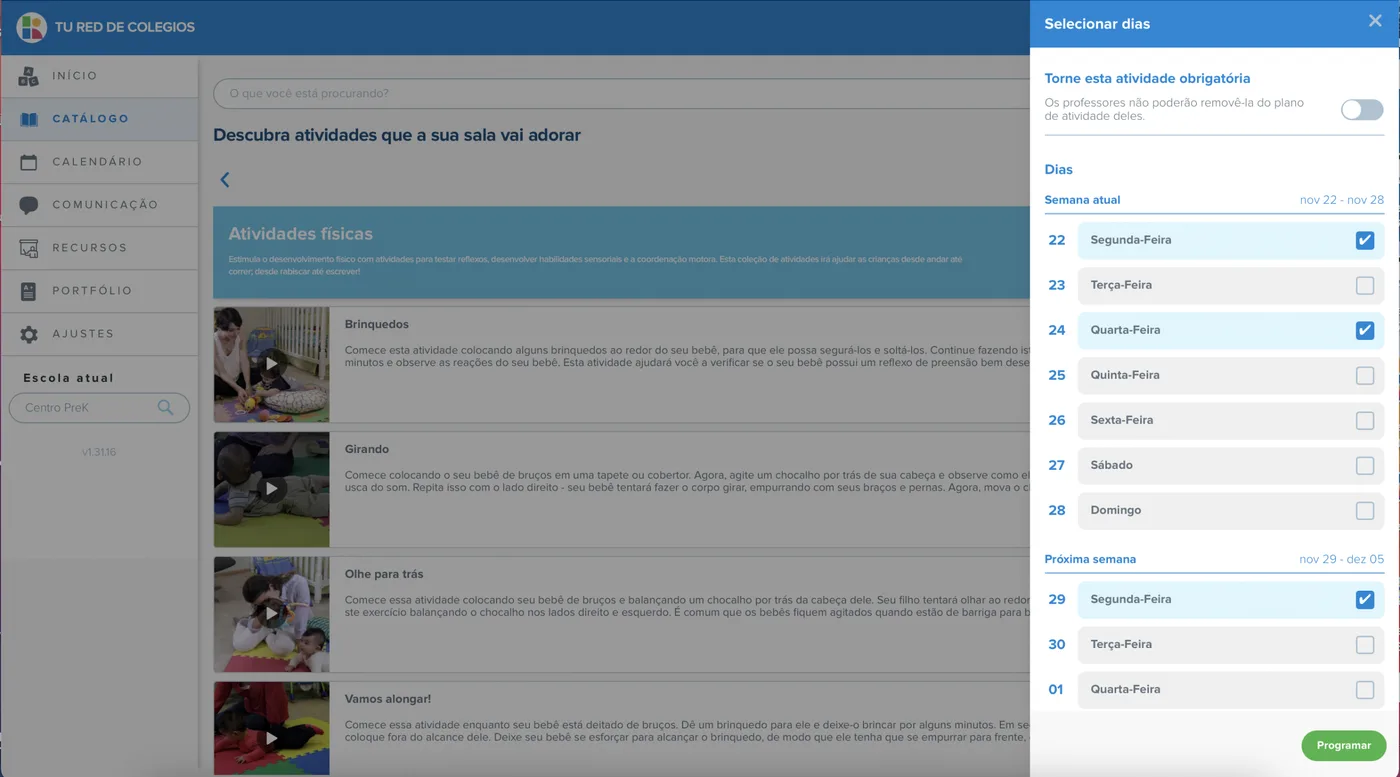
How to practice shapes and colors skills at home
The ability to notice and identify colors and shapes is important for describing the world around us. Engaging in games and activities that encourage…
 Cognitive
Ideas and games that foster and nurture my child’s imagination
The article provides ideas for parents to set up imaginative play scenarios for their children. The activities include pretending to go on a safari, sailing…
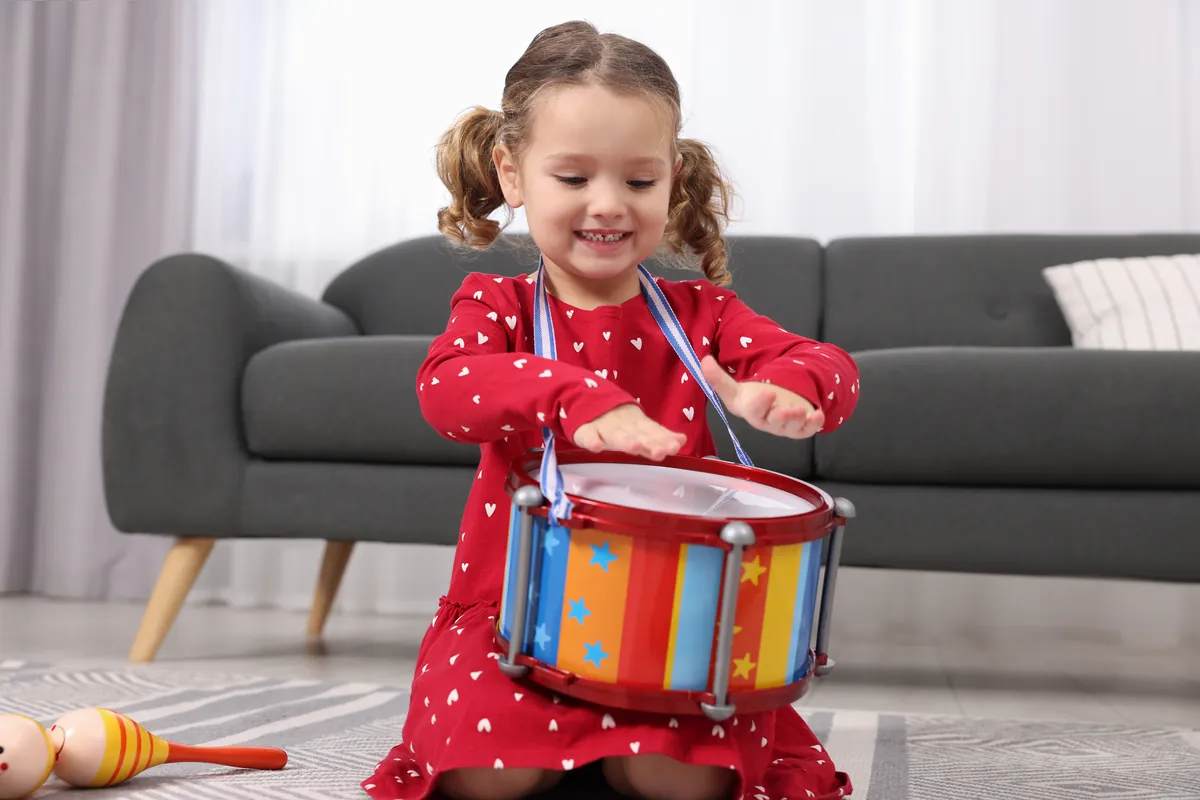 Cognitive
The impact of musical skills on early childhood development
Professor Susan Hallam's research underscores the importance of musical skills in childhood and beyond through "transfer of learning." "Transfer of learning"…
 Cognitive
Boosting your child’s musical skills: why and how
The "Mozart effect" oversimplified music's impact on intelligence, but music remains valuable for child development. French research links preschoolers'…