Key points:
1. Babies don’t need shoes while learning to walk.
2. Walking barefoot indoors is beneficial for muscle strength and coordination.
3. Babies’ feet development is normal; shoes aren’t necessary.
4. If necessary, choose shoes with certain features in cold environments.
If your baby is starting to walk, or shows signs that they are about to take their first steps, you might be wondering if they need baby shoes.
Baby shoes, yey or nay?
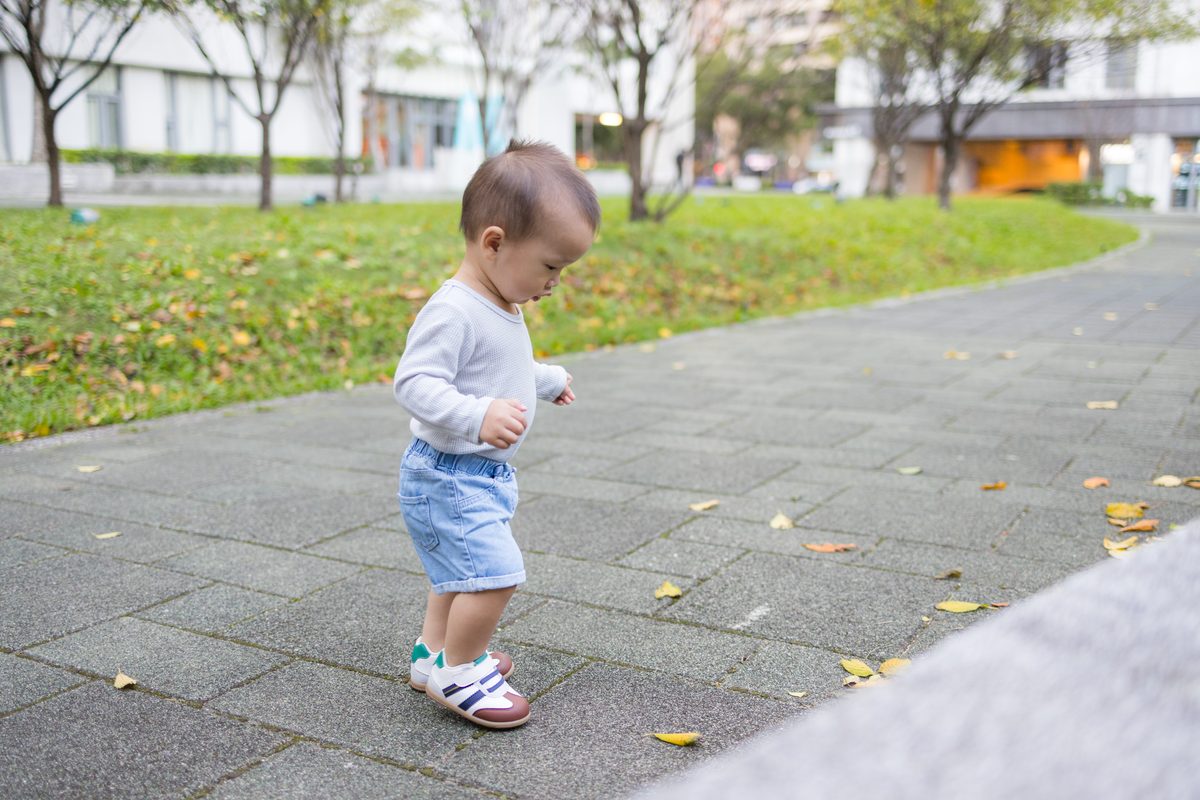
Do not worry, during this stage, your little one doesn’t need to wear shoes. Of course, you can choose to put shoes on them because they look cute, to keep their feet warm, or to protect them from rough or dangerous surfaces. But shoes are not necessary to learn to walk or to strengthen their feet.
When children learn to walk indoors on flat, safe surfaces, they don’t need shoes; in fact, it is beneficial for your baby to learn to walk barefoot. Walking this way helps them strengthen their muscles and lets them move their toes freely. Allowing them to feel the ground and be shoeless can help them develop their balance, strength, and coordination.
Although it might seem that they don’t have enough support or that their feet are flat, this is completely normal at their age. In the end, wearing baby shoes won’t help your child walk better, so it is not necessary to put them on sooner. But, as we mentioned, if your child walks outside or if you want to, you can put on their shoes to protect their feet or keep them warm.
What if they can’t be barefoot?
If you live in a cold environment and you want to protect your child from cold surfaces, buy shoes that meet the following criteria:
- Don’t have cushioned insoles.
- Have a wide, round end that leaves enough space for their toes to move.
- The inner lining has no seams and allows perspiration.
- They have flexible, non-slip soles.
- They hold the foot but not too tightly.