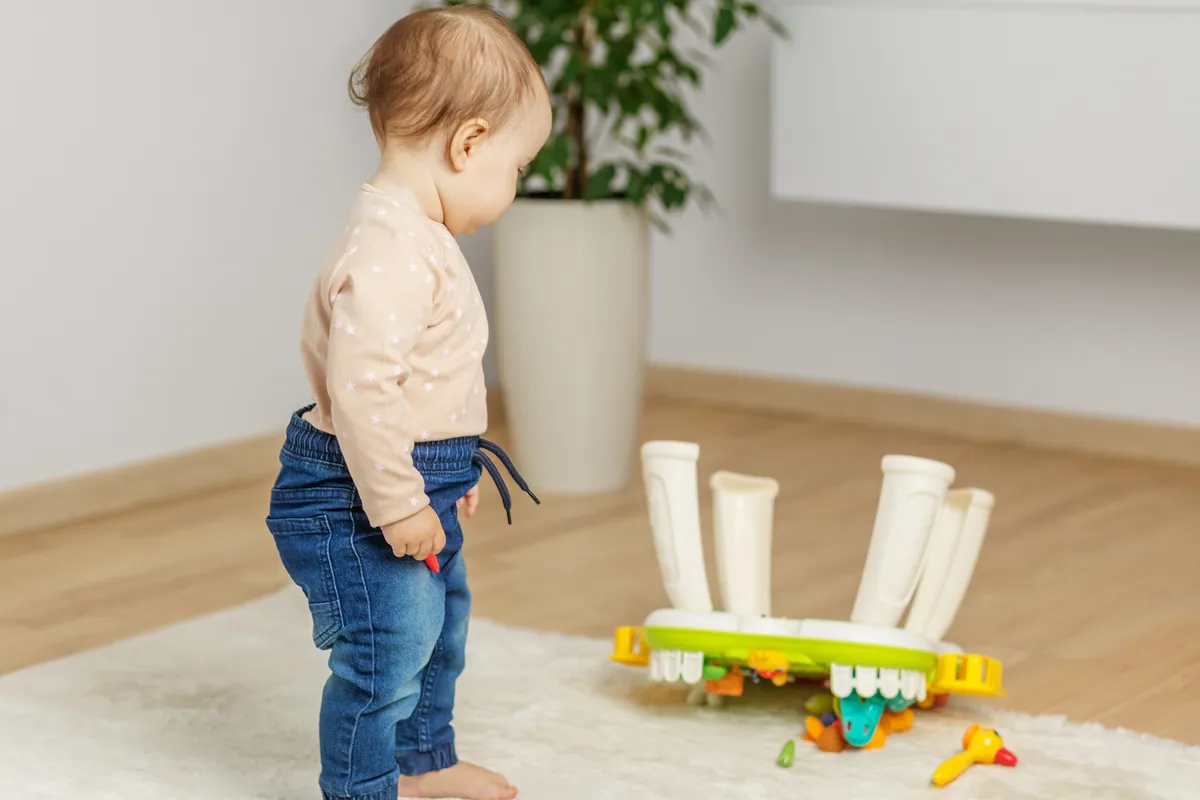
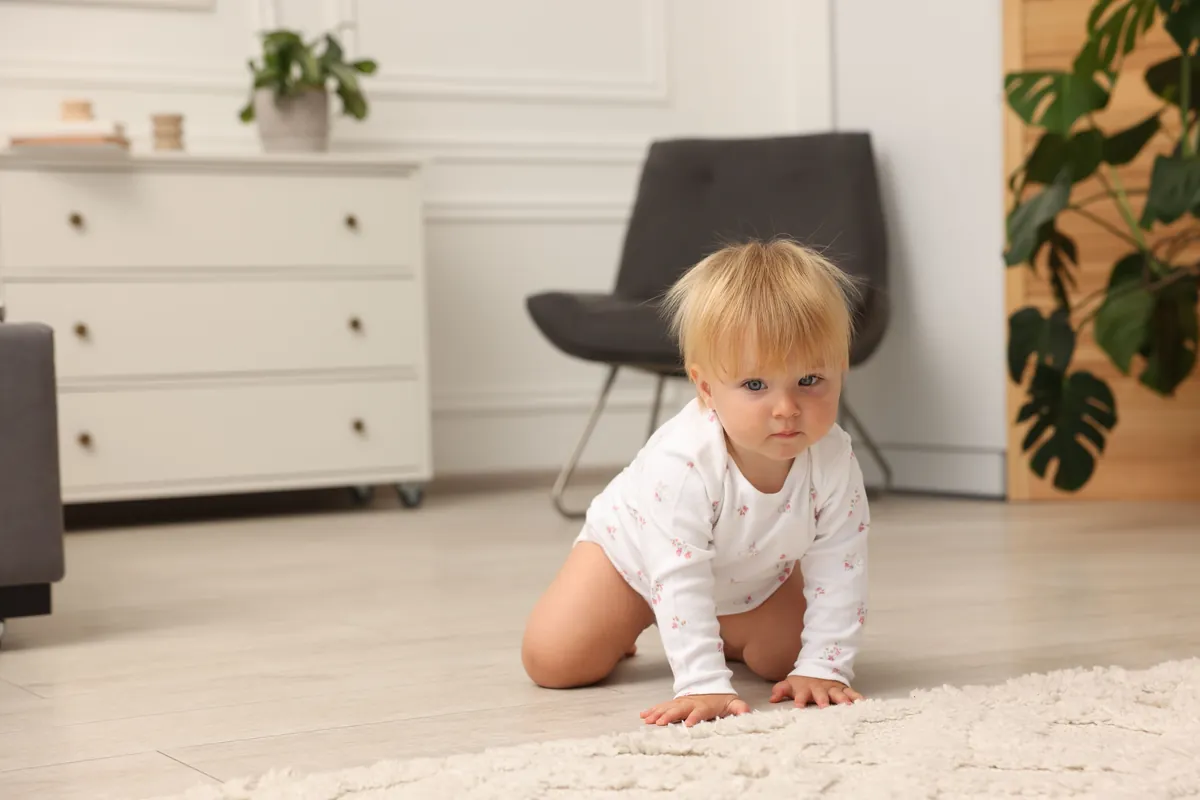
Baby on the move: Different crawling styles
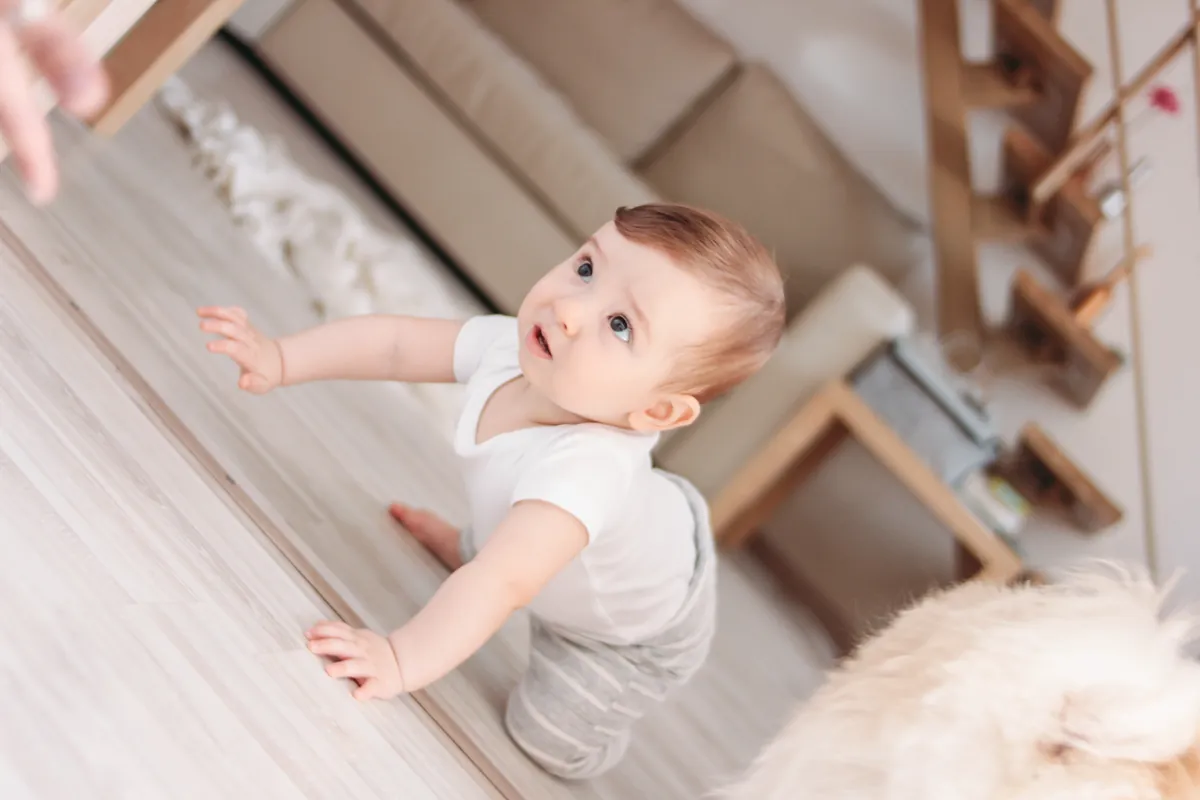
Babies can crawl in various styles, not just hands-and-knees. Key is the desire to move and explore. Styles: classic, bear, belly, bottom scooter, crab, rolling crawl.
Key points:
- Babies can crawl in various styles, not just hands-and-knees.
- Key is the desire to move and explore.
- Styles: classic, bear, belly, bottom scooter, crab, rolling crawl.
- Atypical crawling isn’t concerning, but asymmetry might warrant evaluation.
Is your baby ready for crawling? Around 7-9 months most babies master the hand-and-knee crawling method, but others develop alternative styles of crawling that work so well for them that they never progress to the traditional hand-and-knee crawling. Here are some types of crawling styles your baby can adopt.
Different crawling styles
Not all babies crawl in the traditional way –alternating hands and knees–, some babies use their belly to move, others scoot on their bottoms using their hands to propel themselves forward, and some babies use one leg down in a crawling position and extend the other on the floor to move forward. So, as long as the crawling method coordinates the movements of each side of the body and your little one uses their arms and legs equally, you don’t have to worry about it. No matter what method your baby adopts, remember that the important thing is that they are showing a desire to move independently and explore their surroundings.
These are the different styles of crawling according to the AAP (American Academy of Pediatrics):
-
Classic hands-and-knees or cross crawl
Your baby distributes their weight on their hands and knees, then moves one arm and the opposite knee forward at the same time. This is the most common type of crawling.
-
Bear crawl
It looks like the classic crawl, but your baby keeps their elbows and knees straight, walking on hands and feet like a bear.
-
Belly or commando crawl
Your baby moves their body forward with their arms while dragging their belly on the floor. This can be an efficient way of moving around, but it will definitely result in dirty clothes!
-
Bottom scooter
Your baby scoots around on their bottom using their arms to move themselves forward. This type of crawling will never be as fast as the classic hands-and-knees crawl, but it gets the job done. Often, bottom scooters are babies who have also really resisted tummy time.
-
Crab crawl
Your baby will move backward or sideways like a crab, propelling themselves with their hands. This type of crawling usually occurs when your baby is just learning how to crawl. This phase usually doesn’t last longer than a week or two.
-
Rolling crawl
Your baby gets to their destination by rolling from one place to another. While this is not strictly crawling at all, some babies become so efficient at rolling that they never really develop the crawling stance, because they simply roll over and over until they get to their destination.
Take into consideration that atypical crawling patterns do not necessarily indicate a problem, but asymmetry in crawling can be a red flag. So, if you have concerns about the way your baby is crawling, talk with your pediatrician or have your baby evaluated by a pediatric physical therapist.
Keep in mind that there are some babies who don’t crawl, and go directly to standing, so, if you notice your little one doesn’t crawl but has developed other milestones like rolling over, you can be calm. And, remember, each baby develops at their own pace and for some, it may take more time to crawl than others.